
On 6 June 2026, the day after World Environment Day, Jagonews24 published the views of students from four Bangladeshi universities on the environment. Gathered by Shamim Reza, a student at Gono University, the comments came from students of Dhaka University, Gono University, Jagannath University and Sylhet Agricultural University, and covered tree planting, biodiversity conservation and the part schools and campuses can play. The piece opened with the argument that the crisis facing nature belongs not to one group or country but to all humanity, and that a liveable world needs a pollution-free environment.
World Environment Day 2026
According to the UN Environment Programme (UNEP), World Environment Day has been held every year since 1973, and more than 150 countries take part each year. UNEP announced in June 2024 that Azerbaijan would host the 5 June 2026 edition and that the day would focus on climate change.
Bangla Tribune reported on 5 June that Bangladesh marked the day with a range of programmes under the theme "Climate change: today's action, tomorrow's security". Citing environmentalists, the paper said rising sea levels, salinity, river erosion, floods and droughts were harming the country's environment, farming and daily life. Organisations held discussions, rallies and tree-planting drives for the day.
A world for the next generation
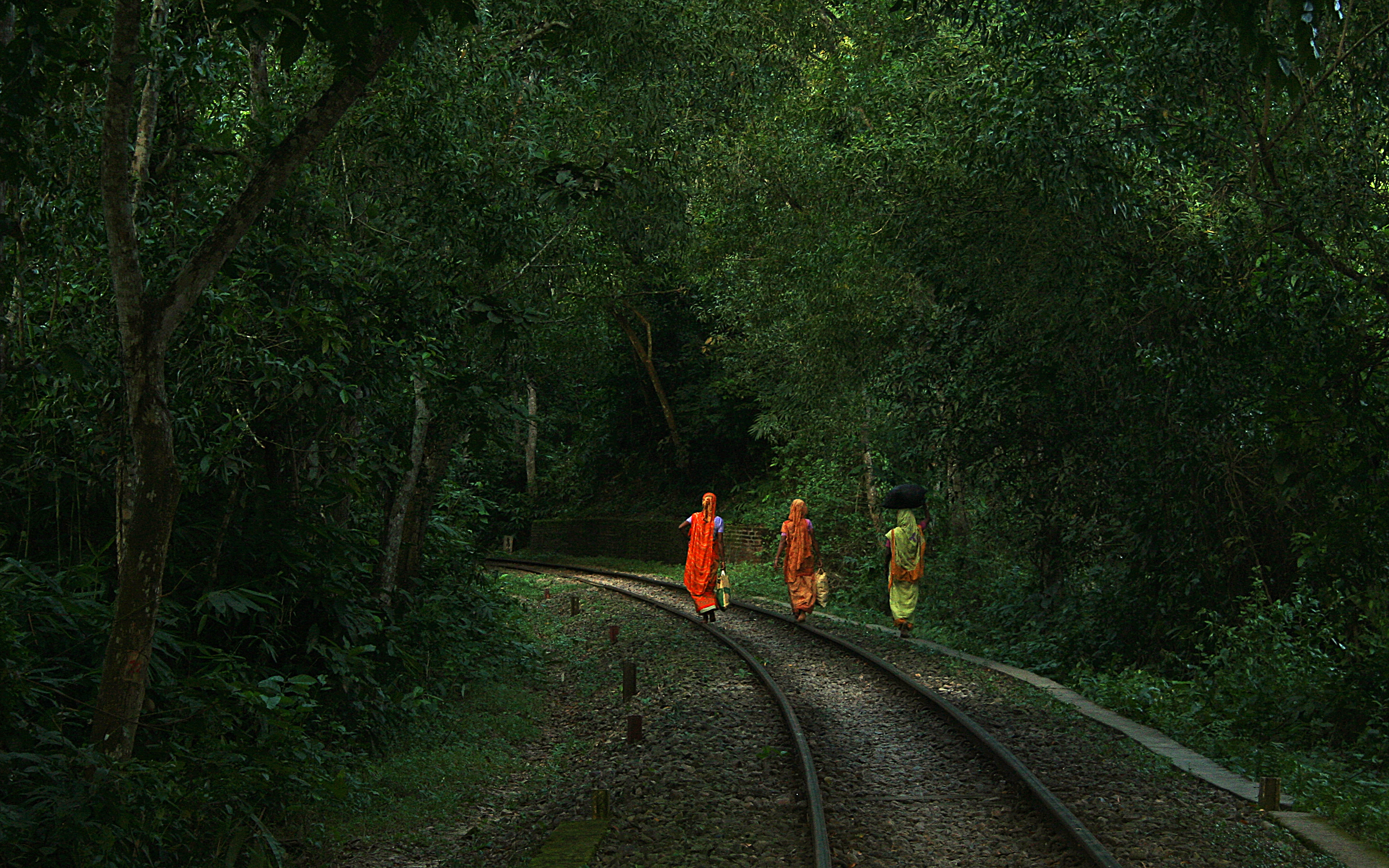
Nafisa Zaman Boni, a student in the Department of Zoology at Dhaka University, said: "Future generations will not remember us for how fast we developed. They will remember what kind of world we left them on the road to development." The earth, she argued, does not ask for perfect solutions, only that people remember every decision echoes in some future river, forest or child's life.
Why trees and biodiversity matter
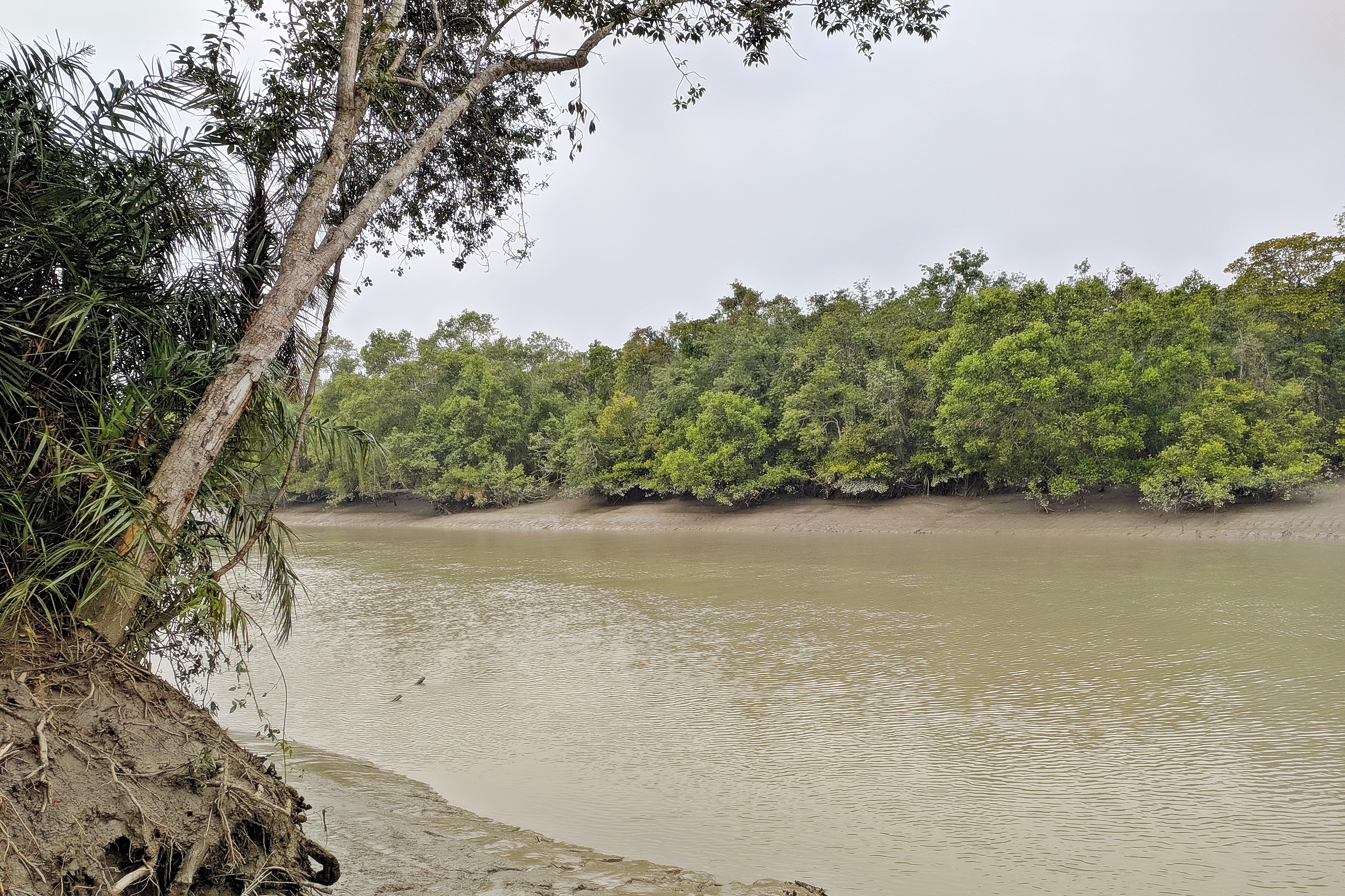
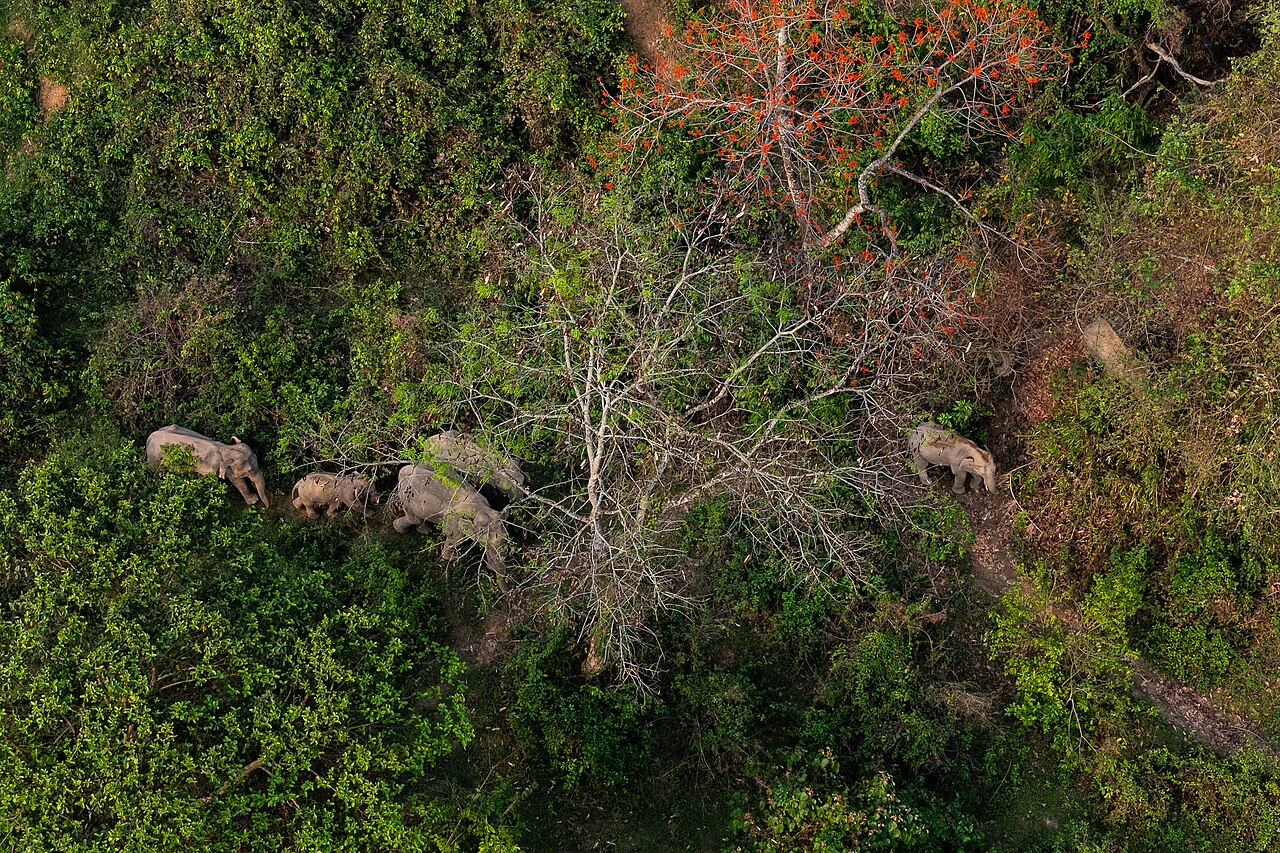
Jyotirmoy Kundu of the Faculty of Veterinary and Animal Sciences at Gono University said trees absorb carbon dioxide from the atmosphere and supply oxygen, which reduces greenhouse gases and helps control global warming. Trees, he said, also stop soil erosion, help regulate temperature and lessen the impact of natural disasters.
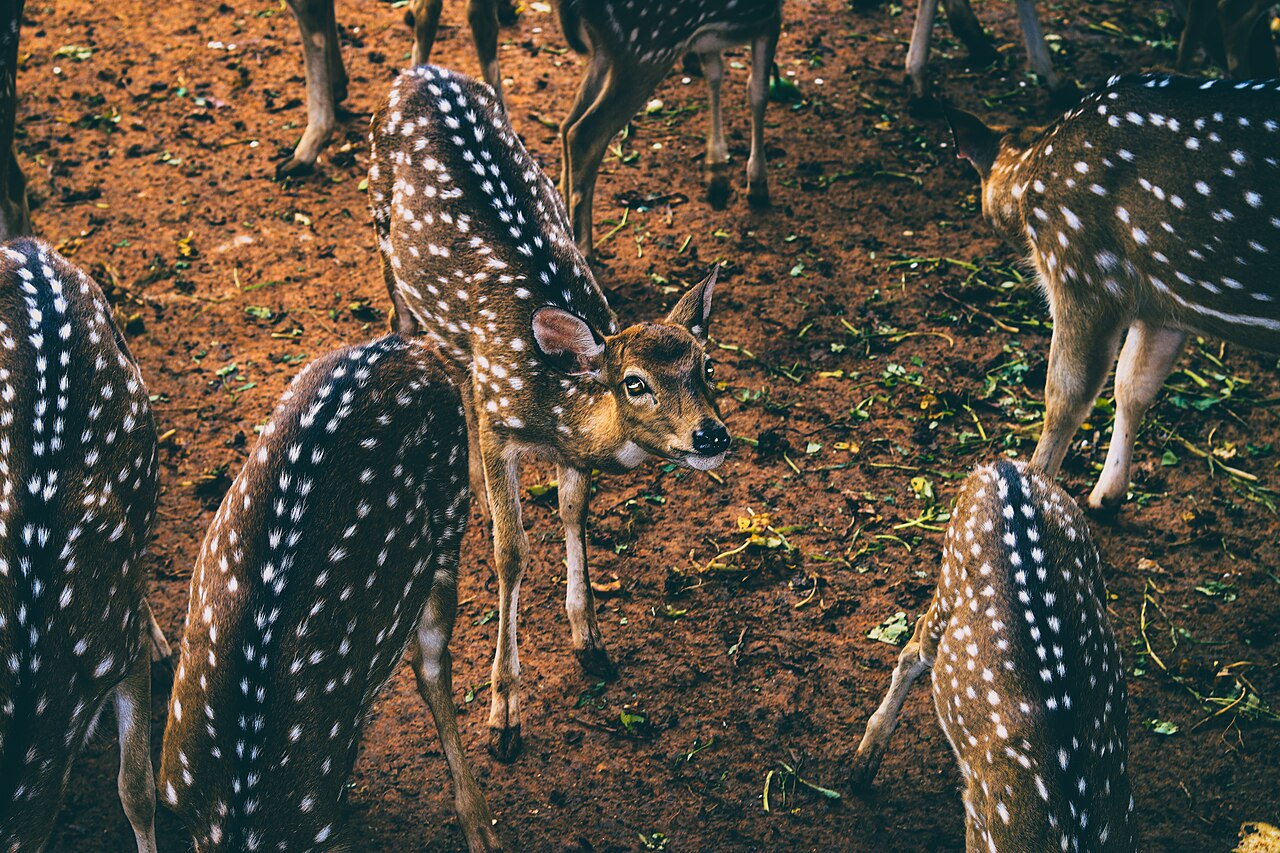
On biodiversity, he said the variety of plant and animal species keeps ecosystems in balance, supports food security and strengthens the ability to cope with climate change. "So tree planting and biodiversity conservation are vitally important for a sustainable, climate-resilient future," he said.
The role of campuses and individuals
Nazeat Akter of the Department of Sociology at Jagannath University said the biggest contribution educational institutions can make is building awareness. Tree-planting programmes, clean-up drives and environmental seminars give students hands-on experience, she said. Using less plastic, installing enough dustbins and separating waste can cut pollution, while campaigns against wasting electricity and water, solar power and green campuses are further steps. When teachers and students work together, she said, large positive changes are possible.
Md Sidratul Muntaha of the Faculty of Agricultural Economics and Business Studies at Sylhet Agricultural University said: "The environment is not just our surroundings; it is the breath of our future." Cutting a tree, he said, means losing a piece of life, and rivers, soil and air are worn down by human carelessness. Yet small acts, such as planting a tree, using less plastic or caring for nature, can start big changes, and he urged everyone to treat building a green world as a shared duty.
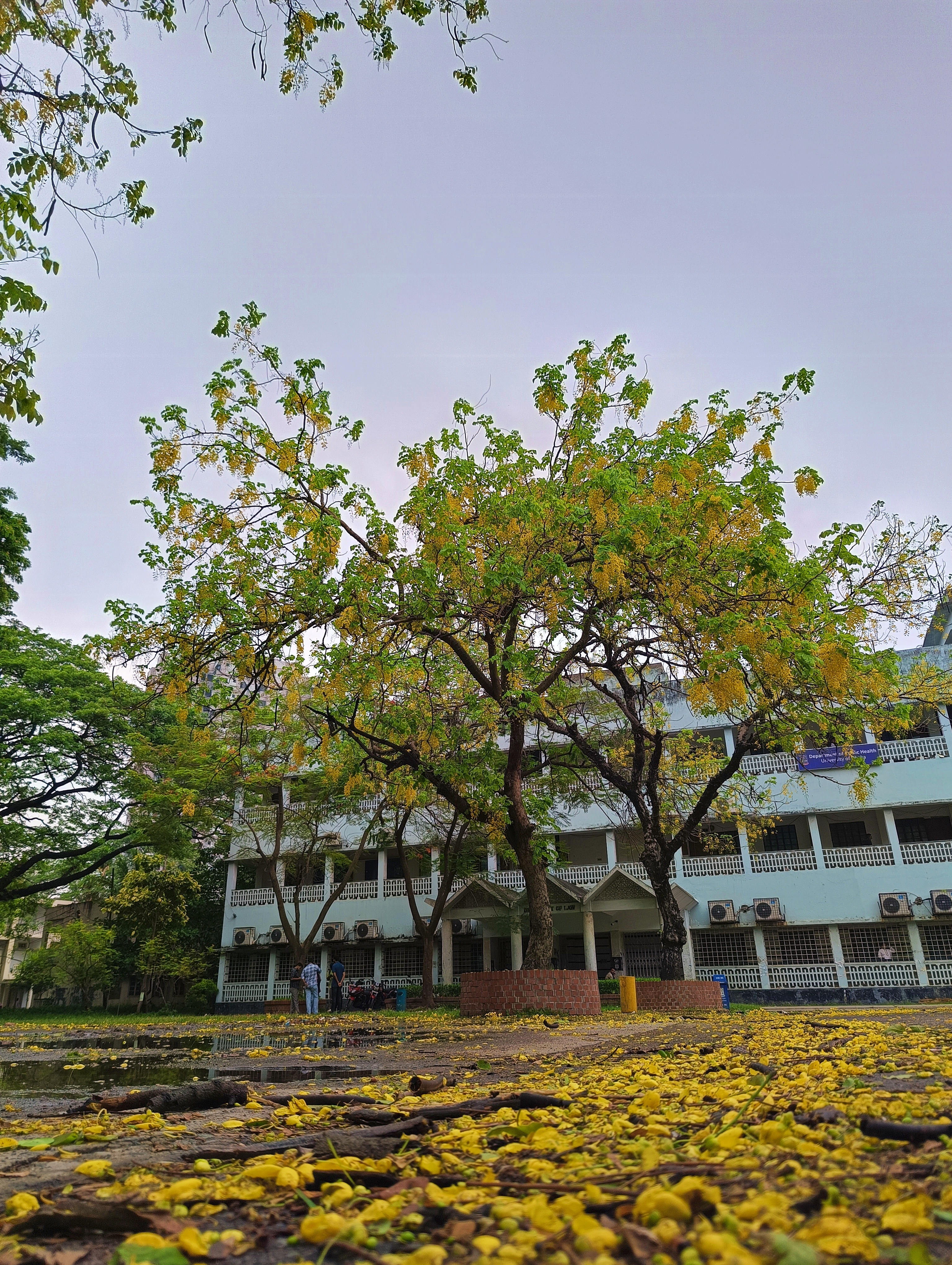
Photo: Nasir Khan Saikat / Wikimedia Commons (CC BY-SA 3.0)
Sources: Jagonews24, UN Environment Programme (UNEP), Bangla Tribune

Comments
(0)