
A strong El Nino is disrupting weather around the world, bringing heavy rain and floods to some regions and drought to others, and raising concern for farm output and food security, Ittefaq's digital desk reports. The European Union's climate monitoring service Copernicus said on 10 November that October had again been unusually warm worldwide, with land and sea-surface temperatures setting new records.
Copernicus said 2026 could be the second-warmest year on record, with a 20 percent chance of matching or exceeding 2024. Samantha Burgess, strategic lead for climate at the European Centre for Medium-Range Weather Forecasts (ECMWF), said a very strong El Nino was adding heat to a climate already warmed by human activity. An AFP analysis found that 33 countries set temperature records in October alone.
El Nino is a natural climate pattern in which sea-surface temperatures in the tropical Pacific rise above normal, shifting rainfall and temperature patterns across many regions. Peru has declared a state of emergency over wide areas, with its authorities warning that more than 9 million people, about a third of the population, face a high risk of floods and landslides. Bolivia has also declared a national emergency.
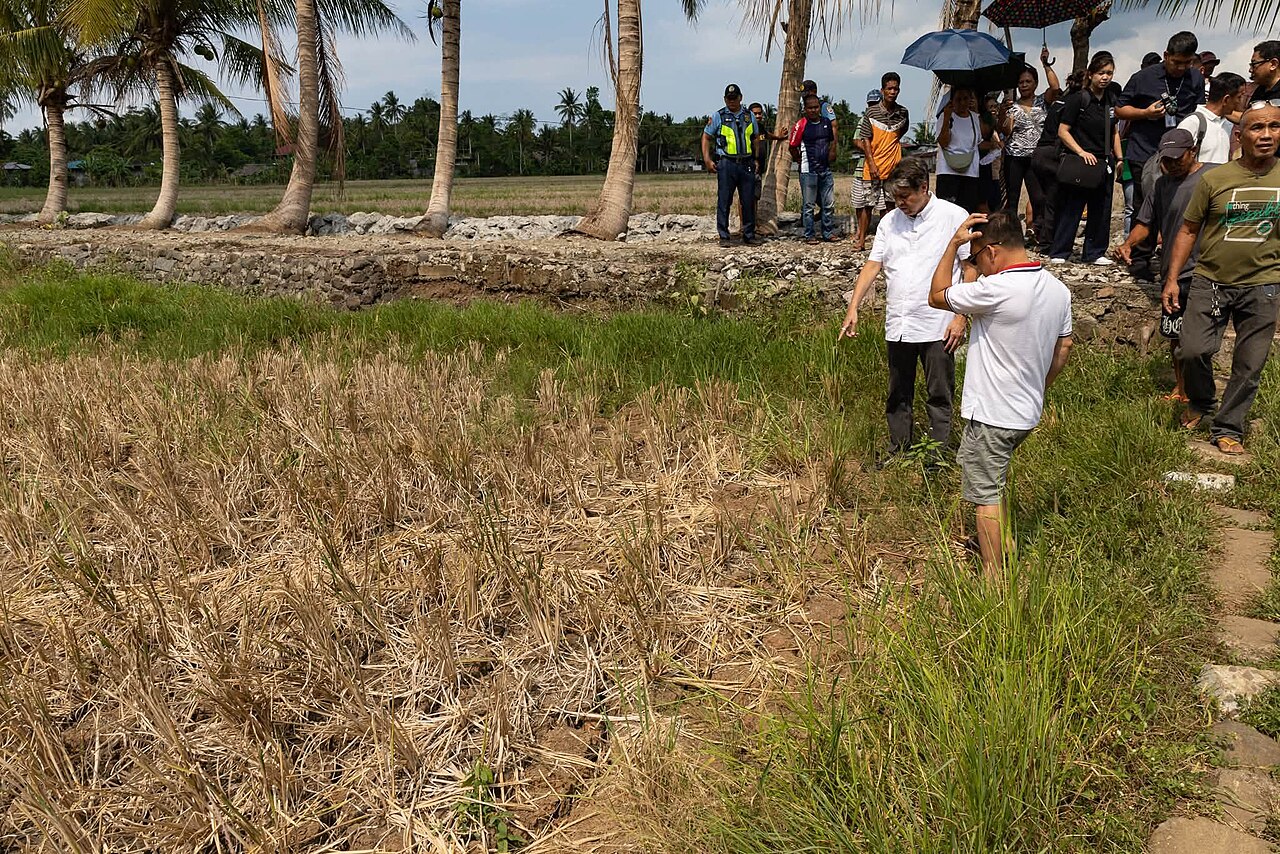
The heaviest farm news comes from the Philippines. Its Department of Agriculture said the combined effect of El Nino and higher fuel and fertiliser prices caused by the Iran war cut rice production by 18 percent in the three months to September compared with a year earlier. The government has announced more than 980 million dollars to reduce climate risks to agriculture, a sector that provides about 8 percent of GDP and employs one in four workers.
Parts of Asia also face the risk of drought. Sri Lankan officials warned that a severe drought in the first half of 2027 would force the country to rely more on costly thermal power in place of hydropower; renewable sources now meet about 70 percent of its electricity demand.
Maximo Torero, chief economist of the UN Food and Agriculture Organization (FAO), said El Nino could hit markets before crops are harvested, because the fear of future shortages itself moves prices. Poor households spend a large share of their income on food, he warned, so even a small price rise can have serious consequences for them. In September FAO appealed for 202 million dollars for early action in 22 countries at risk of El Nino-driven food crises, but has received only a fifth of it so far.
Experts explain that floods destroy fields and stored grain and break transport and supply chains, while drought cuts crop and fodder yields; either way supply shrinks and prices rise. Scientists are also watching an early and unusual disruption of the polar vortex in the northern hemisphere that could bring severe cold waves; it is only the third such November disruption since records began in the 1950s.
Photo: Senator Kiko Pangilinan / Wikimedia Commons (public domain)
Source: Ittefaq


Comments
(0)