
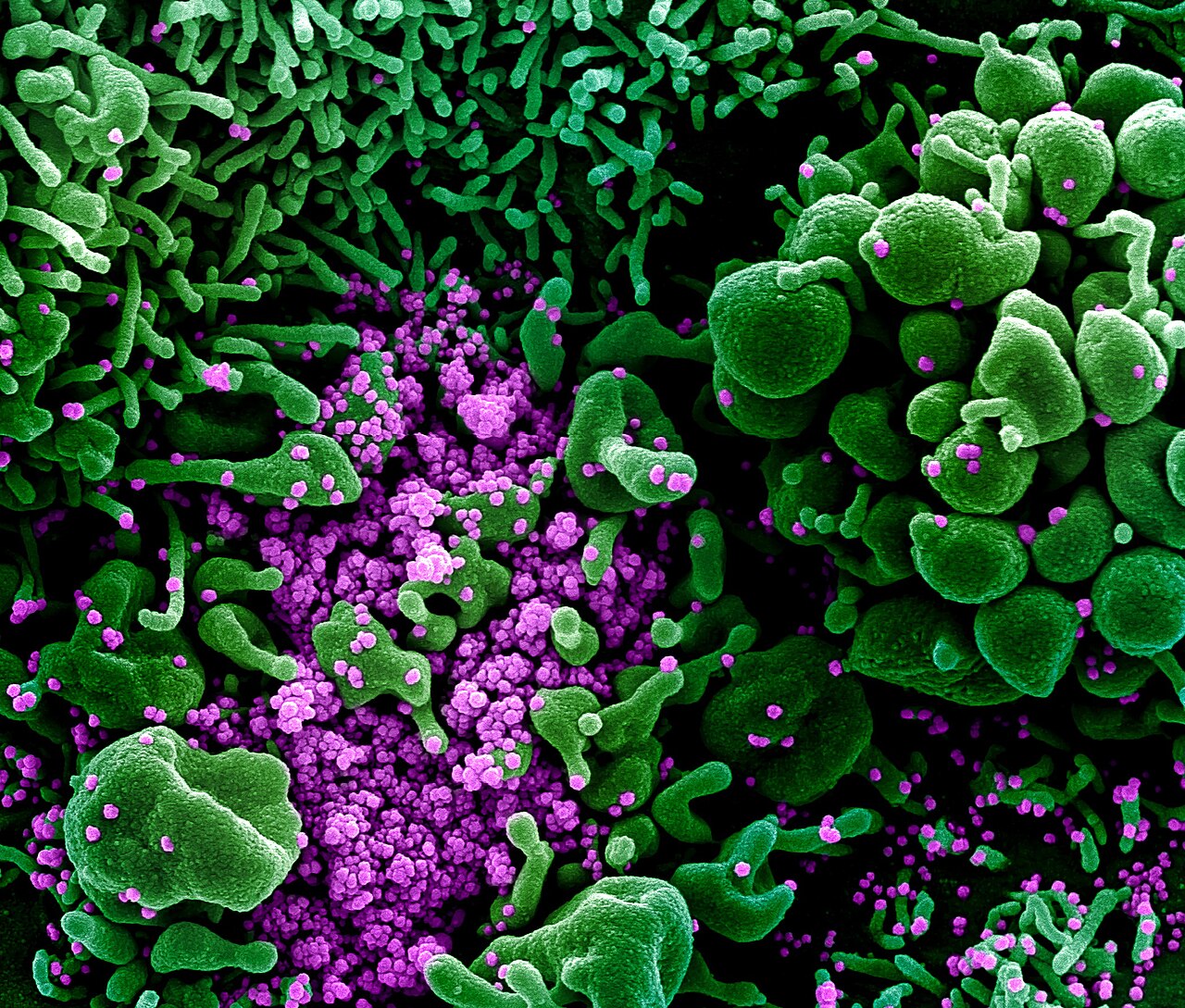
A new coronavirus variant called PJ.2.1 is spreading around the world and making up a growing share of infections. News Bangla 24, citing a 10 November report in the UAE paper The National, says doctors have so far found no evidence that it is more deadly than other recent variants. The virus remains dangerous, however, for older people, those with weak immunity and others at physical risk.
According to the report, about 780 million infections and 7 million deaths have been recorded worldwide, but new infections have fallen sharply. In the 28 days to 18 October, 56,471 new cases were confirmed worldwide, more than 35,000 fewer than the month before.
The variant was first detected in Ontario, Canada, in early May, reached New York in late June and then spread to other US states. It has also been found in Australia, Singapore and Spain. A study by Chinese scientists published in September described its rapid intercontinental spread and found that it can bind more effectively than other variants to the ACE2 receptor, the route by which the virus enters human cells; scientists think this may help explain how fast it is spreading.
The World Health Organization says PJ.2.1's symptoms, like those of earlier variants, resemble a common cold or influenza. Professor Elena Malinnikova of the Russian Medical Academy of Continuing Professional Education has said it may cause a more severe sore throat and lasting fatigue than other variants.
Ashar Jamal, a doctor in the UAE, advised caution rather than panic: new variants will keep coming, he said, but there is no credible evidence that recent ones are increasing severe illness, hospital admissions or deaths, and most patients have mild symptoms. Professor Paul Hunter, an infectious disease specialist at the University of East Anglia in the UK, also said PJ.2.1's share was rising but there was no evidence it caused more severe illness, though its future course cannot be predicted with certainty.
Professor Eskild Petersen of Roskilde University in Denmark said vaccination had given most people good protection, that the new variant is likely to be picked up by rapid test kits, and that immunity works across variants to some extent.
Experts also point to long-term risks. Ali Alessandro Ayach, a UAE-based healthcare consultant, said some patients still have lasting symptoms after vaccination, adding to the burden on health services. Health systems, he said, must be prepared so that care for diabetes, heart disease and cancer is not disrupted when infectious disease surges.
Photo: NIAID / Wikimedia Commons (CC BY 2.0)
Source: News Bangla 24


Comments
(0)