
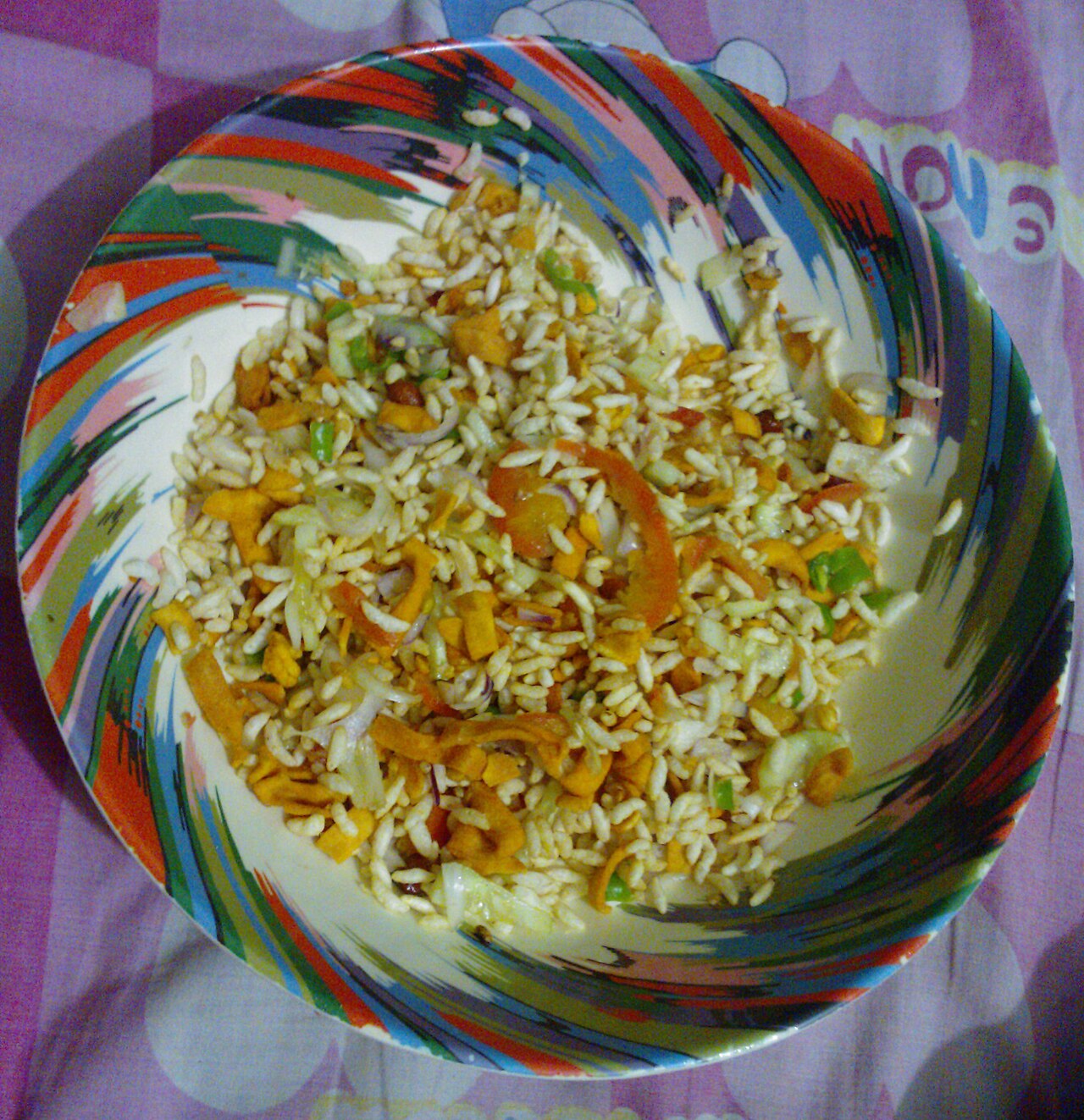
Roadside stalls often hand out jhalmuri, chickpeas, piyaju, beguni, shingara, puri, jilapi or spiced hog plum and guava in paper cones or on newspaper, and paper is used to soak up extra oil. Dr Hasan Mostafa Rashed, assistant professor of medicine at the Government Employees Hospital, spoke to RTV Online about the health risks.
Besides being unhygienic, such paper carries ink that rubs off with handling, he said, and when paper gets wet with water or oil its ink components pass easily into the food. The risk is highest with hot, oily or moist food such as shingara, samosa, paratha, cucumber, hog plum or pickles.
According to Dr Rashed, printing ink can contain chemicals such as naphthylamine used as pigments, preservatives and solvents, as well as heavy metals. Taken in over a long time, he believes, they can raise the risk of cancer, kidney and liver inflammation, hormonal imbalance and fertility problems. Germs on old paper can also cause stomach illness.
People who regularly eat from paper packets over long periods are most at risk, the doctor said.
He is not calling for an end to paper, which is environmentally friendly. His advice is not to use paper whose food-safety grade is not assured; tissue paper, paper towels or clean white paper can be used, though not coloured tissue. Newspaper and handwritten or printed paper should never touch food. If customers refuse such paper, he said, vendors will use less of it.
The report is by RTV Online.
Photo: NahidSultan / Wikimedia Commons (CC BY-SA 4.0)
Source: RTV Online
Comments
(0)