
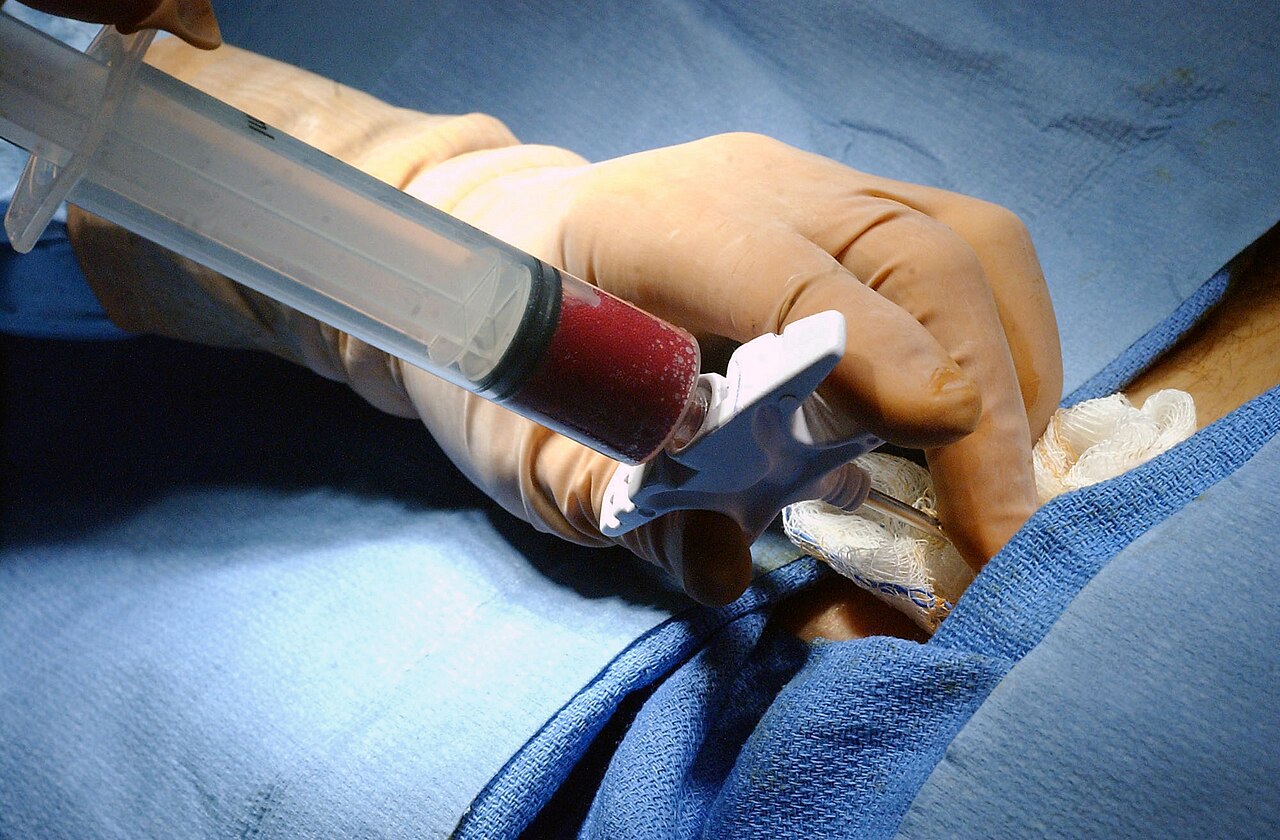
Stem cell research is moving medicine towards repairing or replacing damaged cells, not merely controlling disease with drugs. But an article on Daily Bangladesh's health page stresses that, for all the research, not every use of stem cells is an established treatment.
Stem cells can multiply and, under certain conditions, become different kinds of mature cells, which makes them a foundation of regenerative medicine. Important sources are bone marrow and blood, umbilical cord blood and, in research, embryonic stem cells and induced pluripotent stem cells (iPSCs). Organs such as skin, gut and hair follicles have their own tissue-specific cells, but the presence of stem cells in an organ does not mean its diseases can now be treated with them.
The most successful and longest-standing use is haematopoietic (blood-forming) stem cell transplantation, which can be life-saving for suitable patients with leukaemia, lymphoma, aplastic anaemia and some severe blood and immune disorders.
Cell and gene therapy has pushed the field further. Casgevy (exagamglogene autotemcel) takes a patient's own blood-forming stem cells, edits a specific gene and returns them to the body; it is approved for sickle cell disease and transfusion-dependent beta-thalassaemia, making it a gene-edited, stem cell-based therapy.
In the eye, limbal stem cell deficiency can be treated by growing a patient's own cells from the limbus in the laboratory to rebuild the surface of the cornea; in the European Union, Holoclar is approved for certain moderate to severe cases after chemical or physical burns. Cell-based therapy has also advanced in severe burns, though the article cautions that talk of 'growing new skin from stem cells' is often exaggerated.
This report is based on an article on Daily Bangladesh's health page.
Photo: Chad McNeeley, U.S. Navy / Wikimedia Commons (public domain)
Source: Daily Bangladesh


Comments
(0)