
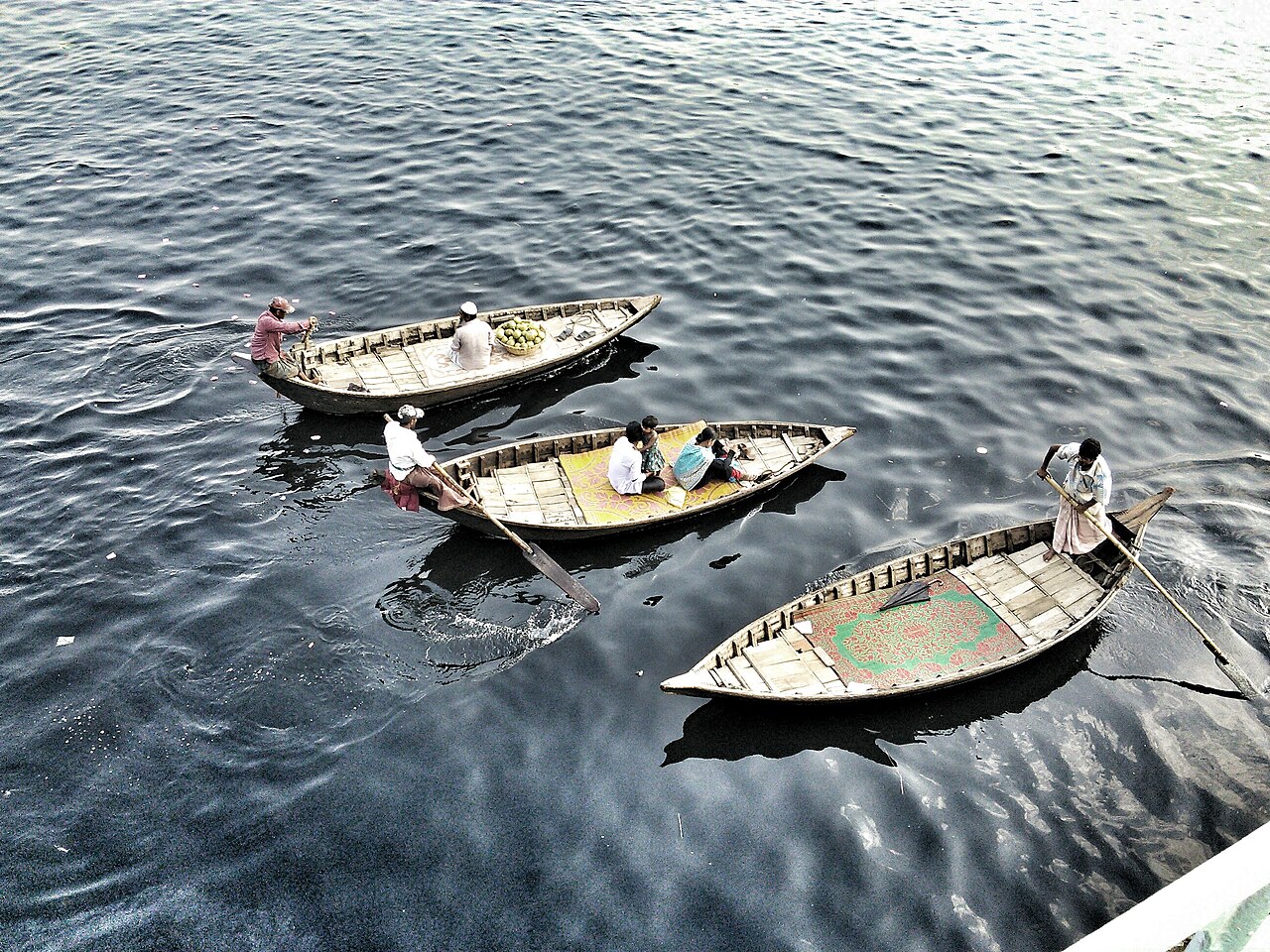
Plastic has been building up for years in the water and bed of the Buriganga, polluting fish and the aquatic environment and sending tiny particles into the food chain, a special report in Dainik Bangla says. Bottles and packets thrown into the river end up, in the end, on people's plates.
Dr Ahmed Kamruzzaman Majumder, dean of science at Stamford University, said plastic has been found 15 feet down in the Buriganga's bed; labels on some items showed they were dumped 15 to 17 years ago, yet they looked almost new. His team's research began in 2023 and is continuing. PET plastic used in bottles and food packaging can take an estimated 450 years to break down, shedding microplastics along the way.
Waste is growing with production. Invest Bangladesh data show more than 6,000 plastic factories employing about 1.5 million people, with growth of about 20 per cent. A 2022 ESDO study found Bangladesh produces about 3,000 tonnes of plastic waste a day, and Dhaka throws away about 1.4 million single-use polythene bags daily. The World Bank put annual plastic waste at about 977,000 tonnes in 2020, with only 37 per cent recycled in Dhaka.
A 2025 study found significantly more microplastics in fish from the Buriganga than in fish from the Bay of Bengal, and a 2023 study found microplastics in the river's fish, crabs and sediment along with heavy metals such as chromium, lead, arsenic and cadmium. Dr Shafi Mohammad Tareq of Jahangirnagar University's environmental science department said microplastics are being found in fish, salt, cooking oil and sugar. Research on long-term effects on human health is continuing, but studies have raised concerns about possible risks to reproduction, digestion and breathing.
The pollution reaches the Sundarbans too: a 2025 study found an average of 23.25 microplastic particles per litre of water there, mostly PET. Bangladesh has 1,415 rivers with a combined length of about 24,140 kilometres, according to 2025 Water Development Board data, and in the cities polythene and food packets clog drains and block the flow of rainwater.
This report is based on reporting by Dainik Bangla's special correspondent.
Photo: Sarah.1001022 / Wikimedia Commons (CC BY-SA 4.0)
Source: Dainik Bangla

Comments
(0)