
Researchers in China have shown that biochar made from the plant residue left over by traditional Chinese medicine processing can sharply reduce how much cadmium moves from polluted soil into food crops. The study, led by the Kunpeng Institute of Modern Agriculture at Foshan with City University of Hong Kong and Guangxi University, was published in the journal Carbon Research on 8 September and announced by the institutions on 9 November.
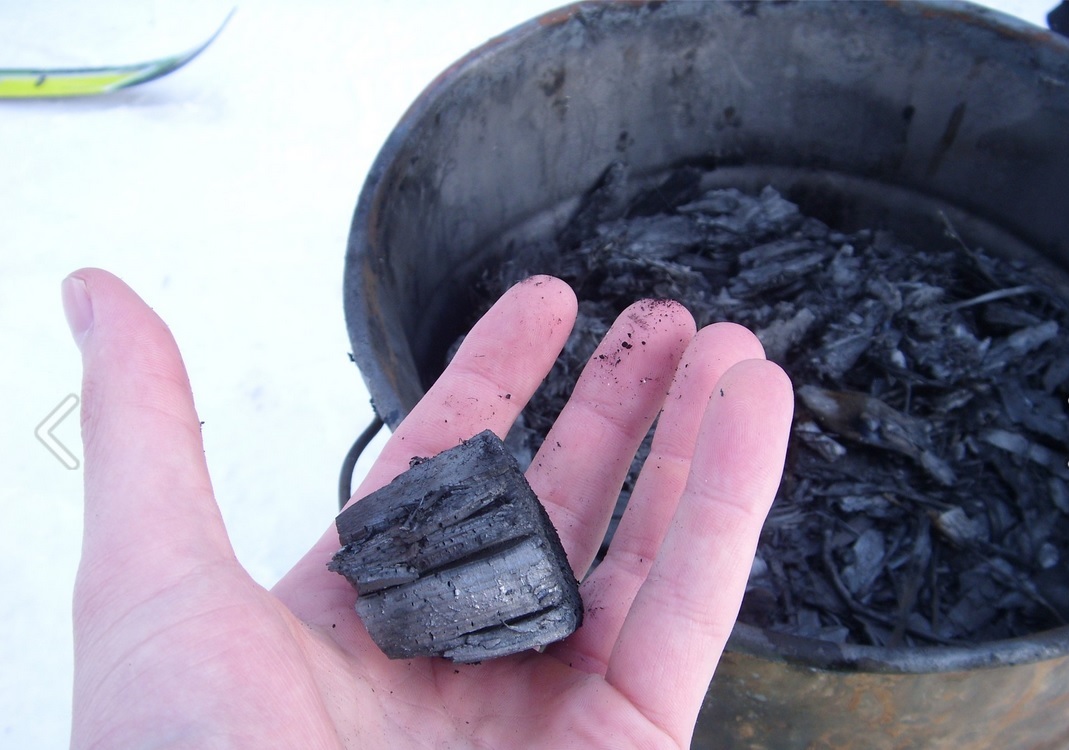
Cadmium pollution affects parts of China's farmland, often linked to industry, mining and long use of some fertilisers and irrigation water. Crops take the metal up readily, especially in acidic soils, and it can build up in edible parts. Biochar, a charcoal-like material made by heating organic matter with little oxygen, can bind heavy metals in soil.
The team, with first author Xiaochen Zhu and corresponding authors Carol Sze Ki Lin, Ziting Wang and Chong Li, first screened 3,339 papers published from 2001 to 2024 and analysed 134 studies covering 640 comparisons. On average, biochar cut the cadmium available to plants in soil by 37.9% and the cadmium in plant tissue by 41.1%.
They then made their own biochar from Houttuynia cordata, a herb widely used in Chinese medicine and discarded in bulk after processing. The best version, heated at 450 degrees Celsius for three and a half hours and mixed into soil at 2%, was tested in pots of acidic soil spiked with cadmium. In lettuce it cut cadmium in the plant by 52.3% and the available cadmium in the soil by 17.6%; in dandelion, plant cadmium fell by 42.9% to 68.6% depending on conditions.
Tests suggest the biochar works mainly by binding cadmium ions and pulling them out of the soil water that roots draw on. The appeal is practical: a waste that is often burned or landfilled becomes a soil treatment, giving farmers on polluted land an option far cheaper than removing and replacing topsoil.
Photo: K.salo.85 / Wikimedia Commons (CC BY-SA 4.0)
Source: Global Agriculture

Comments
(0)