
Fear of plague has spread in Russia's Irkutsk region in Siberia after the death of a worker at an anti-plague laboratory. According to Ei Samay, Darya Shipilova, a 28-year-old technician at the Irkutsk Anti-Plague Institute, died on Thursday of the highly contagious pneumonic plague.
Local media reported that on 25 September a test tube containing live plague bacteria slipped from her hand and broke. Some days later she developed severe breathing difficulty and signs of pneumonia and was put on a ventilator at a hospital in Shelekhov. Officials have not confirmed that the broken tube was the source of infection.
At least 197 people who had contact with her or visited the same hospital are under medical observation, more than 100 of them in hospital isolation, and a large part of the Shelekhov district hospital has been quarantined. Initial laboratory tests have found no plague bacteria in any of them.
Irkutsk authorities have described the disease as a 'particularly dangerous infection'. The head of neighbouring Buryatia first said the woman died of plague, then corrected himself to say she 'may have' died of plague.
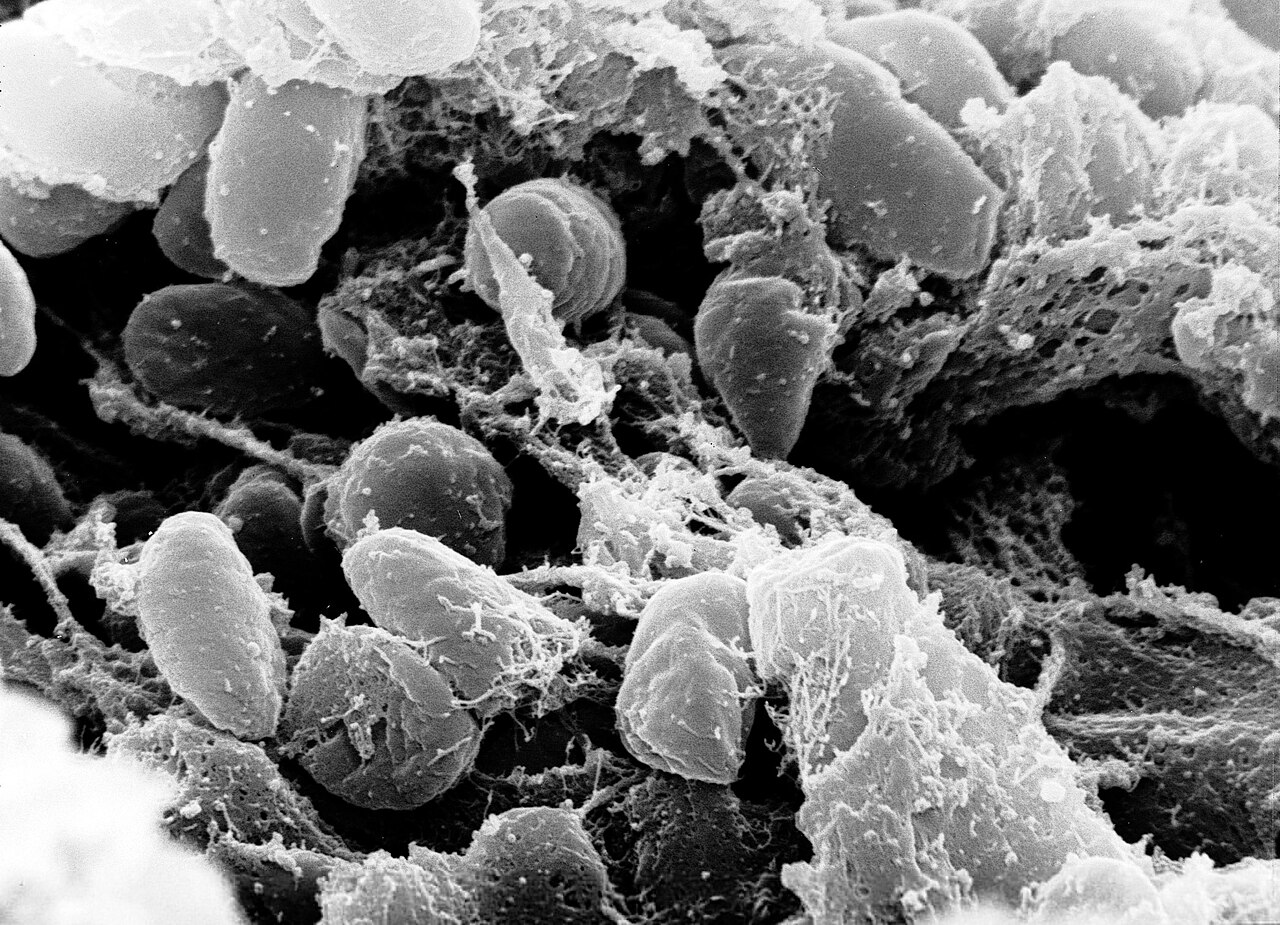
Plague is caused by the bacterium Yersinia pestis. The pneumonic form is the most dangerous because it infects the lungs directly and can spread from person to person through droplets when coughing. Without prompt antibiotic treatment, the report says, a patient can die within 24 to 48 hours.
This report is based on reporting by Ei Samay's international desk.
Photo: CDC / Wikimedia Commons (public domain)
Source: Ei Samay




Comments
(0)