
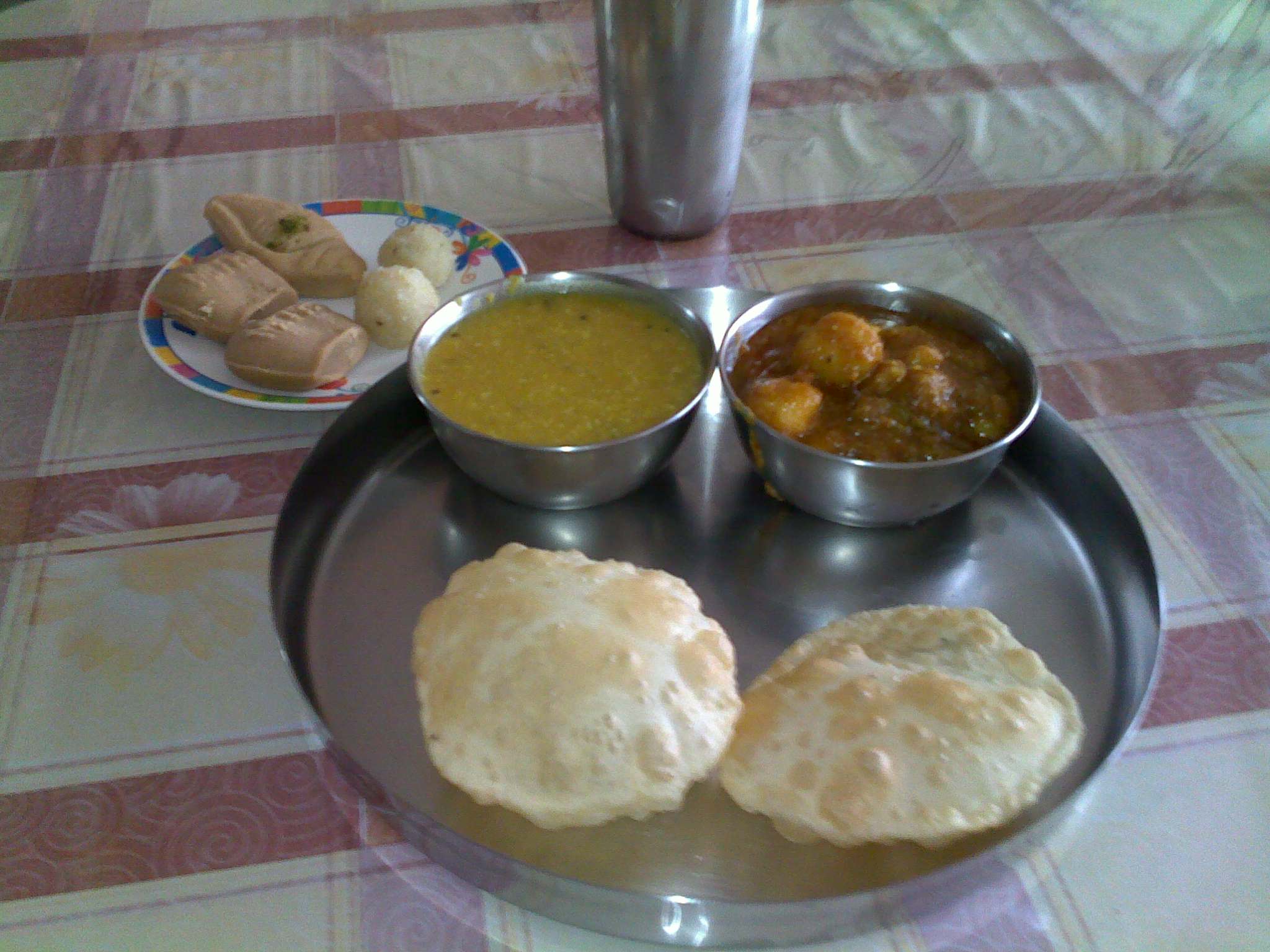
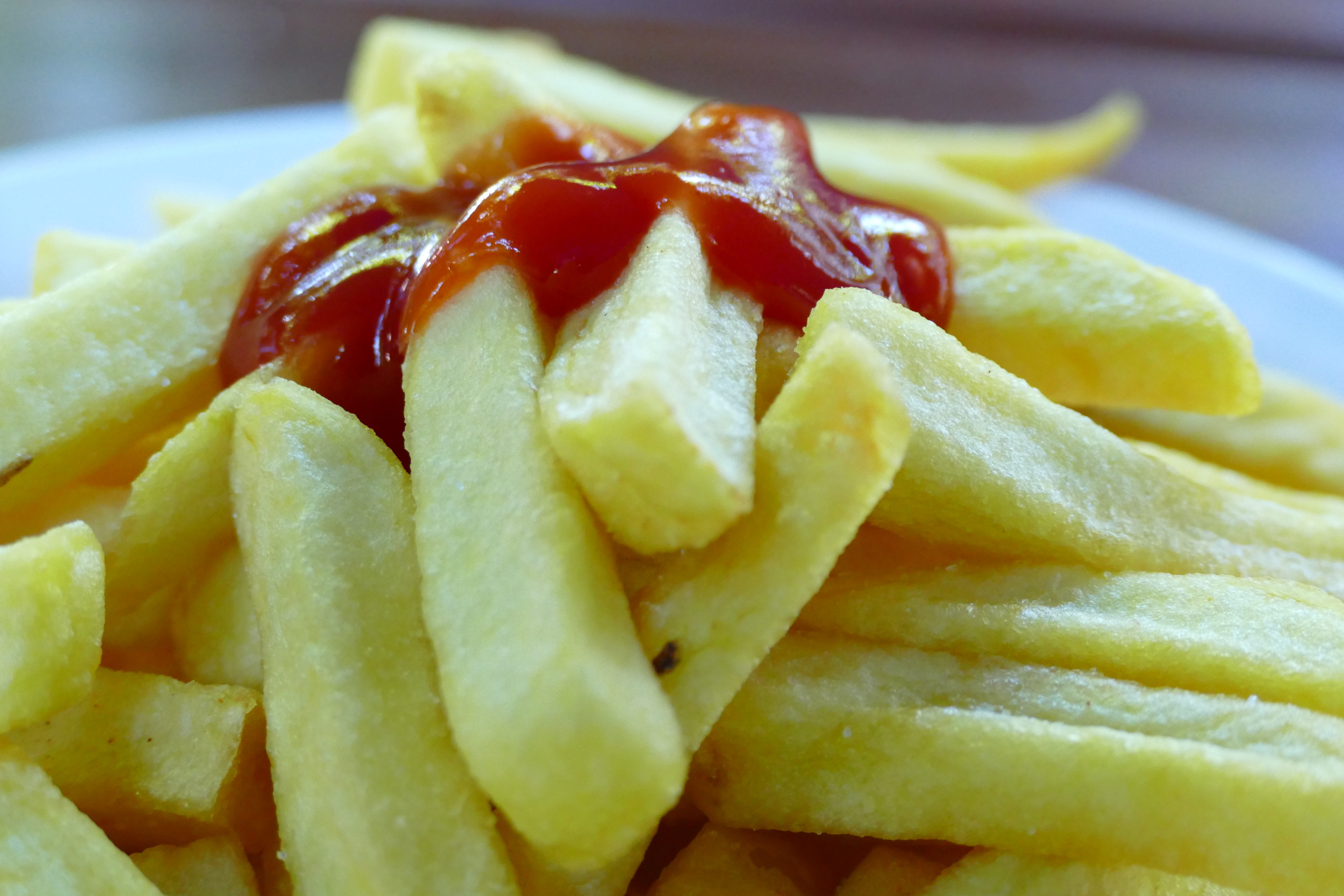
French fries, crisps, potato curry with peas or a paratha stuffed with spiced potato: many people love potato. Many also report discomfort after eating a lot of it, a bloated feeling or gas. A BBC Bangla report by BBC correspondent Subagunam Kannan, published on 22 June 2026, put the question to senior gastroenterologist Arul Prakash, who said there is no single answer: it cannot be settled with a simple yes or no.
According to the International Potato Center (CIP), potato is the world's third most important food crop for human consumption after rice and wheat, and more than a billion people eat it. The centre describes it as an excellent, low-fat source of carbohydrates.
What the doctor said
"Potato is not among the foods observed to cause the most gas in most people. But in certain circumstances, eating a lot of potato can leave some people feeling bloated," Dr Prakash told the BBC. He added that the effect differs from person to person.
Specialists quoted in the report said potato is not the only cause of such trouble. How the dish is cooked, how much is eaten and the person's health all play a part. Fried potato is high in fat, so it can leave a person feeling full for a long time afterwards. Dr Prakash said that potato causing problems for some people does not mean it is bad for health; people simply digest food differently.
Starch, fermentation and gas
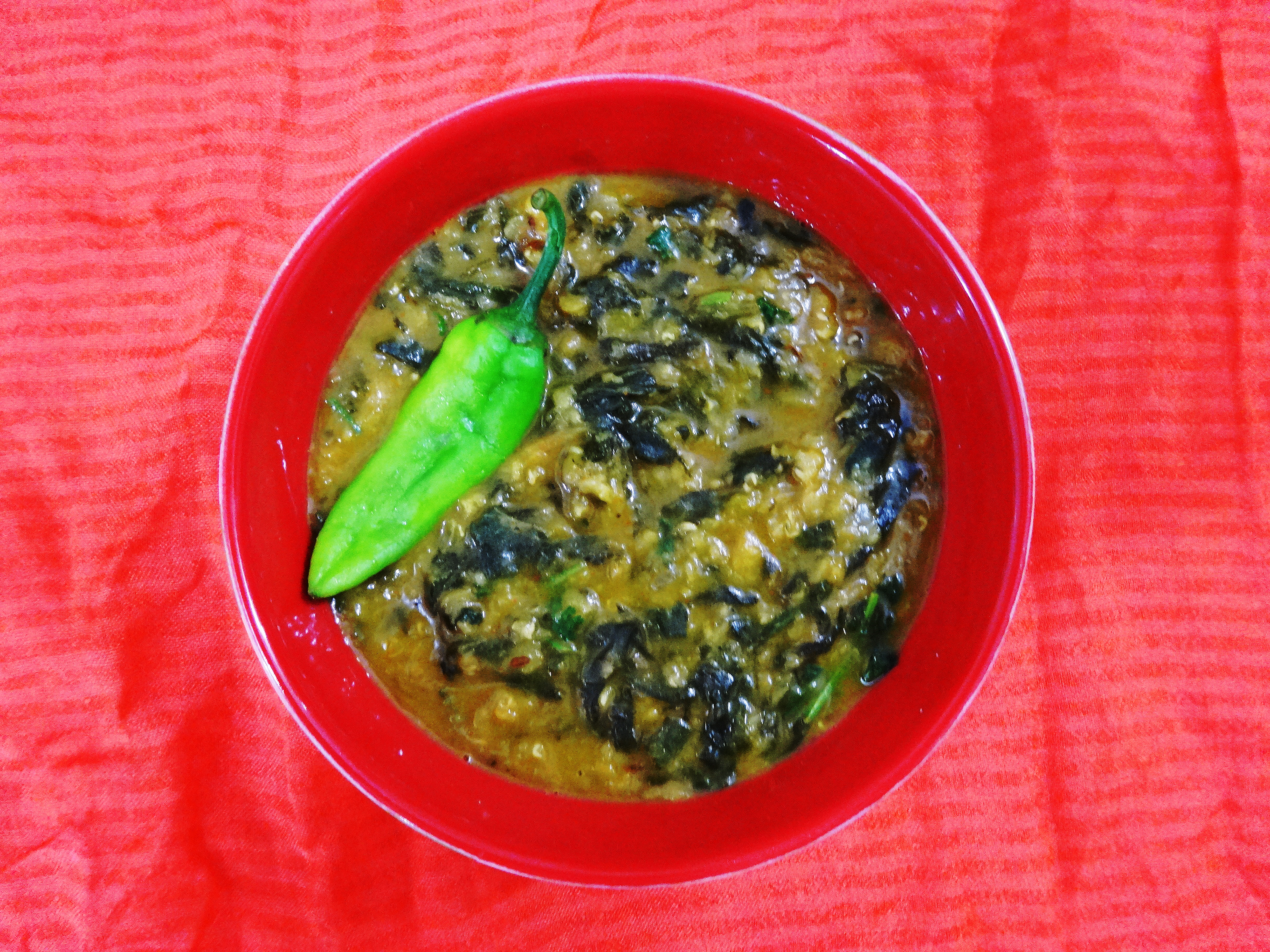
Potato is mostly starch. According to the BBC report, most of it is digested and absorbed in the small intestine, but some passes through to the large intestine, where gut bacteria ferment it. This is known as resistant starch, and it feeds the beneficial microbes in the gut. While that is good for gut health in the long run, the fermentation can temporarily produce extra gas in some people.
The US National Institute of Diabetes and Digestive and Kidney Diseases (NIDDK) explains that gas forms when bacteria in the large intestine break down sugars, starches and fibre that the stomach and small intestine did not fully digest. Air swallowed while eating and drinking is the other main source.
Other foods that cause gas
Dr Prakash said potato is far from alone: beans, chickpeas, peas and lentils can also cause bloating, because they contain complex carbohydrates called oligosaccharides that the small intestine cannot fully digest. People who have trouble digesting lactose may get gas, bloating and stomach pain from milk, ice cream, cheese and yoghurt. The NIDDK list of foods and drinks that may cause gas also includes:
- some fruits, such as apples, peaches and pears, and fruit juices
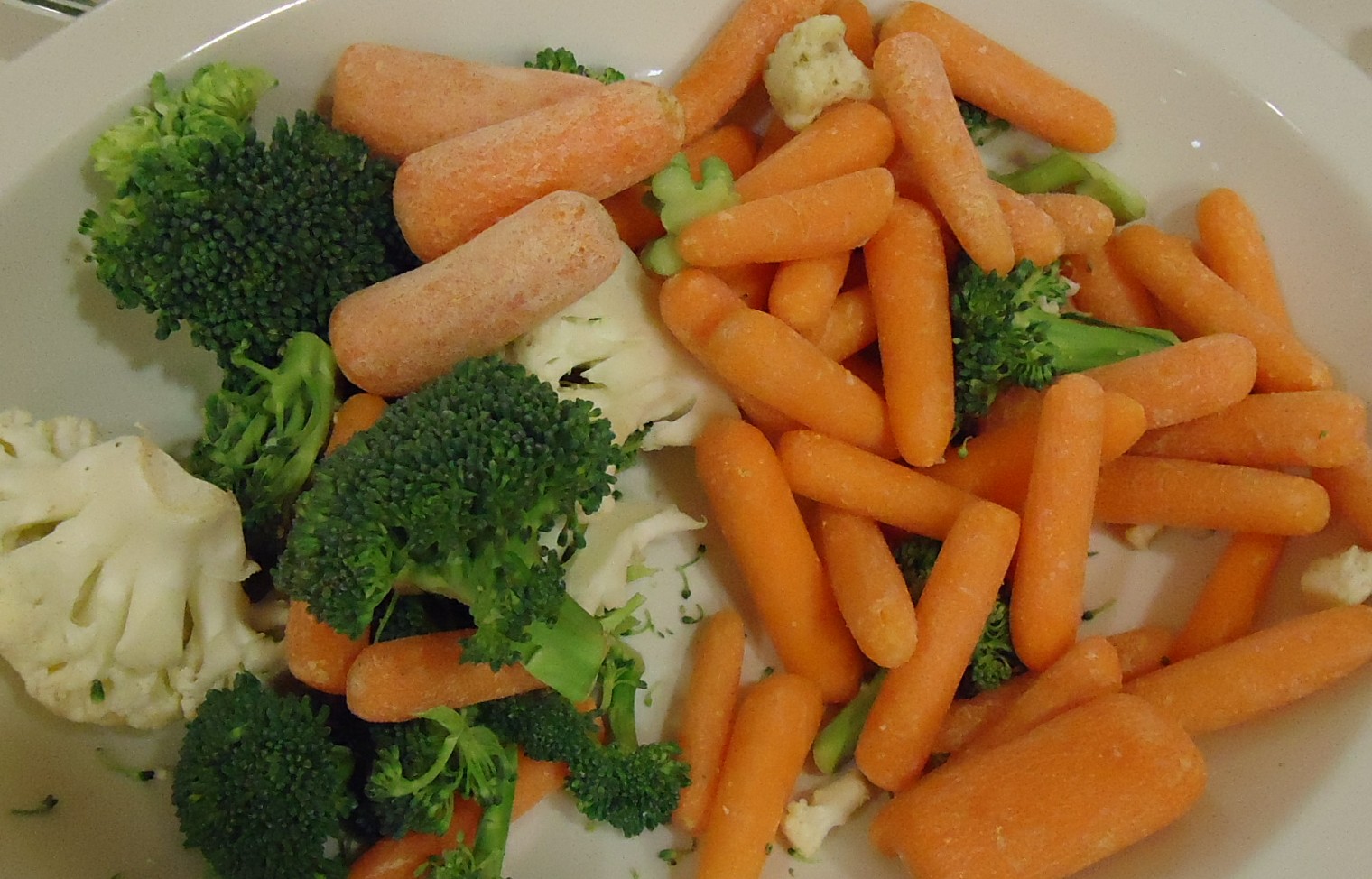
- vegetables such as broccoli and cauliflower, and legumes
- dairy products such as milk, ice cream and yoghurt
- whole grains such as whole wheat
- sweets and gum containing sweeteners such as sorbitol, mannitol and xylitol
Easing the discomfort
Dr Prakash advised eating slowly and chewing food well rather than eating in a hurry, which can greatly reduce bloating and belching. If a food causes symptoms, cutting the portion or changing how it is cooked may help; if a meal of lentils and potato causes trouble, eating them separately next time shows which one is responsible. The UK National Health Service (NHS) likewise suggests eating smaller meals more often, eating slowly and exercising regularly.
Doctors say gas and bloating are usually not serious. But Dr Prakash said anyone whose symptoms last more than two weeks should see a doctor, and gas that comes with weight loss, persistent stomach pain, diarrhoea, blood in the stool, severe constipation or frequent vomiting should be checked by a doctor without delay.
Photo: Mowglee / Wikimedia Commons (public domain)
Sources: BBC Bangla, US National Institute of Diabetes and Digestive and Kidney Diseases (NIDDK), UK National Health Service (NHS), International Potato Center (CIP)
Comments
(0)