
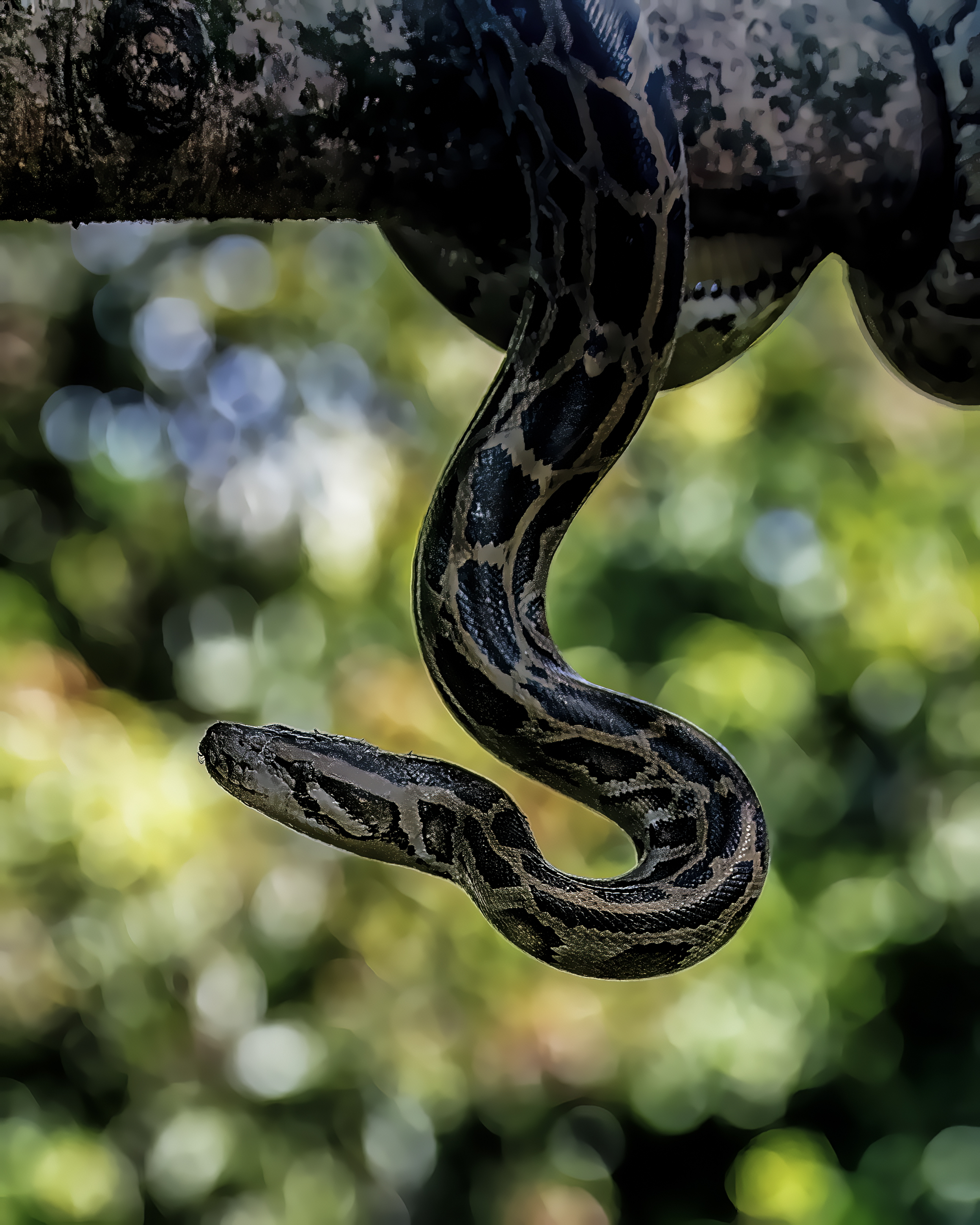
A python that found its way into a house in Sreemangal, Moulvibazar, was rescued unharmed by Bangladesh Wildlife Service Foundation. Jagonews24 reported that the snake was rescued at about 9:30pm on Monday 8 June 2026 from the home of UK expatriate Motlib Khan at Pubasha Khan Manzil in Sreemangal town, and was then handed over to the Sreemangal forest range office.
How the python was rescued
According to local sources quoted by Jagonews24, the python entered the house on Monday night and the family panicked. They then contacted Bangladesh Wildlife Service Foundation.
The foundation's director Swapan Deb Sajal and environmental activist Rajdeep Deb Deep reached the house quickly. They rescued the python unharmed and later handed it over to the Sreemangal forest range office.
Sreemangal forest range officer Md Nazmul Islam confirmed the rescue and said the python would be released into the forest. The report did not give the snake's species or size.
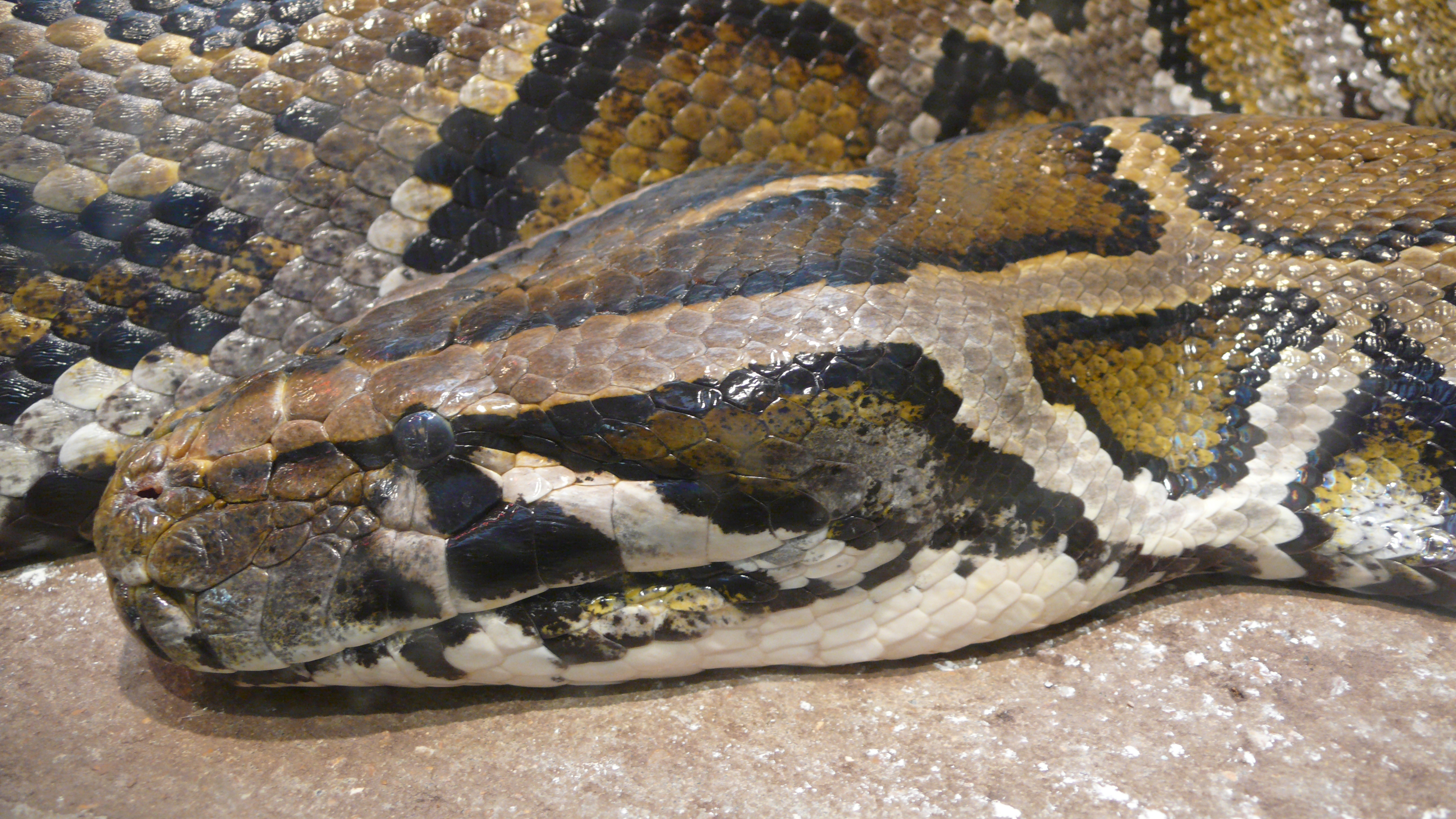
Bangladesh's pythons: not venomous, but under threat
The Reptile Database lists two python species in Bangladesh: the Burmese python (Python bivittatus) and the Indian rock python (Python molurus). According to Wikipedia, the Burmese python's range covers South and Southeast Asia, including southeastern Bangladesh.
Pythons are not venomous. A Burmese python grabs its prey with its sharp teeth, then wraps its body around the animal and kills it by constriction. It eats mainly birds and mammals, but also amphibians and reptiles, and in the wild it typically grows to about 5 metres. It is mainly active at night, lives in grassland, marshes, swamps, rocky foothills, woodland, river valleys and jungle, and needs a permanent source of water.
On the IUCN Red List, the Burmese python was assessed as Vulnerable in 2012, and the Indian python is listed as Near Threatened. When a python turns up near homes, calling the Forest Department or a wildlife rescue group, as the Sreemangal family did, is the safe course for both people and the snake.
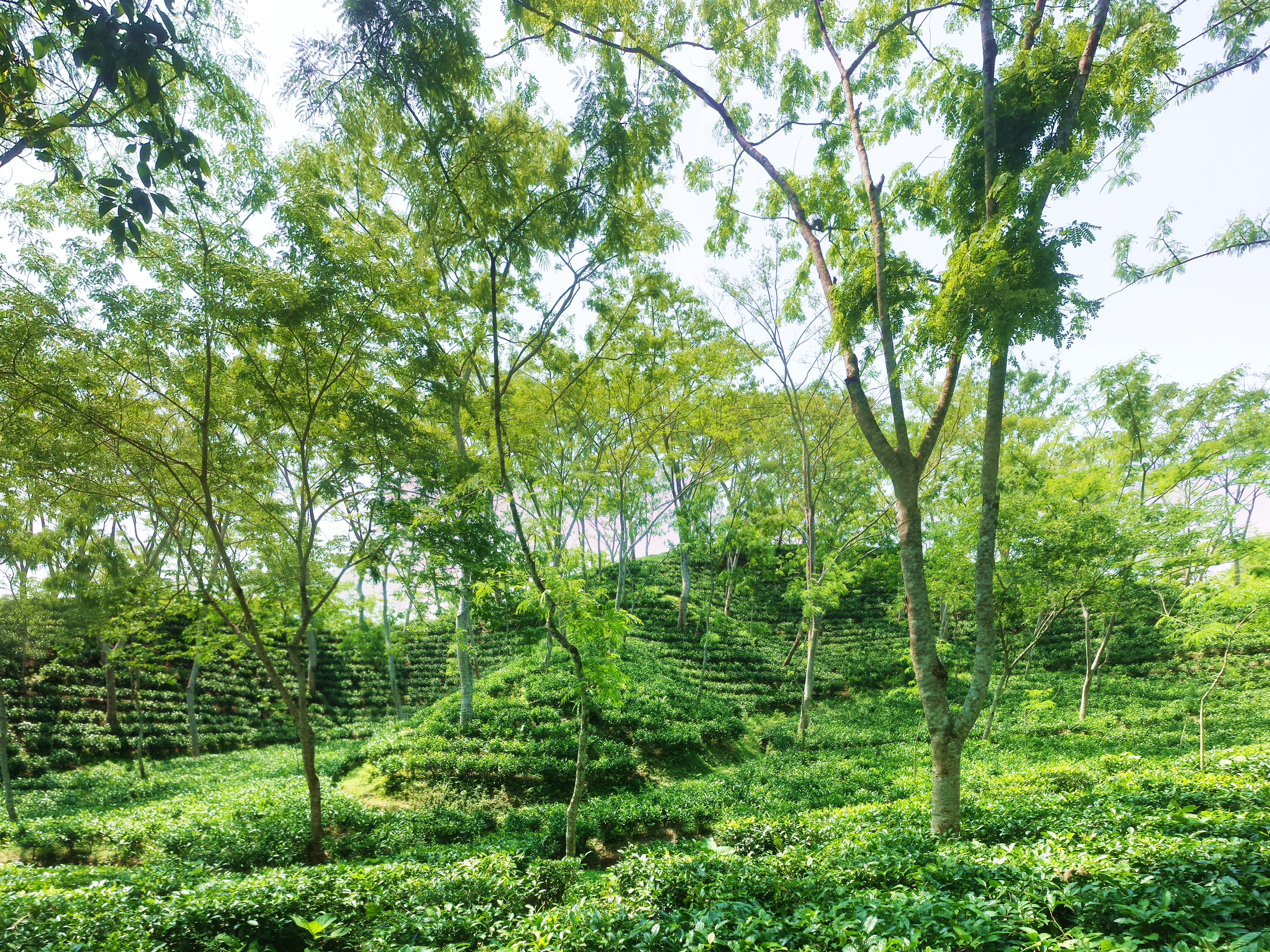
Sreemangal, between tea gardens and Lawachara forest
Sreemangal is an upazila in the southwest of Moulvibazar District in Sylhet Division, bordered by Habiganj District to the west and the Indian state of Tripura to the south. It is often called the tea capital of Bangladesh for its many tea gardens, and the Bangladesh Tea Research Institute is based there.
Lawachara National Park lies about 8 km from Sreemangal town. The government declared it a national park on 7 July 1996. Its roughly 1,250 hectares of semi-evergreen and mixed deciduous forest are home to reptiles including the Burmese python. Forest, tea estates and homes stand side by side in the area.
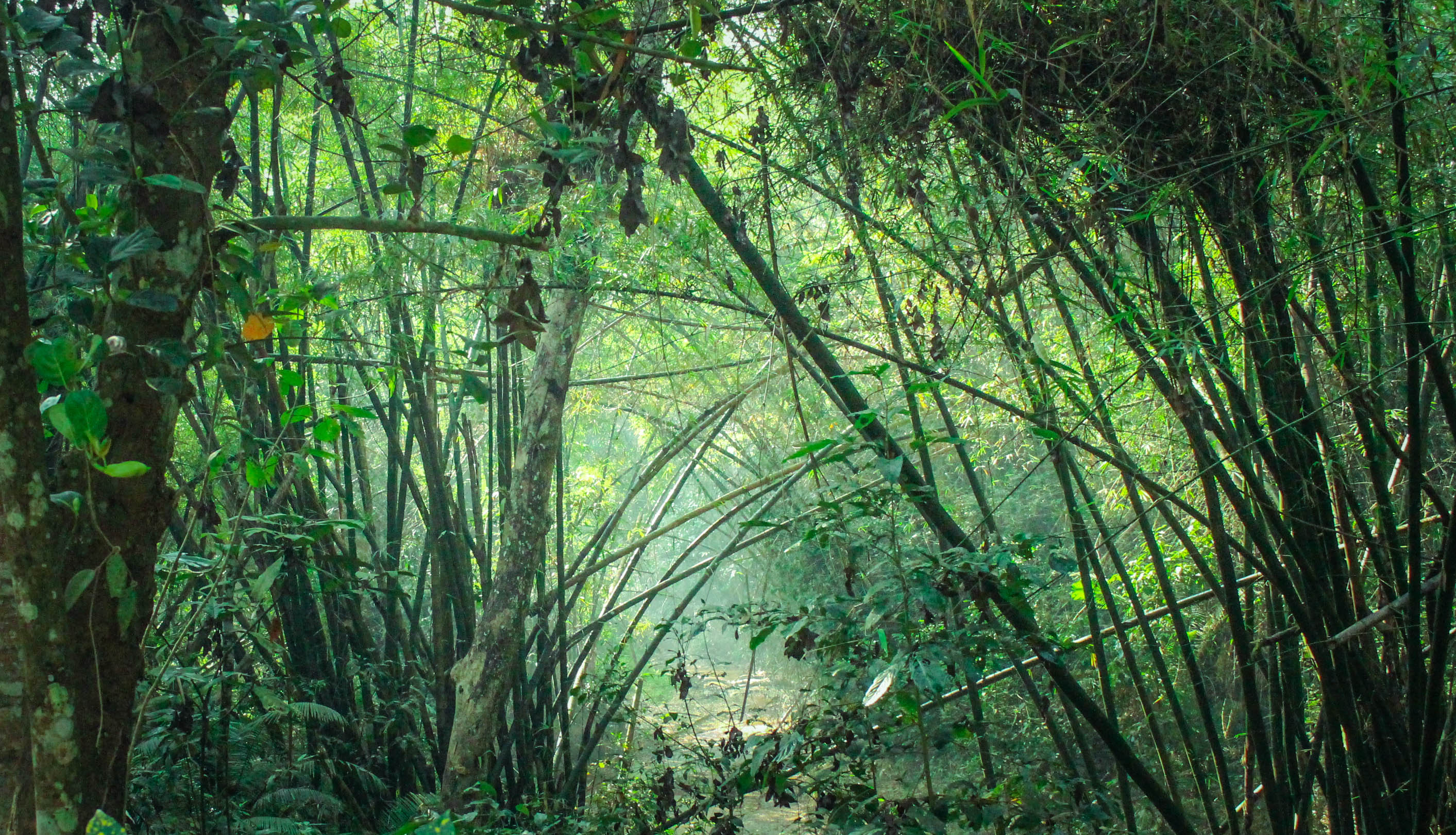
Photo: MD sajjad hossain photography / Wikimedia Commons (CC BY-SA 4.0)
Sources: Jagonews24, The Reptile Database, Wikipedia
Comments
(0)