
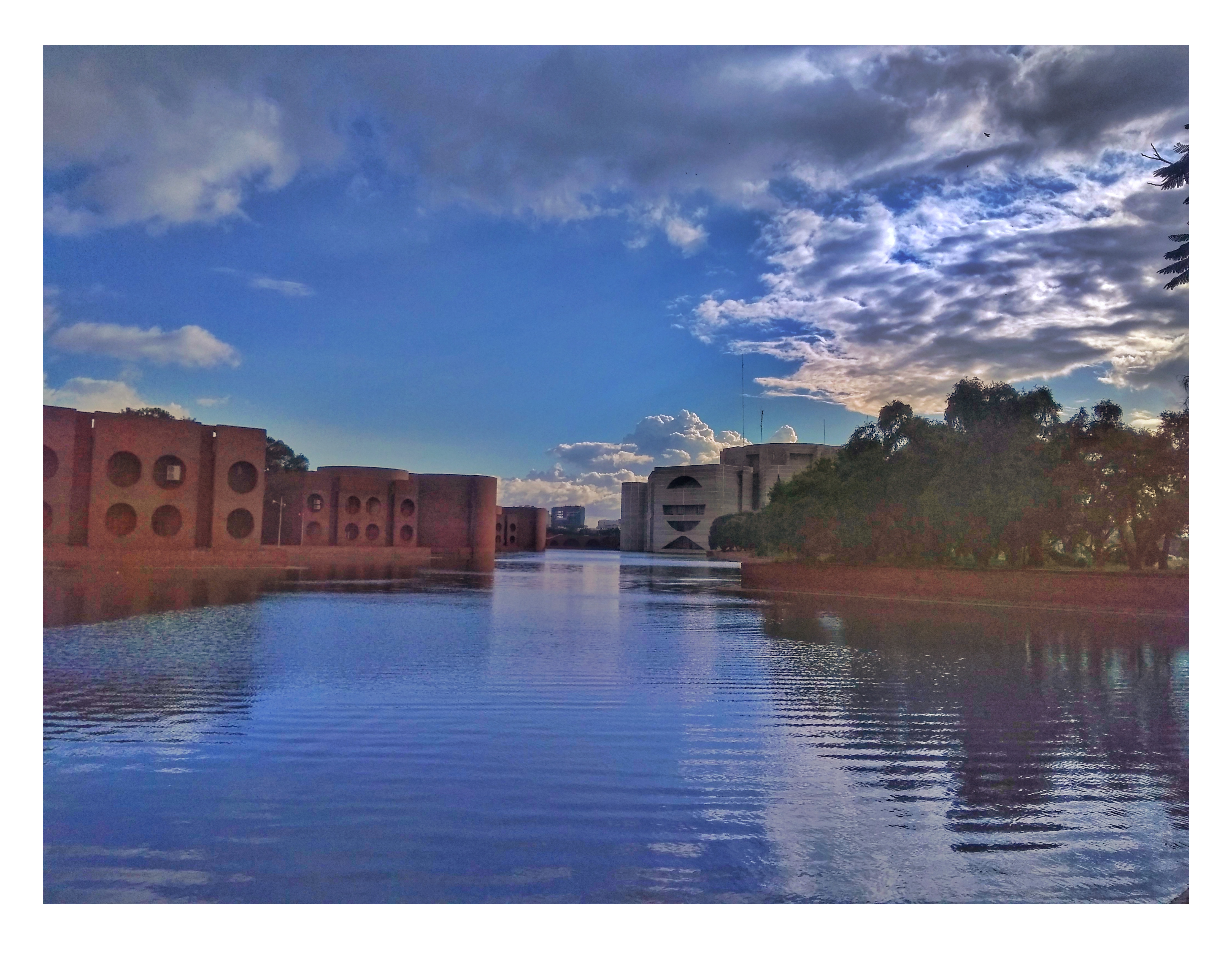
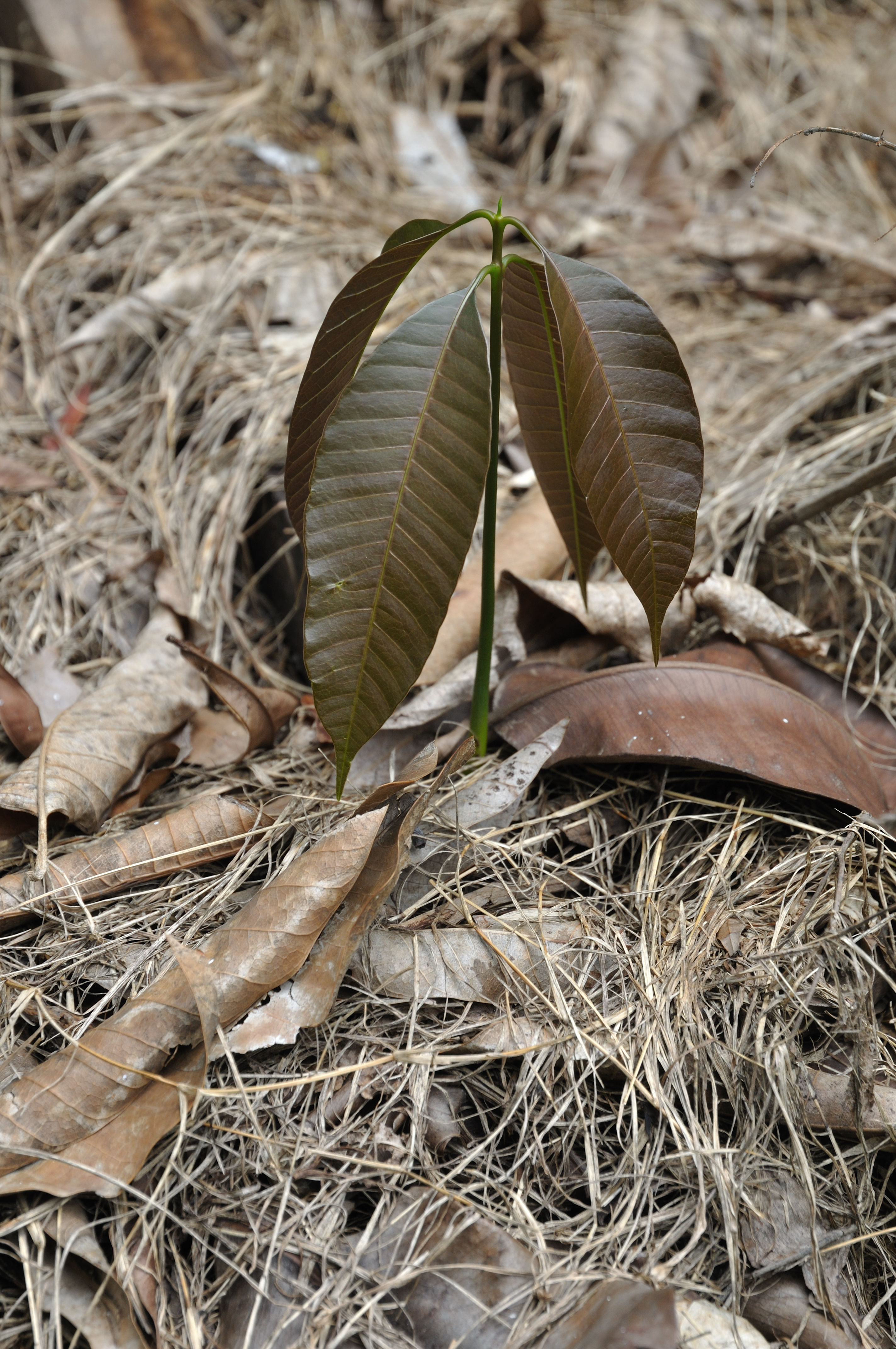
Speaker Hafiz Uddin Ahmed, Bir Bikram, and Deputy Speaker Barrister Kayser Kamal each planted a mango sapling in the rose garden of the Jatiya Sangsad Bhaban (National Parliament House) complex in Dhaka on the morning of Saturday, 14 March 2026. The Parliament Secretariat announced the programme in a press release the same day. The two had been elected to their posts two days earlier, at the opening sitting of the 13th Jatiya Sangsad.
The planting and the programme around it
According to the Parliament Secretariat's account, carried by the state news agency BSS and by bdnews24.com, the Speaker planted his sapling first and the Deputy Speaker followed. After the planting, a doa and munajat were offered for the souls of former President Ziaur Rahman, former Prime Minister Begum Khaleda Zia, their younger son Arafat Rahman Koko, and all those who gave their lives for the country's independence. Khaleda Zia had died in Dhaka on 30 December 2025, aged 80.
Before the planting, the Speaker visited his official bungalow. The secretary and an additional secretary of the Parliament Secretariat, the Serjeant-at-Arms and other officials and staff were present, BSS reported, along with members of the media.
The two office-holders had been chosen on 12 March 2026, when the 13th parliament, elected in the national election of 12 February 2026, met for its first session. Prothom Alo reported that a single nomination had been received for each post and that each motion was carried by a majority of the House, with Khondkar Mosharraf Hossain chairing the opening sitting. Kayser Kamal had until then been the state minister for land. President Mohammed Shahabuddin administered the oath of office to both the same day. bdnews24.com reported that on 13 March, the day before the planting, the two had paid tribute at the National Martyrs' Memorial in Savar and visited the graves of Ziaur Rahman and Khaleda Zia.
A garden inside Louis Kahn's parliament complex
The Jatiya Sangsad Bhaban stands at the heart of Sher-e-Bangla Nagar, a township of Dhaka city, according to Banglapedia, the national encyclopaedia of the Asiatic Society of Bangladesh. The decision to build a legislature in Dhaka was taken in 1959, when the area was planned as the second seat of the National Assembly of Pakistan in a proposed second capital designated Sher-e-Bangla Nagar. A sprawling site of 208 acres north of today's Manik Mia Avenue was acquired in 1961, and the American architect Louis I. Kahn was formally commissioned in March 1962. His master plan was ready the same year.
Design was completed and construction began in 1964. Work stopped during the Liberation War of 1971, and in 1974 the government decided to complete the building without much change to the design. Kahn died before it was finished, and his associates carried the revised design through. President Justice Abdus Sattar inaugurated the building on 28 January 1982, and the inaugural session of the Jatiya Sangsad began there on 15 February 1982. Banglapedia puts the total cost at Tk 128 crore, against a revised estimate of 32 million US dollars, with annual maintenance of about Tk 5.5 crore.
The building is made of cast concrete inside and out, its mass lined with strips of marble, and it stands without a single conventional column: hollow columns that form parts of the enclosing spaces carry the load. It is arranged in nine blocks, eight peripheral blocks rising to 110 feet around a central octagonal block rising to 155 feet, and its parliament chamber can house up to 354 members. The building received the Aga Khan Award for Architecture in 1989.
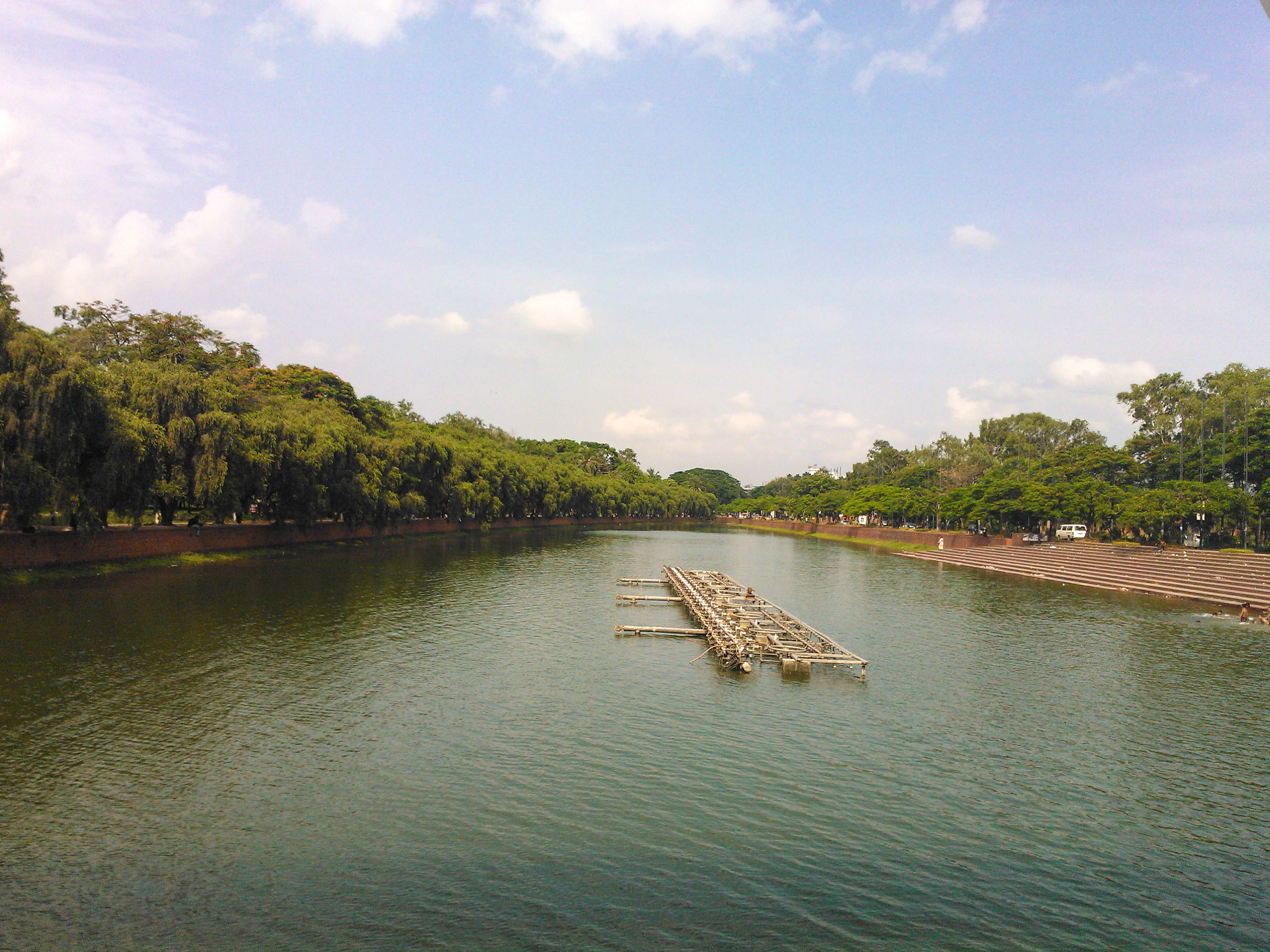
The complex is known as much for its setting as for its concrete. An artificial lake touches the walls of the building, and Banglapedia describes the complex as surrounded by attractive gardens and lakes. The northern approach through the Presidential Square has an amphitheatre where state functions are held, and gardens of green grass and eucalyptus trees. Across the North Plaza a road runs beside the Crescent Lake, while the South Plaza opens onto Manik Mia Avenue. The lawns and the roads around the complex are a popular route for walkers and joggers.
The mango tree, Bangladesh's national tree
The choice of species carried its own meaning. On 15 November 2010 the cabinet decided to declare the mango tree the national tree of Bangladesh, bdnews24.com reported that day. "We had no national tree. So the Mango tree has been declared as the national tree," Abul Kalam Azad, then press secretary to the prime minister, told reporters after the meeting. The same meeting finalised the draft of an amendment to the Forest Act, setting a maximum of three years' imprisonment and a fine of Tk 50,000 as the highest penalty for violating the law.
The mango (Mangifera indica, family Anacardiaceae) is believed to be native to eastern India, including present-day Bangladesh, Assam and Myanmar, Banglapedia notes. Its Sanskrit name, am, suggests a fruit valued as stored food or provisions. The Mughal emperor Akbar, who reigned from 1556 to 1605, planted about 100,000 mango trees in an orchard at Lakh Bagh near Darbhanga, considered the first organised mango orchard of the subcontinent, and the Chinese traveller Hiuen Tsang, who visited India between 632 and 645 AD, is credited with bringing the fruit to the notice of the outside world. The English word comes from the Tamil man-key or man-gay, which the Portuguese adopted as manga, and the fruit reached Brazil around 1700 and the West Indies around 1740.
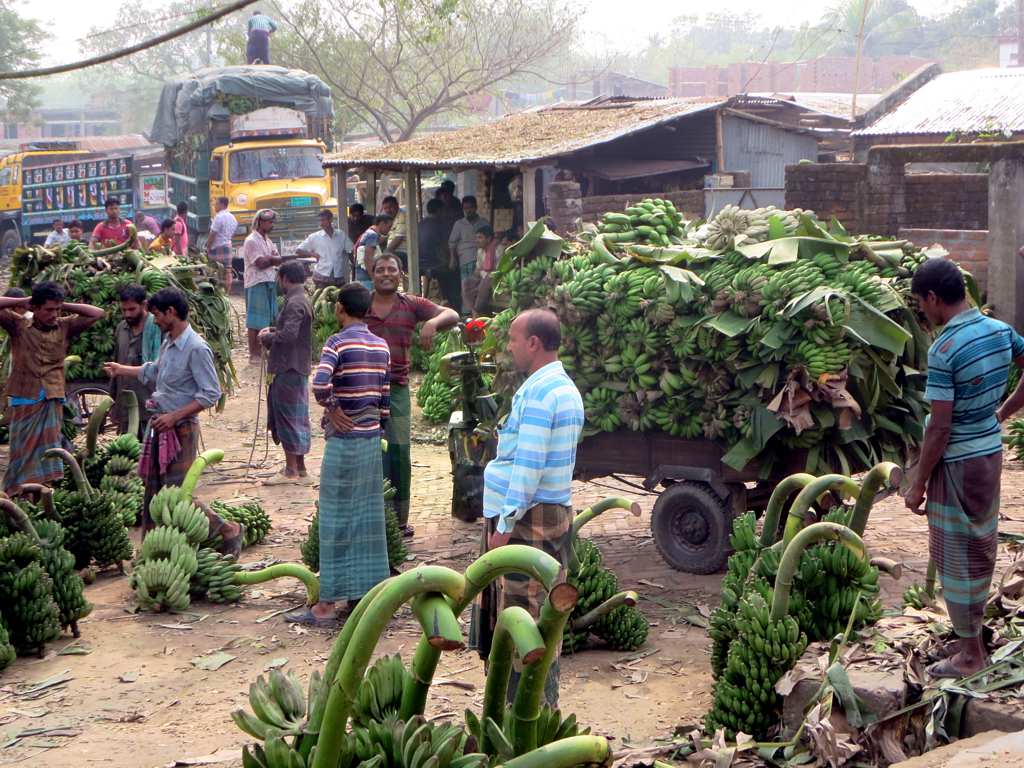
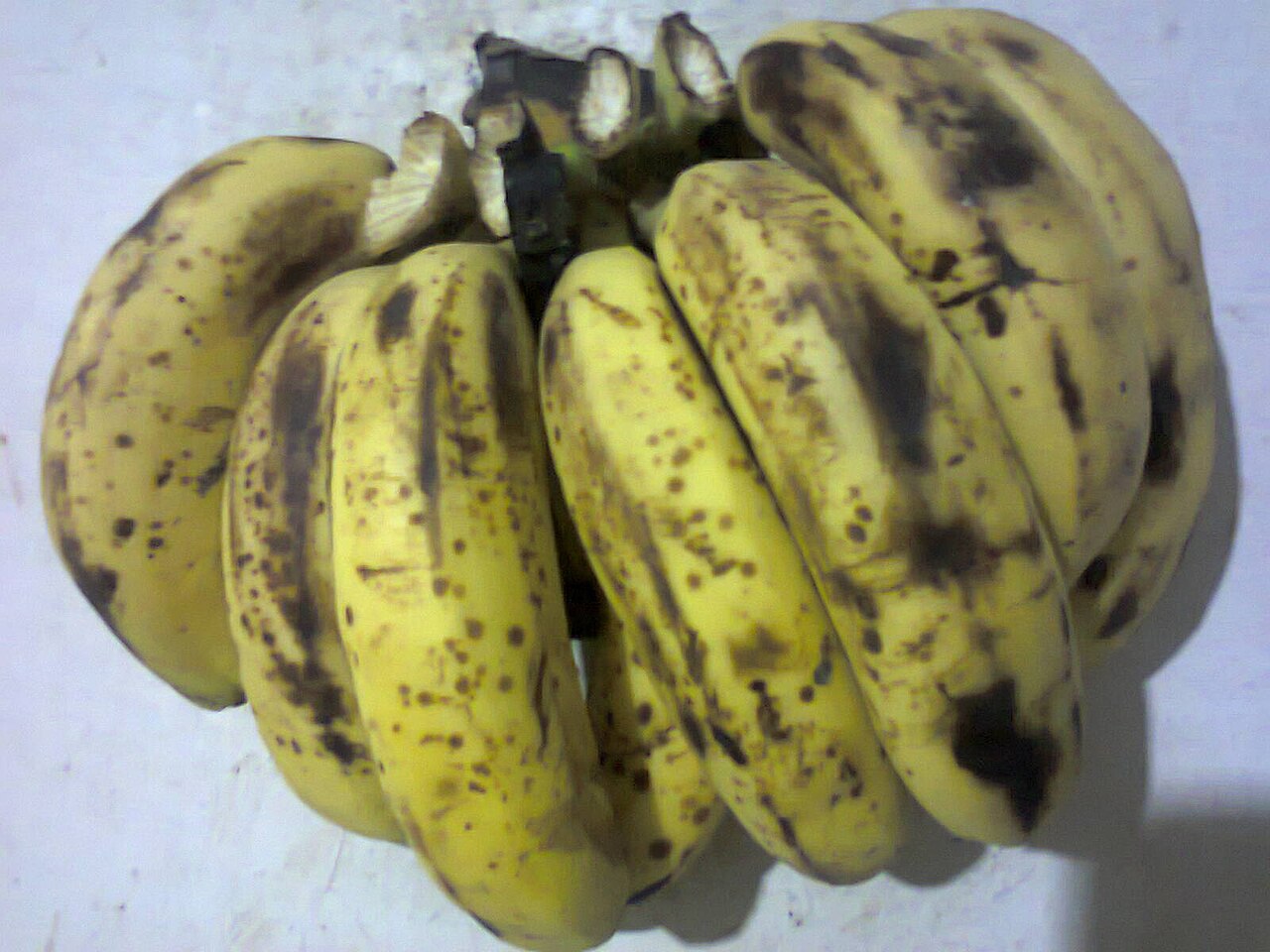
The Daily Star noted in July 2023 that the mango is the national fruit of India, Pakistan and the Philippines, while the mango tree is the national tree of Bangladesh. The world produces about 20 million tonnes of mango a year, it said; India grows nearly half of it, China is second and Bangladesh seventh. Ripe mangoes are eaten fresh, green ones go into curries and dal, and both are made into jam, jelly, squash, chutney and pickle (achar), according to Banglapedia.
What a mango sapling grows into
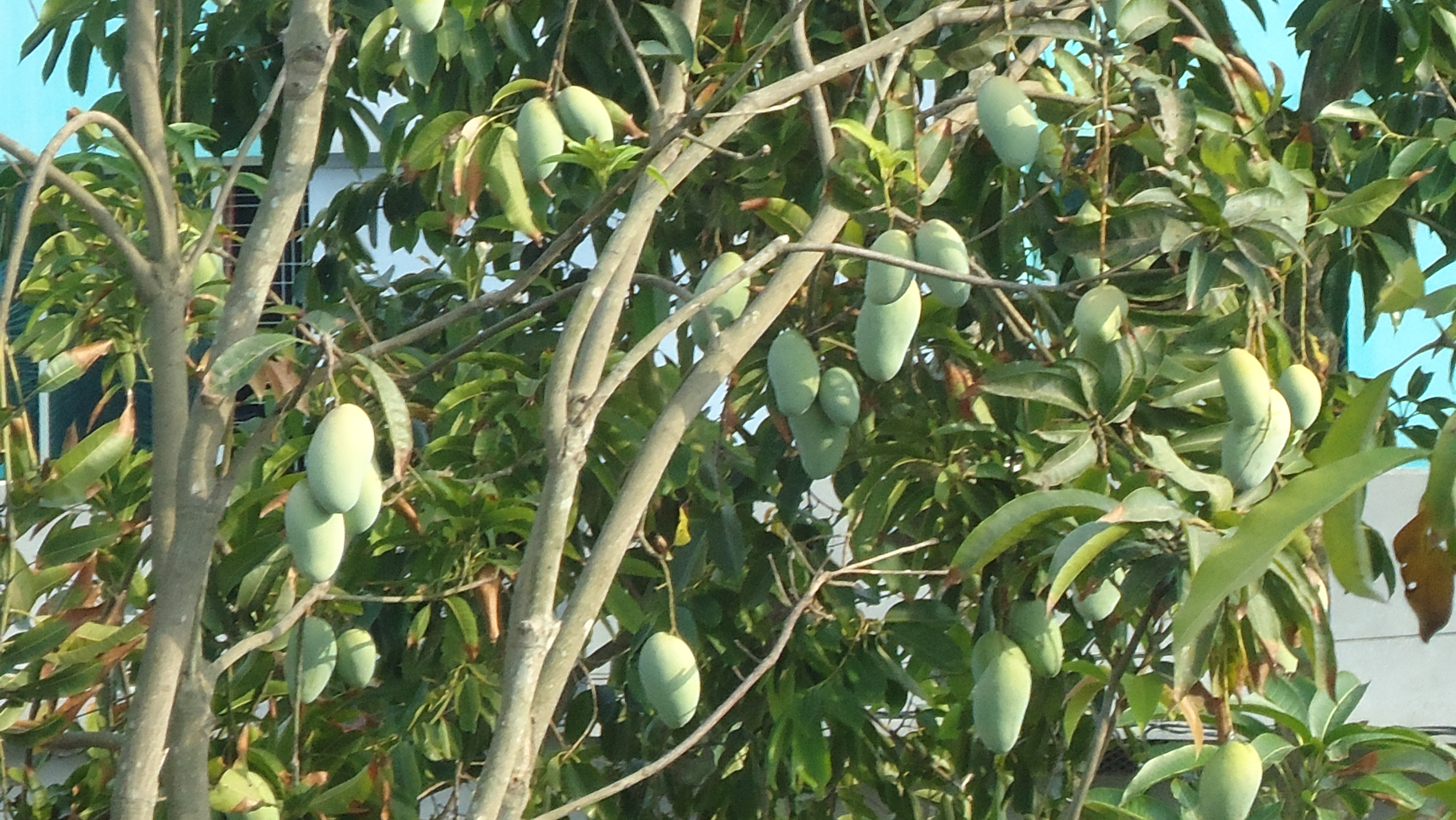
A mango is an evergreen tree with a large, thick trunk. Banglapedia says it can grow more than 20 metres tall and 30 metres across when widely spaced. Its small, fragrant flowers are borne in large panicles at the tips of the branches, each of which may carry 100 to 250 flower buds, and only one or two flowers in about a thousand become ripe fruit; two or three fruits per panicle make a satisfactory crop. The fruit is a one-seeded drupe that may be oval, round, heart-shaped, kidney-shaped or long and slender, and ranges from the size of a plum to 750 grams or even a kilogram.
Mangoes are usually propagated by grafting, which keeps the qualities of the parent tree; in villages, seedlings raised from stones are still common. Grafted trees begin to bear in their fourth year and stay productive to about their 45th year, after which they decline, while seedling trees take several years longer to bear but may fruit for 60 years or more. The Department of Agricultural Extension (DAE) distributes grafts of elite cultivars from its orchards, horticulture bases and nurseries, and the horticulture division of the Bangladesh Agricultural Research Institute (BARI) runs research orchards and stations at Rajshahi, Chapainawabganj and Joydebpur.
The tree grows in nearly any soil except one less than a metre deep or with a rocky or heavy clay subsoil, and the best orchards stand on the deep alluvial loams of the Ganges floodplain. A soil pH of 5.5 to 7.5 suits it best. The weather in the flowering months of January to March matters: fog, rain or cloudy skies harm fruit set, and hailstorms can knock down immature fruit.
About three dozen insect pests attack the mango from the nursery to maturity, Banglapedia notes, the major ones being mango hoppers, fruit weevils, stem borers, shoot borers and fruit flies. Fungal diseases include anthracnose, sooty mould, leaf blight, die-back and powdery mildew, and a bacterial leaf spot also causes damage. For the care of a young tree and for pest control, the upazila agriculture office of the DAE is the place to ask.
Mango in Bangladesh's orchards
Bangladesh has two broad groups of mangoes: superior varieties propagated by grafting, and local varieties grown from seed, known as deshi or guti am. Banglapedia counts nearly 100 cultivars in the country and lists Fazli, Langra, Gopalbhog, Himsagar, Khirsapat, Ashwina, Kishanbhog, Kuapahari, Lata Bombai, Bombai, Kohitoor, Lakshmanbhog, Mohanbhog and Misribhog among the elite ones. Superior varieties are grown mostly in Rajshahi, Chapainawabganj and Dinajpur, and many older orchards across greater Rajshahi and Dinajpur are poorly organised and unproductive. Banglapedia's figure for 2005-06 was about 639,820 tonnes of mango from about 641,525 acres, and it lists old trees, poor management, pests and diseases, seedling-grown trees and the felling of productive trees for fuelwood, roads and construction among the causes of low yields.
Figures for the national crop differ by agency. Prothom Alo reported in July 2023 that the DAE expected about 24.5 lakh tonnes of mango that year from about 2 lakh hectares holding roughly 2 crore trees, while the Bangladesh Bureau of Statistics (BBS) put annual output at about 12 lakh tonnes; both agencies showed output rising every year. In the DAE's count the mango was the largest of the perennial orchard fruits, ahead of jackfruit at about 19 lakh tonnes. The same report put the cost of production at about Tk 20 a kilogram and the harvest season at mid-May to August, and cited the BBS Household Income and Expenditure Survey 2022, which found that daily fruit intake per person had risen from 44.7 grams in 2010 to 95.4 grams in 2022.
The map of mango growing has also shifted. Rajshahi and Chapainawabganj were once the main mango districts, but Naogaon now produces more than both, and Satkhira, Rangpur and the Chittagong Hill Tracts also produce large volumes, the 2023 report said. Amrapali had become the most widely grown variety, alongside older favourites such as Himsagar, Langra and Fazli and newer ones such as BARI Aam-4 and BARI Aam-11.
A month before the parliament planting, on 15 February 2026, BSS reported from Rajshahi that orchards there were filling with blossom. Citing DAE data for the Rajshahi region, it said mango covered 19,603 hectares in 2024-25 and produced 249,952 tonnes, and that the target for 2025-26 was 246,000 tonnes from the same area. Shafiqul Islam, chief scientific officer of the Rajshahi Fruit Research Centre, told the agency, citing DAE data, that over ten years mango area had grown by 14,925 hectares in Naogaon and by 9,520 hectares in Chapainawabganj, that Naogaon had overtaken Chapainawabganj as the top producing district the previous year, and that Chapainawabganj still had the largest mango area. Amrapali, BARI Aam-3 and BARI Aam-4 orchards were growing every year, the report said, and farmers were now planting orchards on a ten-year horizon.
Trees in the national count
The Bangladesh Forest Inventory (BFI), carried out by the Forest Department under the Ministry of Environment, Forest and Climate Change, is the country's most detailed count of its trees. It visited 1,781 field plots, surveyed 6,400 households and produced a national land cover map for 2015; its design and key results were published in the journal Forest Ecosystems in February 2021. Using the FAO definition of forest, it put Bangladesh's forest cover at 1,884,019 hectares, 12.8 percent of the country's total area, or 14.1 percent when rivers are excluded, which amounts to 11.7 hectares per thousand people. Hill forest was the largest forest type, at 4.6 percent of the country's area, followed by shrubs with scattered trees at 4.2 percent and mangrove forest at 2.7 percent. Nationally, tree cover showed a net decrease of 3.4 percent between 2000 and 2015.
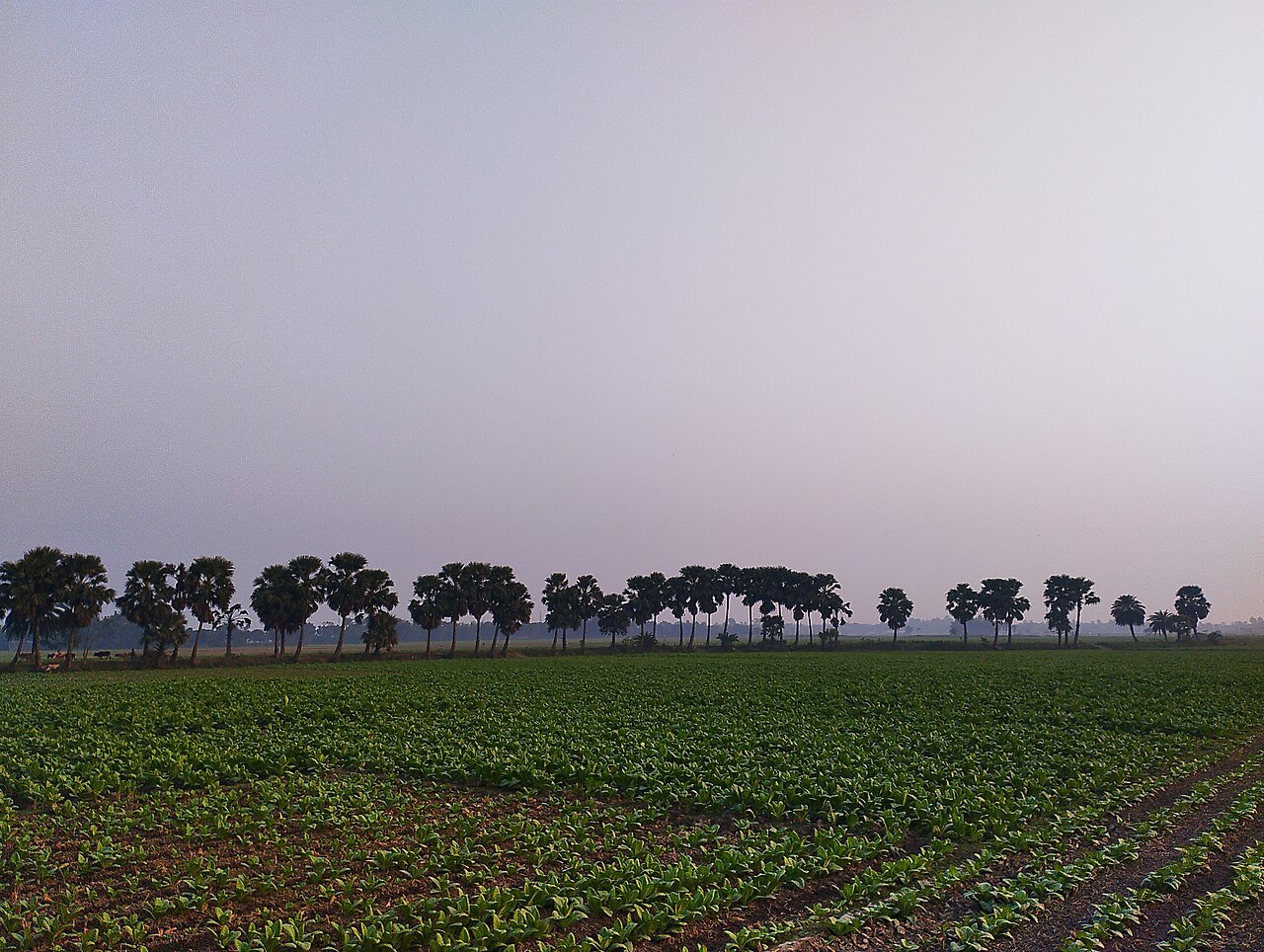
The inventory also showed how much of the country's tree wealth stands outside forests. Trees on other land, including rural settlements, held 66 percent of total biomass, and rural settlements alone held half of the national growing stock. One mangrove species (sundari, Heritiera fomes), one fruit species (the mango) and one introduced species (mahogany, Swietenia mahagoni) were the top three species by biomass, together making up 19 percent of it. The survey recorded 392 tree species, and found that trees in the village zone are mostly planted and are often fruit trees. The total terrestrial carbon stock was estimated at 1,275.6 million tonnes.
Tree and forest management was being carried out on an estimated 3.1 million hectares, 23.2 percent of the total area, and the Forest Department owned almost 9.4 percent of the land. Only 1.3 percent of the households surveyed had received support for tree and forest management from any organisation, mostly in the form of free seedlings and training on tree planting. Asked why tree cover was lost, households mostly named overharvesting and the removal of trees for construction.
Protection rules were also in force on the date. In October 2022 the cabinet approved keeping a ban on felling trees in reserved and natural forests until 2030, bdnews24.com reported. Social forestry plantations run jointly with local people were left outside the ban: in them, acacia trees are harvested after 15 to 20 years, with 70 percent of the value going to the caretakers and 30 percent to the Forest Department.
Plantation drives and Dhaka's shrinking green
Tree planting is an annual public campaign in Bangladesh. The most recent national campaign before the parliament planting opened on 25 June 2025, when Chief Adviser Muhammad Yunus inaugurated the Environment Fair 2025 and the National Tree Plantation Campaign and Tree Fair 2025 at the Bangladesh-China Friendship Conference Centre in Dhaka, Bonik Barta reported. Its theme was "Let's plant in a planned way to build a green Bangladesh". The environment fair ran from 25 to 27 June and the tree fair until 24 July. The National Environment Award, the National Wildlife Conservation Award and the National Tree Plantation Award were presented, along with profit-share cheques for beneficiaries of the social forestry programme, and competitions and seminars were held at 100 educational institutions in Dhaka and at district and upazila level.
In Dhaka the need for trees is sharp. A study published in the journal Environmental Challenges found that healthy green space fell from 17 percent of the city's area in 1989 to only 2 percent in 2020, Reuters reported in April 2023. A separate 2021 study led by Md Imran Hosen, a postdoctoral researcher at the University of New South Wales in Australia, found that Dhaka's built-up area expanded by 67 percent between 1993 and 2020, that the city lost 56 percent of its green space in those three decades, and that land surface temperature rose by a mean of 6.43 degrees Celsius over the period, or 0.24 degrees a year.
Photo: IshratPinky / Wikimedia Commons (CC BY-SA 4.0)
Sources: Jagonews24, BSS, bdnews24.com, Prothom Alo, Banglapedia (Asiatic Society of Bangladesh), Wikipedia, The Daily Star, Forest Ecosystems (Bangladesh Forest Inventory, Forest Department), Bonik Barta, Reuters
Comments
(0)