
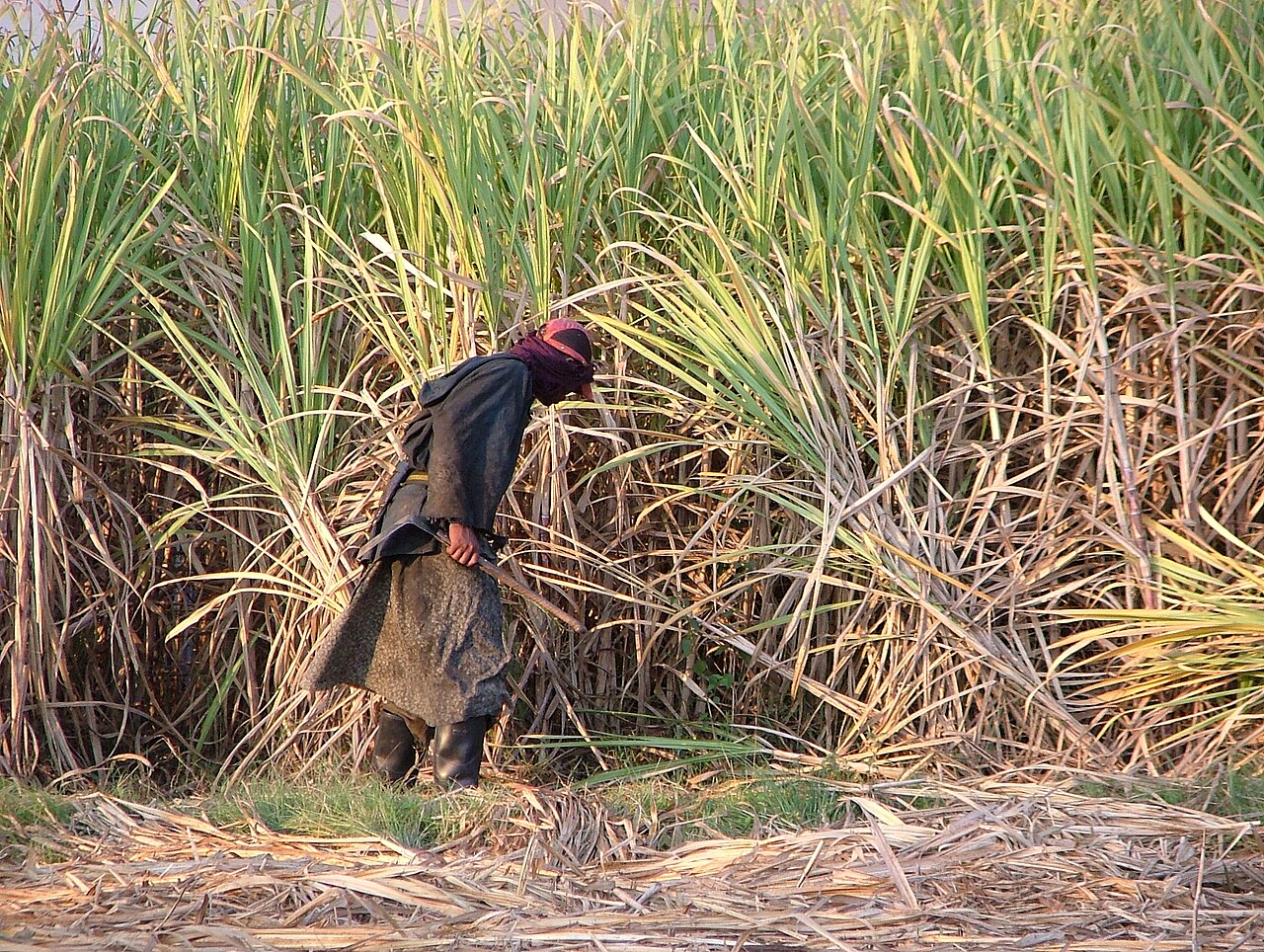
South Africa's sugar industry planted 751 hectares in the first year of a transformation programme that aims for 5,000 hectares in three years, and speakers at the Sugarcane Development Transformation Dialogue at KwaShukela, Mount Edgecombe, said reaching the target will take pooled money and up to R1 billion in finance facilities, Food for Mzansi's Ivor Price reports.
Getting land is only the start, said moderator Duncan Masiwa, head of brand, marketing and communications at the Agricultural Development Agency (Agda). Growers then need to know where the finance will come from to produce, bring in a harvest and make a living.
Anwhar Madhanpall, head of development finance and project management at the South African Farmers Development Association (Safda), said year one was a project-by-project effort by Kagiso Trust and some milling companies, and the lesson was scale, best organised around mill catchment areas. He called for readiness capital to prepare the next year's pipeline before planting money arrives.
Thobeka Khumalo, an agronomist at Gledhow Sugar Company, described the fieldwork. The land was heavily overgrown with bush that had to be cleared, and because it had been grazed it needed fencing, which meant long talks with landowners, community leaders and livestock owners. "We couldn't start planting without these two critical activities, and neither was catered for when the project was budgeted," she said. Grower-code applications caused further delays, and certified seedcane was limited.
Mary Ramkelawon, finance director of the South African Sugar Association (SASA), explained Mafisa, the micro agricultural finance scheme SASA has run since 2010. The fund began with R35 million and now stands at about R57 million; about 2,500 loans worth some R117 million have gone to growers and co-operatives, and in the last two to three years about 550 loans worth R75 million helped plant about 1,500 hectares. Small growers cannot get commercial funding without collateral or land title, she said, and she asked the department to top up the fund and for blended finance, which SASA has piloted at 65% grant and 35% loan.
Asked what must change for black growers to supply 50% of cane tonnage by 2028, Madhanpall called that deadline "somewhat far-fetched" and said the industry and its partners should commit to the target as an industry programme, through a blended finance facility at industry level with commercial banks, millers and development finance institutions taking part and public money lowering the cost of capital. "It's not far-fetched to say that within the next year we should have R500 million to a billion rand in facilities," he said, suggesting a special purpose vehicle with proper governance. The speakers' recommendations included budgeting for bush clearing, fencing and community engagement from the start. With 4,249 hectares still to plant, they said, the systems and the money exist and now have to be brought together.
Photo: Marius140% / Wikimedia Commons (CC BY-SA 4.0)
Source: Food for Mzansi

Comments
(0)