
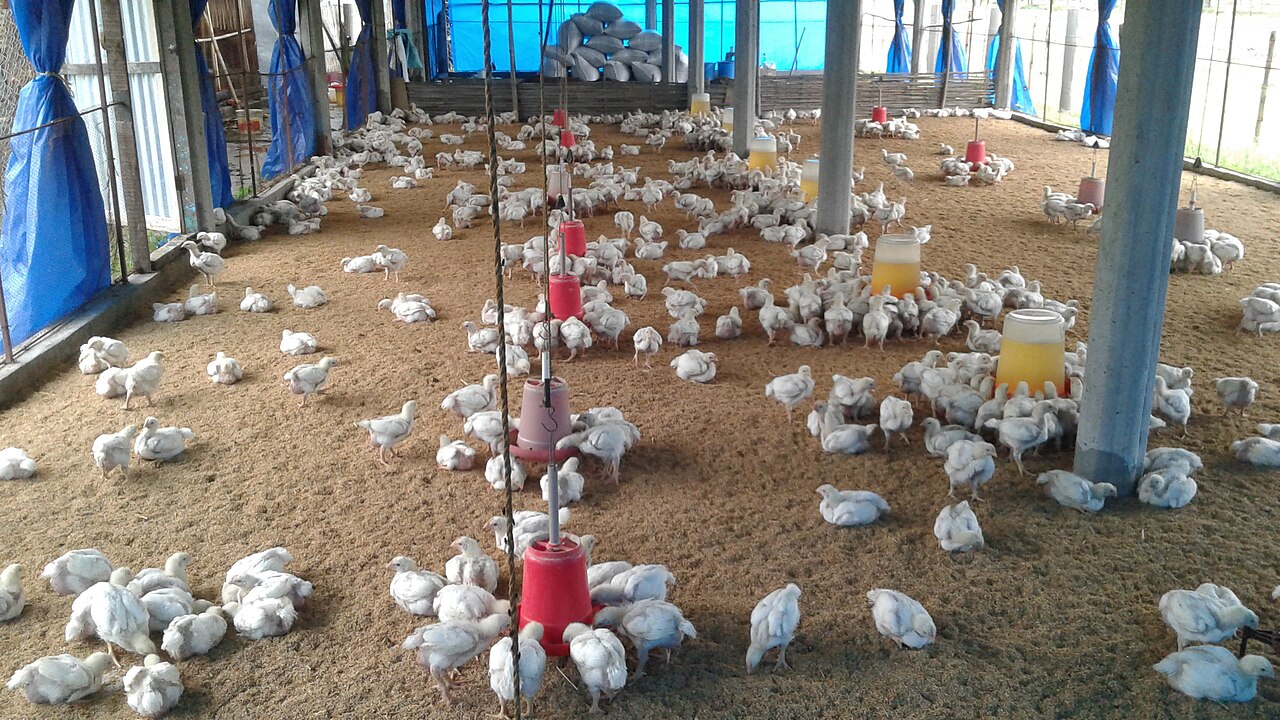
Growth in world animal protein production will slow sharply in 2027, according to RaboResearch's new Global Animal Protein Outlook 2027, as tighter supplies in several categories meet persistent cost pressure, trade disruption and more value-conscious consumers, The Cattle Site reports.
Total animal protein output is forecast to grow by just 0.3% in 2027. Poultry remains the main engine, growing an estimated 3.1%, followed by aquaculture at 1.2%, while wild-catch seafood, beef and pork are all expected to contract. Across the main producing regions, combined growth in beef, pork and poultry slows to 0.8%, the lowest rate since 2021.
"Rather than pursuing growth at almost any cost, animal protein companies will increasingly need to prioritize margin protection, productivity, supply-chain resilience, and disciplined investment," said Éva Gocsik, Global Head Animal Protein for RaboResearch. Energy, feed and financing costs are expected to stay high, and companies may find it harder to pass them on. She added that strengthening El Niño conditions add uncertainty to feed production and livestock systems, and that water scarcity is becoming a location-specific limit on production and expansion.
Demand stays resilient but more selective. Affordability will favour cheaper proteins such as chicken and eggs and work against beef, lamb and premium seafood, Gocsik said, with frozen products, private label, value cuts and larger packs likely to gain. Interest in protein for healthy ageing, satiety and muscle maintenance also creates room for differentiated products.
Trade is becoming more fragmented as disease, geopolitics, protectionism and sustainability rules shape market access. Reduced access for US beef in China has let Brazil and Australia defend or grow their share, though safeguard quotas limit further gains. In the EU, the suspension of Brazilian beef opens room for Argentina and Uruguay, while a positive audit raises the prospect of Brazilian chicken shipments resuming from early 2027. China is emerging as a net poultry exporter. On disease, Spain's African swine fever restrictions show how regionalisation can gradually restore access, New World screwworm will need continued surveillance in North America, and avian influenza and Newcastle disease will remain major sources of volatility in poultry.
Regionally, tight cattle supplies keep beef prices high in North America, where pork and poultry growth slows. Europe faces tight beef, shrinking pork and a risk of poultry oversupply, with feed and energy costs high. China's pork output is forecast to fall by 1% to 2% as its smaller sow herd works through, while poultry grows. Brazil's chicken and pork output are expected to reach records, and in Southeast Asia, Vietnam and the Philippines lead strong poultry growth while pork recovery depends on biosecurity.
Photo: Tiger Gang / Wikimedia Commons (CC BY-SA 4.0)
Source: The Cattle Site


Comments
(0)