
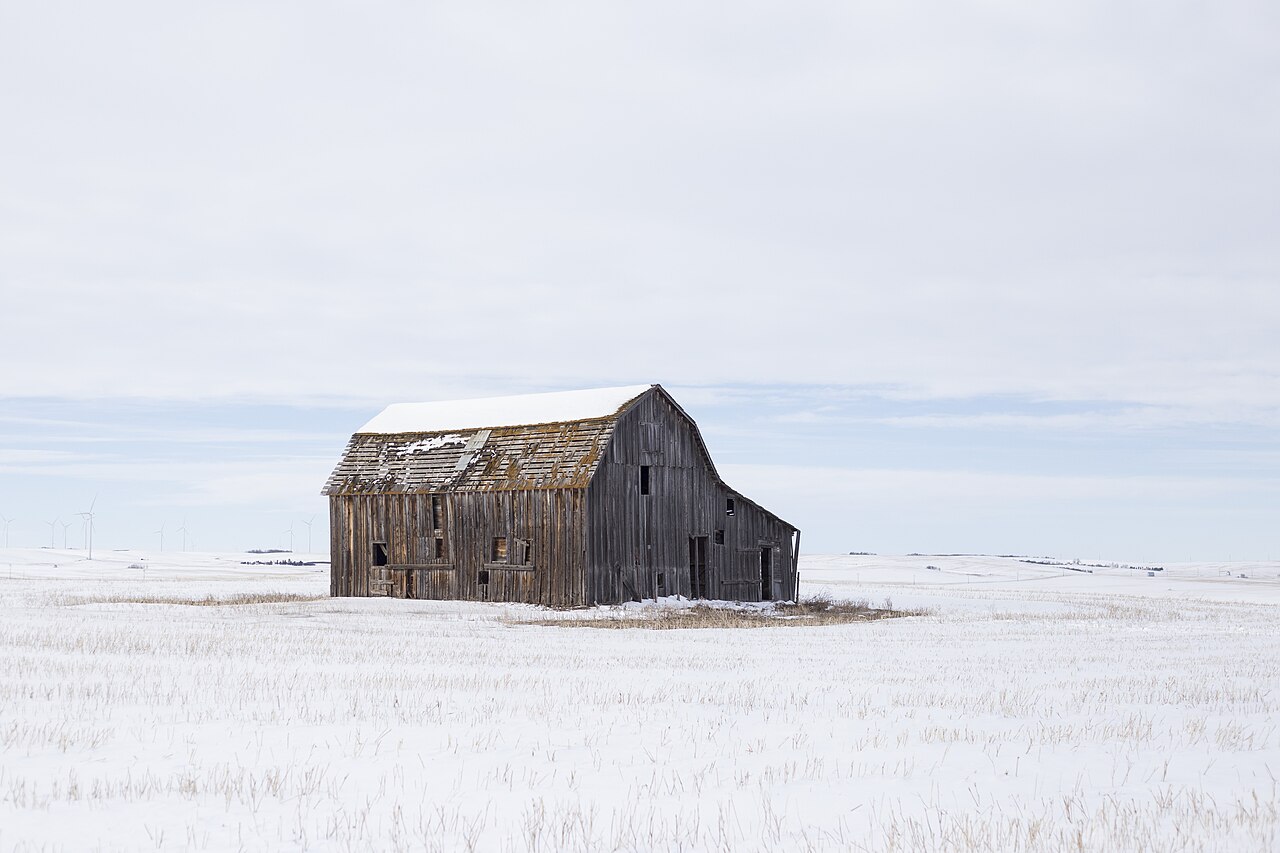
Winter changes how farm buildings work. Doors and windows stay shut longer, heaters come back into service, snow can block access, water lines can freeze, and producers may be tempted to cut ventilation to save heat. Each change brings risks for livestock, workers and property, and fire is among the most serious, Farms.com writes in a pre-winter guide for Canadian farms.
Electrical and mechanical problems are the leading known cause of barn fires: where the cause can be found, about 40 per cent are traced to faults in the electrical system. Barns are hard on wiring, because high humidity and corrosive gases such as ammonia and hydrogen sulphide speed up wear, and rodents chew cables. Before winter, producers should check panels, outlets, switches, cords, lights and equipment for damage, corrosion or overheating, and have permanent systems inspected and maintained by a licensed electrical contractor. Extension cords and power bars should never become permanent wiring, especially with winter's extra loads.
Heaters idle for months need attention before use. Agricultural-rated heaters should be installed with the required clearances, cleaned and checked for damage, and portable heaters never left unattended. Straw, hay, feed bags and cobwebs must not build up around heating or electrical equipment, and bedding and clutter should be kept at least one metre (three feet) from electrical systems. Heat lamps need special care around poultry, young animals and bedding.
Sealing a barn may feel warmer but is not safer. Animals produce heat and moisture and manure gives off gases, so ventilation must remove carbon dioxide, ammonia, hydrogen sulphide, methane and carbon monoxide while balancing animal comfort and energy use. Fans, shutters, controls and inlets should be cleaned and checked, and farms with mechanical ventilation should plan for a power failure.
A fall clean-up is fire prevention: dust, cobwebs, loose hay and clutter are fuel. Ontario's advice is to remove dust and cobwebs regularly, sweep up loose hay and straw, clean motors and keep combustibles away from electrical parts. Fuel and solvents belong in designated storage, and motorised equipment should be kept away from livestock and bedding where possible.
Hay can catch fire with no outside spark: stored too wet, microbial activity heats it from inside. Store only properly dried hay, and check the temperature of any that may be heating before the buildings are closed up. Outside, keep lanes and driveways clear of snow, gates reachable and fire exits free of clutter, because firefighters cannot reach a building they cannot get to. Making these checks now lets a farm fix hazards under controlled conditions instead of finding them in an emergency.
Photo: Priscilla Du Preez / Wikimedia Commons (CC0)
Source: Farms.com
Comments
(0)