
R-CALF USA is asking the US International Trade Commission to recommend four years of tariffs on imported lamb, including lamb from Australia and New Zealand, Northern Ag Network reports. In its 23 November brief, the ranchers' group said American sheep producers need to earn enough on the lambs they sell to stay in business, rebuild their flocks and win back sales lost to cheaper imports.
Americans are buying more lamb, but less of it is American. From 2021 to 2025 the US lamb market grew 15.2%, while the share supplied by US-raised lamb fell from 26.9% to 20.9%. In 146 of 156 price comparisons, Commission staff found imported lamb sold for less than American lamb.
How fast a flock can grow depends on how many ewe lambs a rancher can afford to keep for breeding. "When a rancher keeps a ewe lamb for breeding, the family gives up the check it could have collected for her that fall. The feed bills start right away, and it can take two years before the first lamb she raises is ready to sell," said R-CALF USA chief executive Bill Bullard.
In its 13 November vote the Commission split 3-3: three commissioners found rising imports a substantial cause of serious injury to the US lamb industry and three did not. The three who found injury also concluded, under the US trade agreement with Australia, that Australian imports alone were a substantial cause of serious injury or its threat. The tie moved the case to a hearing on what relief to recommend.
The proposal was drawn up with Protect American Lamb (PAL) and its attorney Charles Benoit. R-CALF USA and PAL favour an extra tariff on every pound of imported lamb, with the rate set by cut, so that the charge per pound holds even if import prices fall. As an alternative they propose a tariff-rate quota, under which 174.2 million pounds would enter at lower rates in the first year and 185.4 million pounds in each of the next three, with imports above that paying the full rate. The general US tariff on lamb has stood at about a third of a cent per pound since 2000, and qualifying Australian lamb has been exempt since 2005 under the free trade agreement. The American Sheep Industry Association is also seeking relief.
Sheep growers and feeders in 33 states sent 171 commitments describing what they would do if relief is granted; in 143 of them producers put a number on it, together keeping 20,879 more ewe lambs a year. A public hearing on relief is set for 1 December, and the Commission will send the President its findings and remedy recommendations by 11 January 2027.
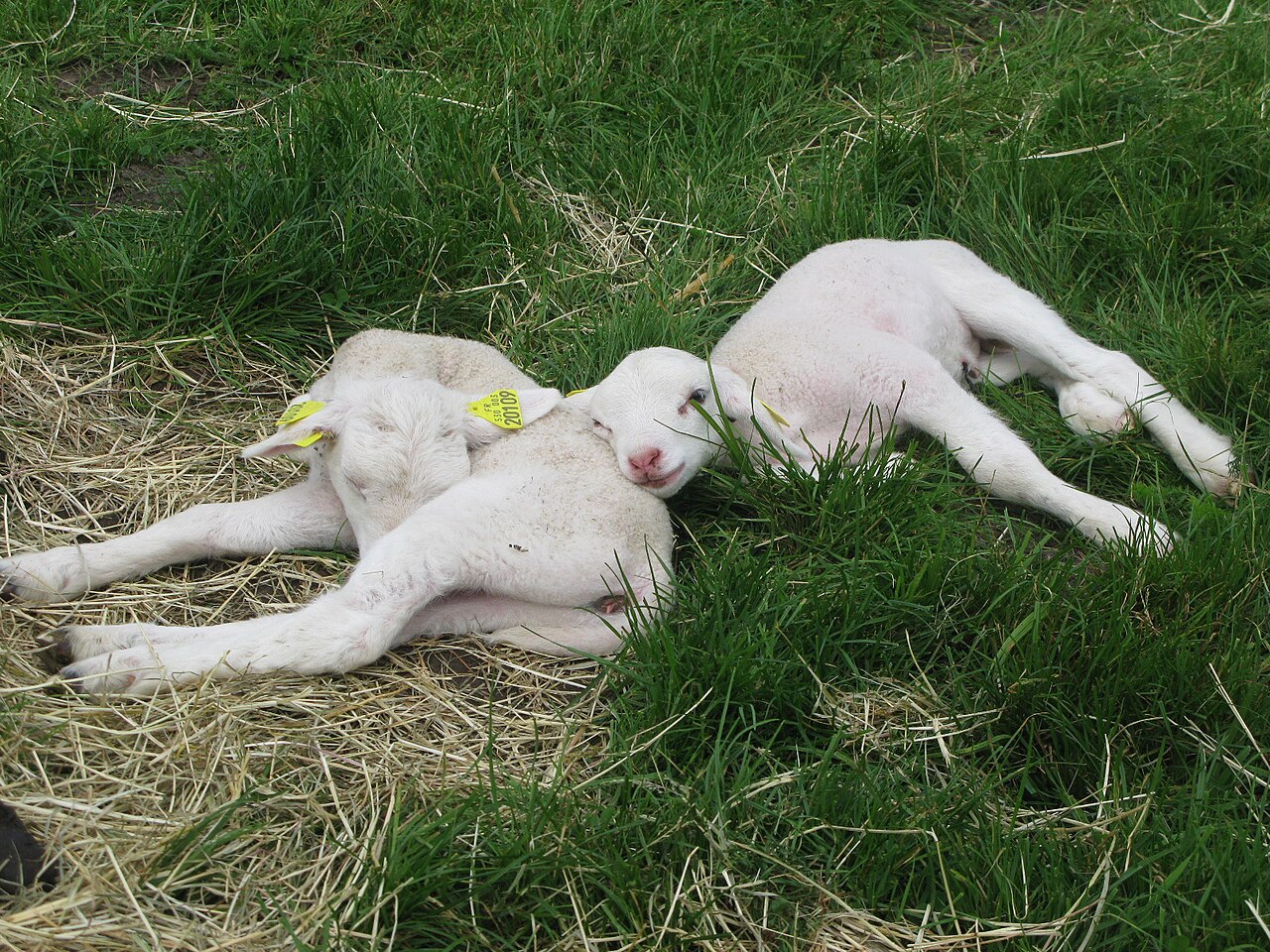
Photo: Jiel Beaumadier / Wikimedia Commons (CC BY-SA 4.0)
Source: Northern Ag Network
Comments
(0)