
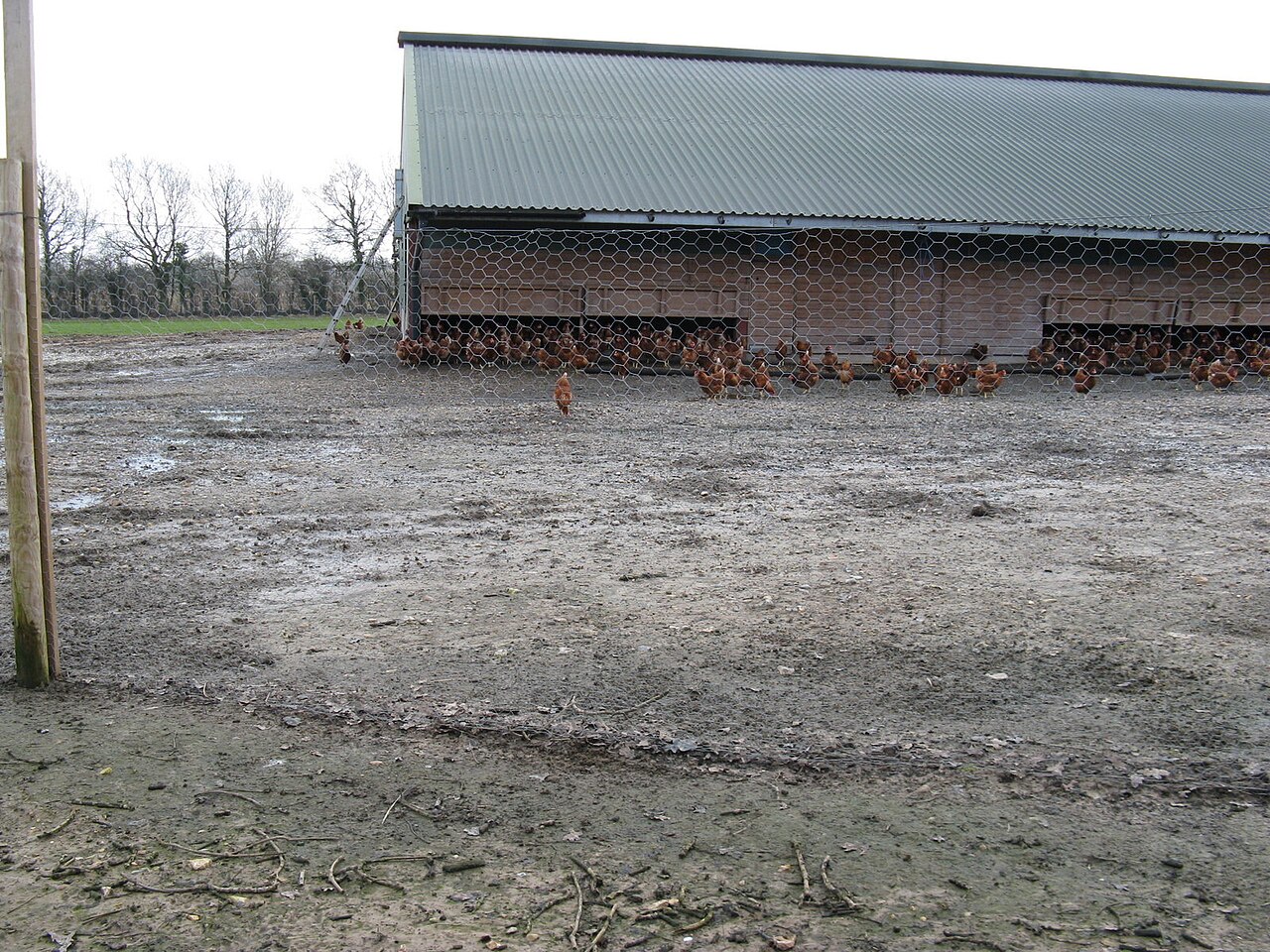
Bird flu is spreading in Europe at its slowest pace since 2020, raising hopes that the EU's poultry industry, worth 27 billion euros ($30 billion), can avoid the crises of past seasons that killed millions of birds, The Poultry Site reports, carrying a Reuters report. History shows the virus could still flare up later in the season.
By 23 November, 51 outbreaks had been found on farms in the EU and UK, according to data compiled by ESA, France's animal health surveillance body. That compares with 330 at the same point last year, and is the lowest since 2020, when 21 had been recorded by this time.
In the United States, outbreaks have also stayed fairly limited this autumn: 88 were confirmed on poultry farms and in backyard flocks between August and 25 November, affecting 6 million birds, US government data show, against 177 outbreaks and 9.5 million birds a year earlier.
A slow start is no promise of a mild season. The 2020/21 season began quietly but became Europe's second-worst bird flu crisis so far, with more than 22 million birds dying or culled. "Avian influenza is really difficult to predict. So there is not a guarantee that being late now means that there might be a lower risk this time than other years," said Nan-Dirk Mulder, a poultry analyst at Rabobank.
Outbreaks in the Northern Hemisphere usually rise with autumn and winter wild-bird migration and often ease in spring, although recent waves have sometimes broken that pattern. Poland, the EU's largest poultry producer, reported its first outbreak in six months last week, at a turkey farm. France, Germany, the UK, the Netherlands, Portugal, Sweden, Bulgaria and Italy have also reported farm outbreaks this season, and some have ordered flocks to be kept indoors.
Highly pathogenic avian influenza has devastated flocks worldwide, disrupting food supplies and raising prices, and cases in mammals, including dairy cows and farm workers in the United States, have raised fears that the virus could mutate and spread between people. "We are very vigilant. When it comes to avian influenza, we must stay very humble. But for now, we are not at all in the kind of crisis situation we faced one or two years ago," said Bruno Mousset, a director at LDC, France's largest poultry group.
Photo: Dave Spicer / Wikimedia Commons (CC BY-SA 2.0)
Reporting: Reuters, via The Poultry Site.
Source: The Poultry Site


Comments
(0)