
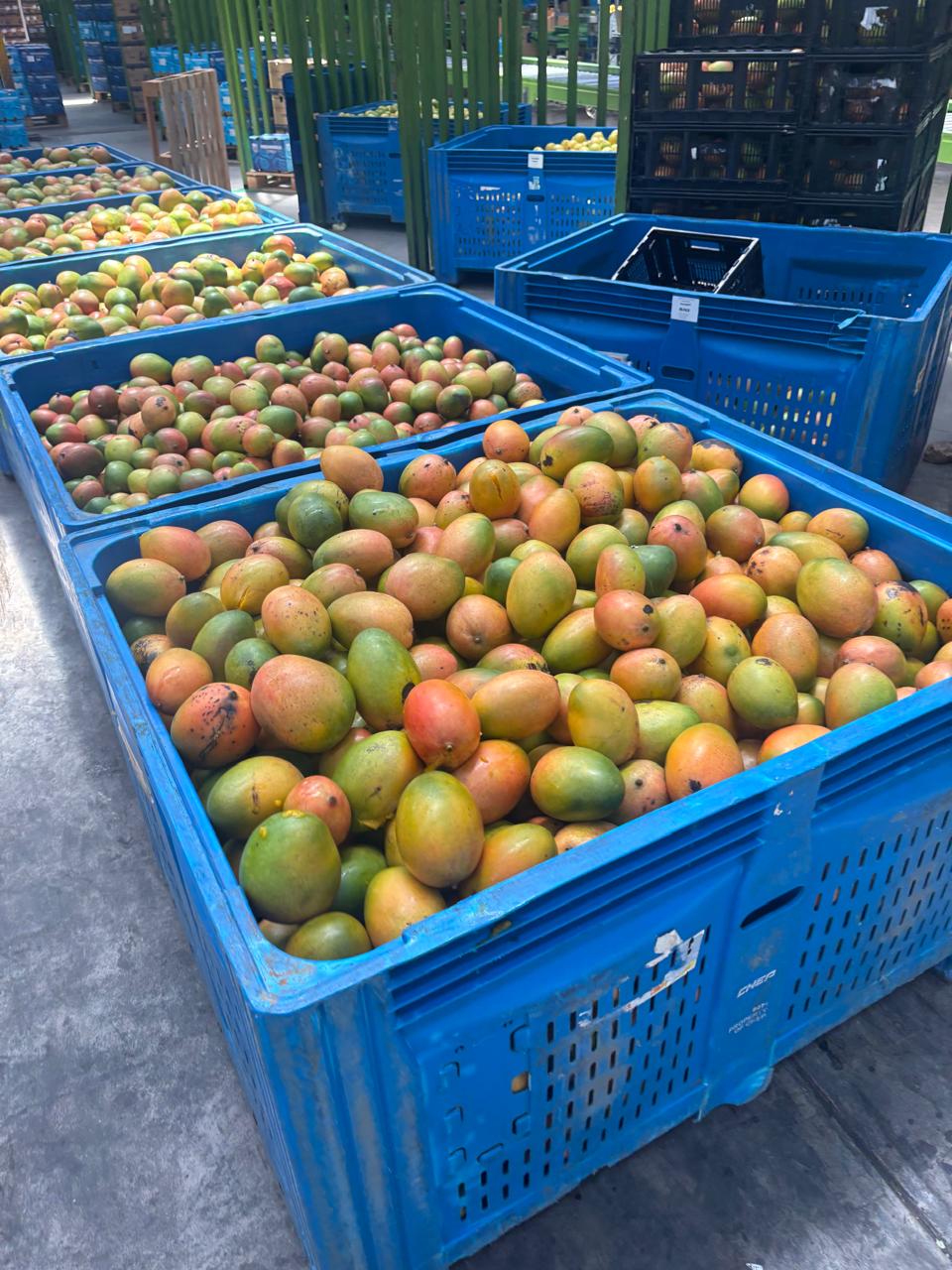
Fruit packhouse operators who want more output should follow the fruit from intake to dispatch and find where it slows before buying new equipment, two engineers told the Packhouse Trade, Tariffs & Investment Conference in Paarl, Western Cape, on 26 and 27 November, Farmers Weekly South Africa's Glenneis Kriel reports.
Norman Nieder-Heitmann, director of Gossamer Packaging Machinery, said a machine's rated capacity does not translate into the same output from the whole packhouse. Variable incoming fruit, operating procedures, interruptions and the capacity of equipment further down the line all affect performance. Drawing on the theory of constraints, he said one bottleneck limits the whole system: "It doesn't matter how hard you work outside of the constraints; you'll get nothing more through the system."
Fixing a bottleneck simply moves the limit elsewhere. More packing capacity, for example, can expose palletising if it cannot handle the extra cartons, so operators have to reassess after every improvement and organise the line around the new constraint. Constraints can also be space, time or missing information, which means carton bases, lids and other materials must be part of line planning.
He described setups that keep machines busy: feeding fruit into automatic packing equipment separately from the sizer's immediate output, so packing stays productive as the fruit mix changes, and holding cartons from slower product lines until a full pallet is ready, so part pallets do not take positions needed by faster lines. Accurate carton identification and tracking direct each carton to the right destination.
Fred Albrecht, chief executive of Logistics Systems Engineering, said storage can become the next limit once fruit is packed. He urged operators to use the full volume of their buildings, including height, before expanding, especially in cold stores, where unused space still has to be cooled, while keeping fast access to stock. "If you don't have a proper warehouse management system, you're going to lose control over your stock, where it is, and where it comes from," he said.
Albrecht recommended tackling clearly defined problems with automation in phases, because doing everything at once is expensive and slow, as long as each step fits a longer-term layout plan. The aim, he said, is to help staff work more productively and safely, not to replace them. For a grower weighing an upgrade, the starting point is to find where movement slows or stops and why, which decides whether the best investment is another machine, a new layout, better information or better use of existing equipment.
Photo: BruceHarryAnderson / Wikimedia Commons (CC0)
Source: Farmers Weekly South Africa


Comments
(0)