
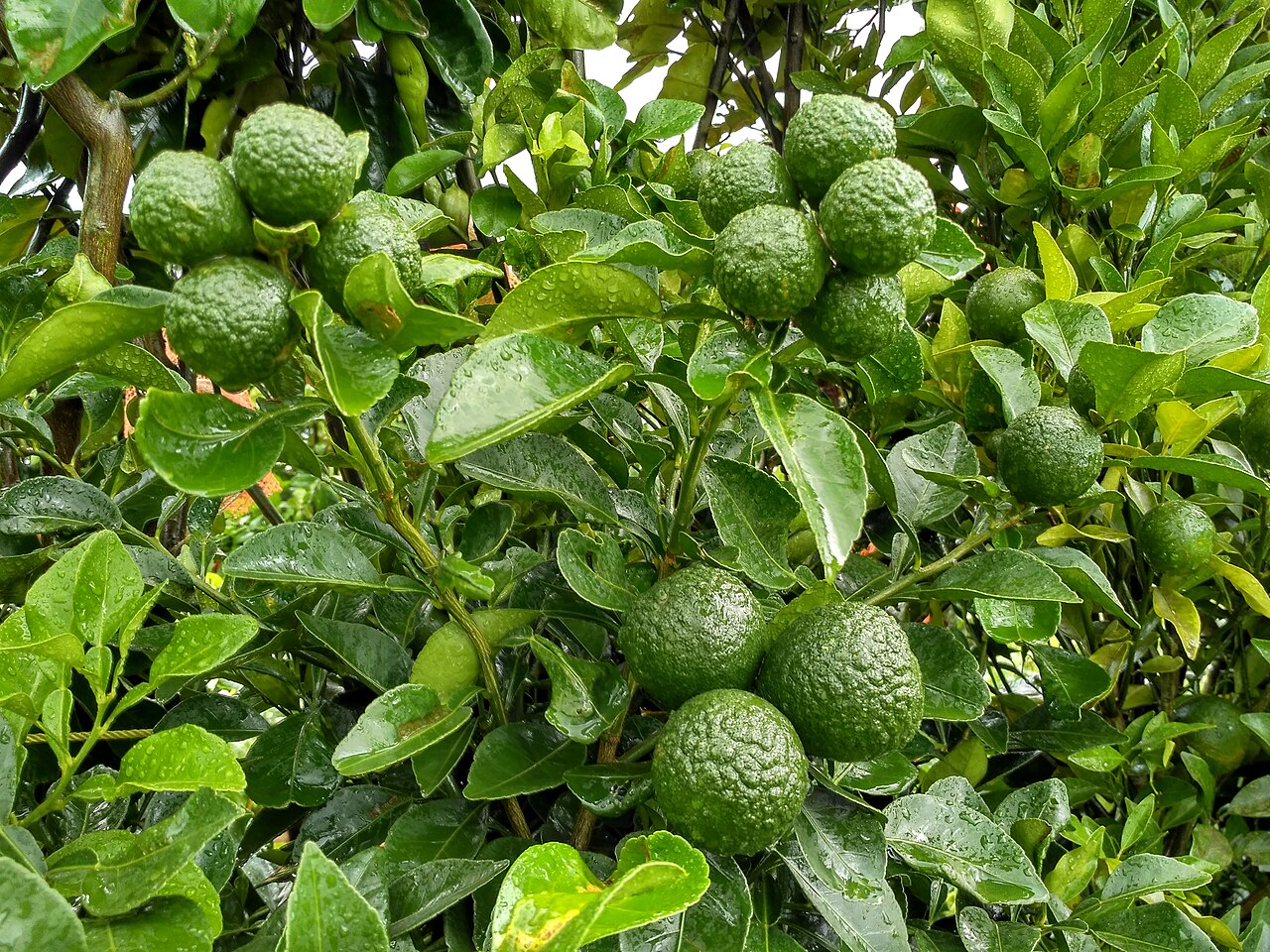
Oranges are usually associated with Bangladesh's hills, but farmer Abdul Gaffar has made them pay on the plains of Ilishpur village in Keralkata union of Kalaroa upazila, Satkhira. In his orchard of about two and a half bighas, 144 trees of the China Three variety are bearing fruit this year, and some seven- or eight-year-old trees have produced one to one and a half maunds (roughly 37 to 56 kg) each.
Gaffar once worked abroad and, after returning, ran an electrical goods business for eight or nine years. Around 2018 a YouTube video on growing China Three oranges caught his interest. He then visited an orchard in another district, tasted the fruit and studied its soil and weather before deciding to plant. During the Covid period he rode about 100 km by motorcycle to bring some 200 grafted saplings from Chuadanga. Some died, and a few trees had to be cut because of shade and building work. The trees began fruiting three years after planting.
He spends about Tk 40,000 a year on fertiliser, pesticide and care, and pays two workers Tk 6,000 to 7,000 a month each to look after the orchard. Last year, with no fence, passers-by picked the fruit; this year a wire fence is up. He is selling oranges from the orchard at Tk 137 a kg to wholesalers who take them to Dhaka, while retail prices are Tk 160 to 200 a kg. He expects to sell Tk 4 to 5 lakh worth this season.
A few farmers in nearby Deara, Khordo and Salimpur also grow oranges. Md Sumon Mia, selling local oranges at Tk 160 a kg beside the road in the upazila town, said they can be sold for about three months each season.
According to the district office of the Department of Agricultural Extension, 65 farmers in Satkhira grow oranges on 10 hectares, the same area as last year. At an average yield of 11 tonnes a hectare, the district produces about 110 tonnes a year. Deputy director Iqbal Ahmed put income from one bigha at Tk 176,040 against a production cost of Tk 55,000, a possible profit of Tk 121,040.
Mrinal Kanti Mondal, sub-assistant agriculture officer in Kalaroa, said China Three and mandarin oranges suit the area's relatively warm, humid climate, and that higher output could reduce dependence on imported oranges. But he advised farmers not to start on the strength of a YouTube video alone, and to learn about soil, weather, varieties and methods and take the agriculture office's advice first. Gaffar has already planted new saplings on another one and a half bighas next to the orchard. The report is by Prothom Alo's Imtiaz Uddin.
Photo: Salim_Khandoker / Wikimedia Commons (CC BY-SA 3.0)
Source: Prothom Alo


Comments
(0)