
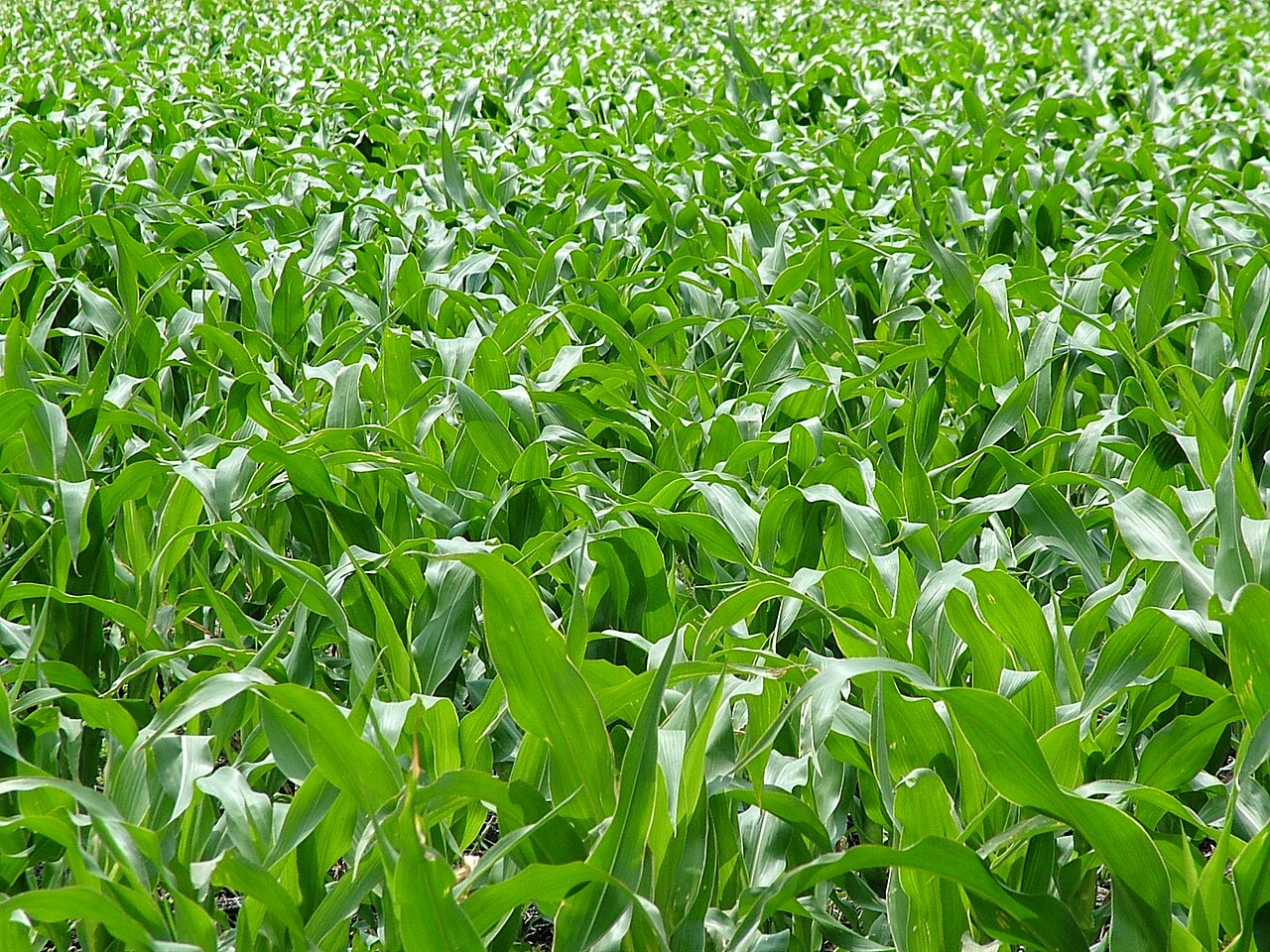
South Africa's record maize harvest is giving livestock and poultry producers some relief, but the possible return of El Niño, higher fuel costs and other input pressures could limit how much of the cheaper maize reaches the price of feed. Absa's AgriTrends Spring 2026 edition expects the maize market to stay adequately supplied for the rest of the marketing season on record production and large carryover stocks, holding prices down in the near term, with attention turning to weather risk in the 2026/27 season.
Anina Hunter, feed director at Epol, said the record harvest had created a favourable supply-demand balance. "Where there is greater availability of a key feed ingredient such as maize, this can help ease input costs for feed manufacturers and, in turn, provide some relief to livestock producers," she said, while cautioning that lower maize prices do not translate one-for-one into cheaper finished feed, since manufacturers also carry other raw materials, procurement, manufacturing and logistics costs in volatile markets. Feed is about 70 percent of a livestock producer's input costs, she said, and softer commodity prices had already lowered feed selling prices in the past financial year.
Poultry producer and abattoir owner Jeremiah Jotham said the surplus would ordinarily point to a sharp drop in feed costs: "If there were no El Niño projections and no indication that we could face a drought, I think we should see a very drastic drop in feed costs." But farmers may need to build reserves if drought comes, and higher fuel prices are adding to production costs, so he expects feed to hold around current levels or rise slightly depending on the drought's severity, an assessment he stressed was personal rather than a forecast.
Jotham argued that integrating poultry farms, abattoirs, rendering plants and feed mills would change the economics for smaller producers, with abattoir waste such as blood processed into blood meal: "If all the waste that we have from the abattoir goes to the rendering plant, and from the rendering plant to the feed mill, the only thing we then have to buy may be maize." For feed buyers in Bangladesh, where maize is imported at world prices, South Africa's surplus is part of the same global supply that has kept feed-grain prices soft this year.
Photo: Lotus Head / Wikimedia Commons (CC BY-SA 3.0)
Source: Food for Mzansi

Comments
(0)