

South African grain farmers are heading into planting with rising input costs, large domestic stocks and uncertain export markets, and many are weighing their mix of maize, soybeans and sunflower, a grains and oilseeds webinar hosted by the National Agricultural Marketing Council (NAMC) and the department of agriculture heard.
Heleen Viljoen, an economist at Grain SA, said maize, the country's largest crop at more than 17 million tonnes in a good season, is in surplus. Farmers are asking whether it can be exported quickly enough, particularly if El Nino cuts the coming harvest. "If we sit with a massive surplus locally, even if we have lower production, there will still be enough stock in the market," she said, which could limit the price rise farmers would normally expect from a smaller crop.
Costs are the other worry. Viljoen said fertiliser prices have risen by about 140% since 2019, herbicides by about 15% and diesel by 83%, while commodity prices have not kept pace, squeezing margins. She said this is influencing what producers plan to plant for both white and yellow maize.
Soybeans have expanded significantly over the past decade, and sunflower remains the main alternative to maize in the summer grain areas, giving farmers room to shift their plantings as they balance costs, stocks and the weather outlook. The report is by Patricia Tembo.
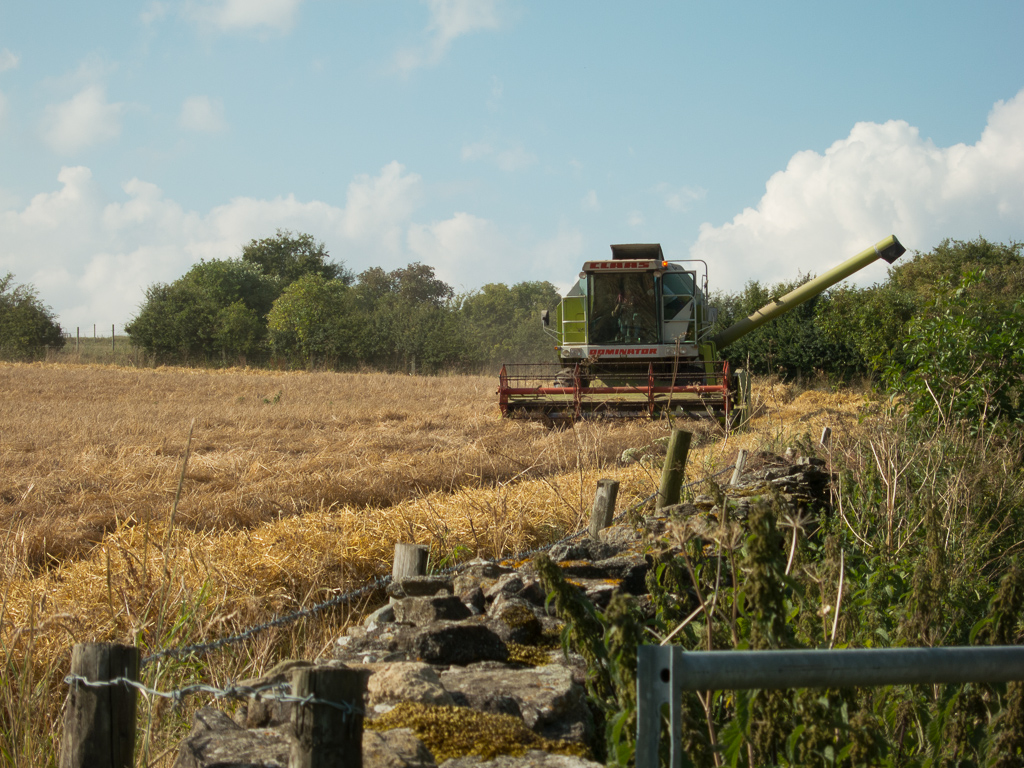
Photo: Ossewa / Wikimedia Commons (CC BY-SA 3.0)
Source: Food for Mzansi

Comments
(0)