
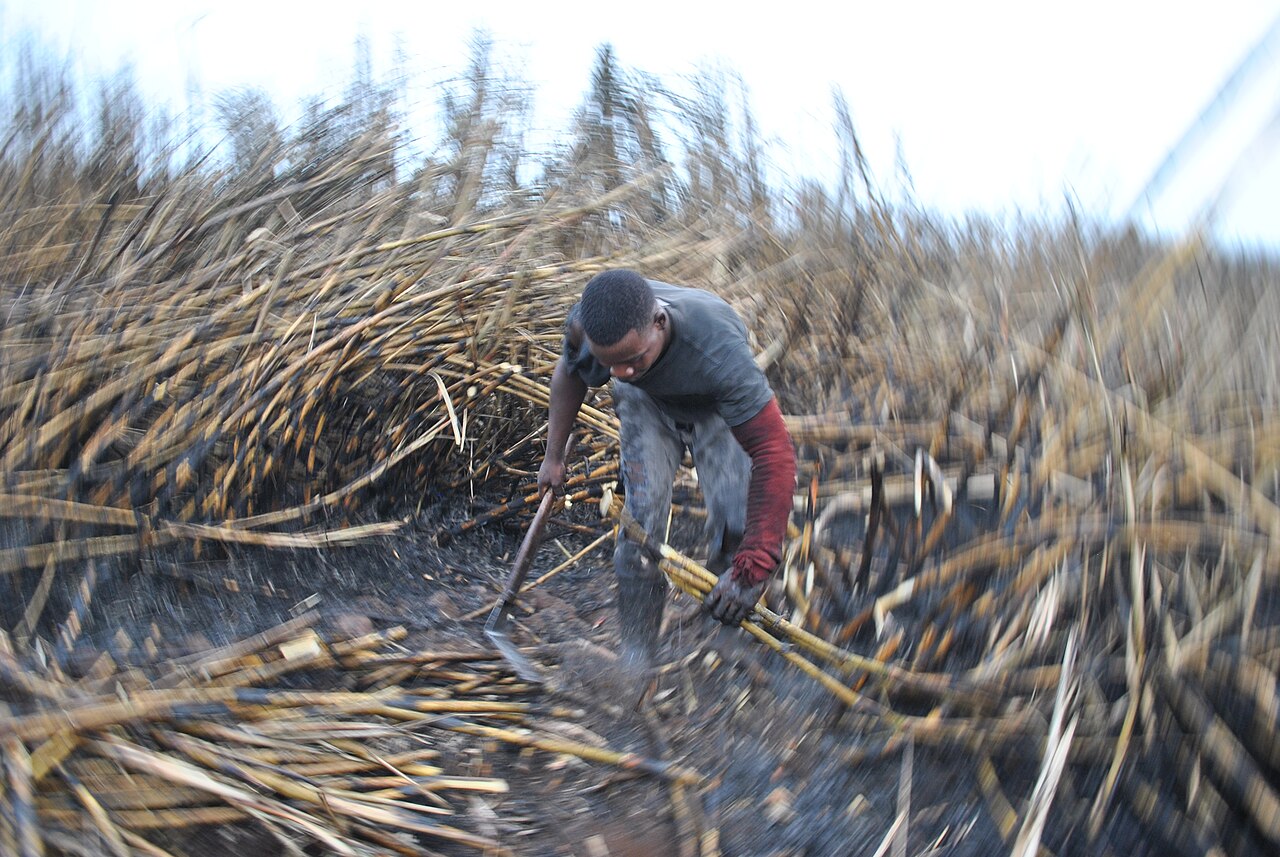
SA Canegrowers, which represents South Africa's sugarcane farmers, has called on Finance Minister Enoch Godongwana to use the medium-term budget policy statement, due in parliament on Wednesday 21 October 2026, to scrap the health promotion levy, commonly known as the sugar tax.
The organisation says the levy, introduced in April 2018, has done severe damage to the industry. It cites a Nedlac-commissioned study which found that by 2019 sugarcane farming and milling had lost 16,000 jobs, and that sugar sales fell by 250,000 tons in the levy's first year. It also blames the tax for multi-billion-rand revenue losses and for contributing to the permanent closure of two mills in KwaZulu-Natal.
Growers say they now face several crises at once. Cane delivered to mills this season is down 18% on last season, and the recoverable value extracted from that cane is down 17%. The milling season may run longer than usual, but if crushing volumes do not recover, smaller harvests will mean losses for growers. Two years of foreign sugar entering the country through weak tariffs and enforcement, and the business rescue process at Tongaat Hulett, add to the pressure, the group says, while the tax continues to push beverage makers away from local sugar.
"Less cane is reaching the mills, and local sugar processed at the mills is being displaced from retail shelves by foreign sugar," said SA Canegrowers chairman Higgins Mdluli. He said growers and millers had committed to the Sugarcane Value Chain Master Plan but needed the same commitment from government policy, and that the levy blocked the long-term capital needed to diversify.
The industry supports more than a million livelihoods, according to SA Canegrowers, including more than 27,000 small-scale growers as well as farmworkers, cane cutters, mill staff and the businesses that transport and sell sugar. Mdluli urged President Cyril Ramaphosa's government to scrap the tax entirely so the industry could focus on new initiatives, including a role in green industrialisation.
Photo: Helena Hugo / Wikimedia Commons (CC BY-SA 4.0)
Source: Food for Mzansi

Comments
(0)