
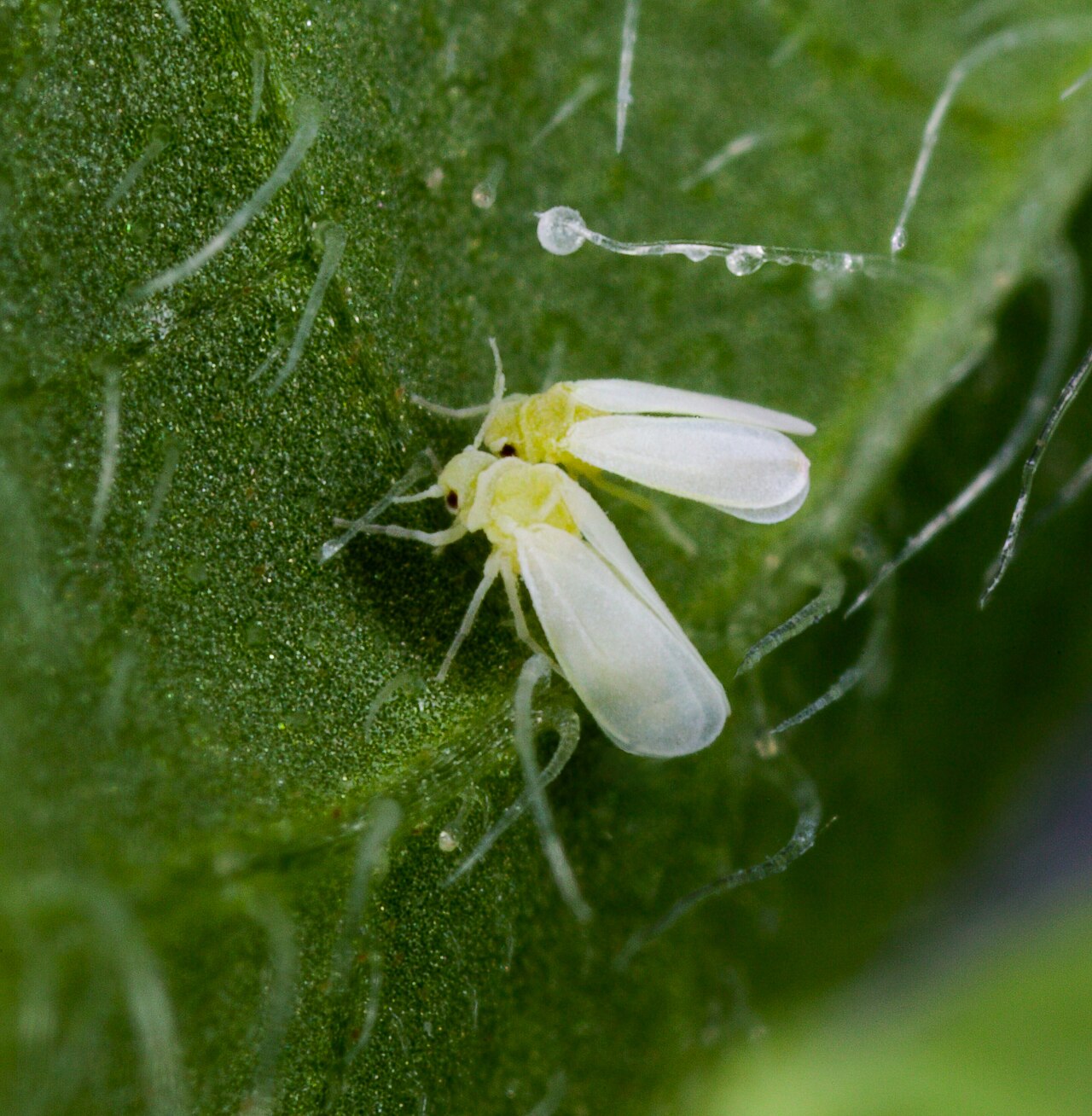
SOLASTA Bio, a company developing insecticides made from small peptides, has submitted its first product for registration in the United States. Regulatory packages for the peptide active ingredient and its first end-use product, aimed at aphids and whiteflies, are now under review at the same time by the US Environmental Protection Agency (EPA) and the California Department of Pesticide Regulation (CDPR), AgriBusiness Global reported.
The submission builds on the EPA's earlier classification of the company's lead peptide as a biochemical, a designation that offers a faster and cheaper route to approval than the one conventional insecticides must follow. The first registration will cover aphid control in leafy greens and vegetable crops.
The active ingredient is a nature-identical peptide chosen for its consistent effect on aphids across several crops in field and greenhouse trials. According to the company, it targets pest species while leaving bees and other beneficial insects unharmed, does not build up in the environment and has shown no effect on plant health. SOLASTA Bio is also asking the Insecticide Resistance Action Committee (IRAC) to recognise it as an entirely new mode of action, which would give growers another product to rotate as aphids and whiteflies grow resistant to existing chemistry.
In early October the company held its second field demonstration for investors and partners in Georgia, in the United States, testing the aphid product and other peptides against aphids, whiteflies and caterpillar pests on different crops. Whitefly numbers there were reported locally to be at levels not seen in more than a decade. Treated plots still showed visibly less leaf-feeding damage and healthier, more vigorous plants, the company said.
"Submitting our first product for registration in the US is a defining moment for SOLASTA Bio," said Shireen Davies, its chief executive and co-founder. She said visitors saw for themselves in the field what the company's trial data had shown across crops and regions.
Founded in 2020, SOLASTA Bio raised an oversubscribed $14 million Series A round in 2024 from investors including Forbion BioEconomy Fund, Corteva Catalyst and FMC Ventures, and holds patents in the US, Europe and other markets. For vegetable growers fighting resistant aphids and whiteflies, a new biochemical mode of action would be one more tool once regulators approve it. The story was written by Matt Hopkins.
Photo: Adult silverleaf whiteflies (Bemisia tabaci), Stephen Ausmus, USDA / Wikimedia Commons (public domain)
Source: AgriBusiness Global

Comments
(0)