
Citrus growers in Florida are planting trees grafted on a gene-edited rootstock designed to withstand citrus greening, the bacterial disease that has wiped out much of the state's industry since it arrived in 2005. The US Environmental Protection Agency approved the modification earlier this year, and growers are now waiting to see whether it keeps trees alive where tents, sprays and everything else have failed.
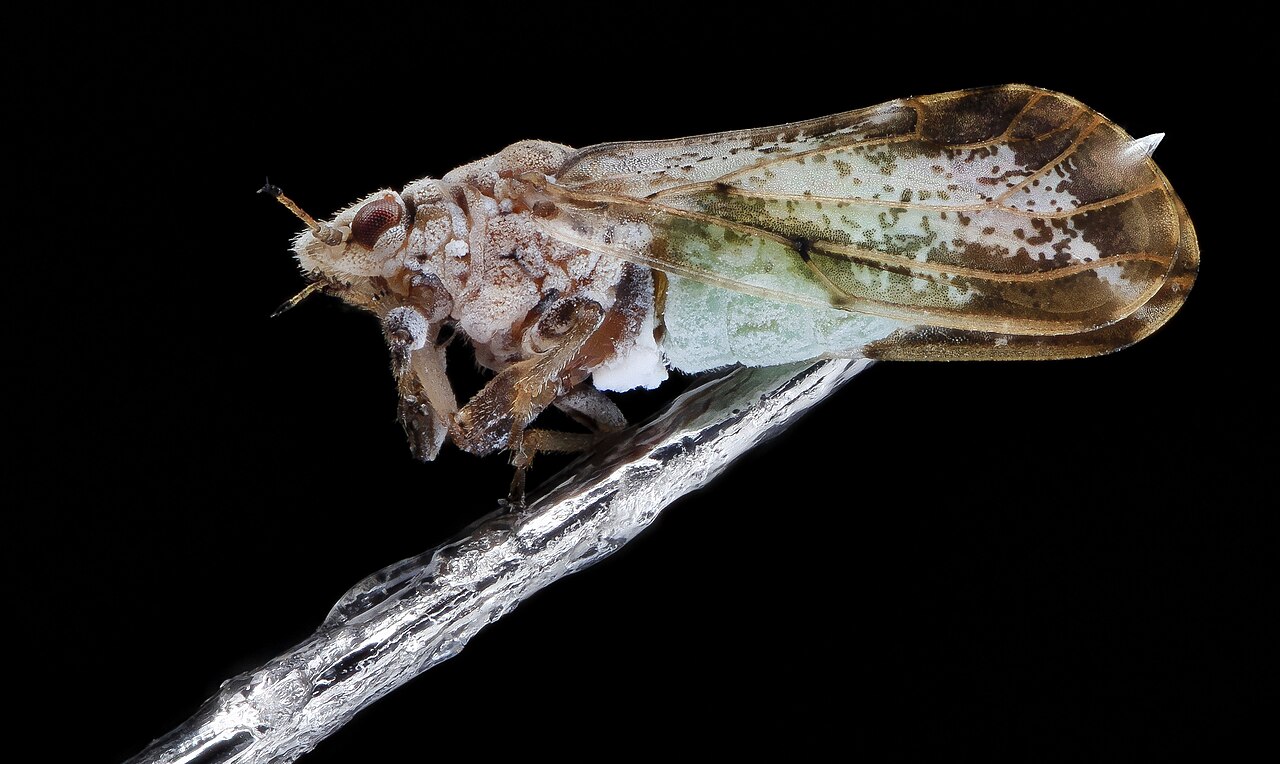
Greening is spread by the Asian citrus psyllid, a tiny winged insect. The bacterium attacks the tree's immune system, fruit turns bitter and discoloured, and the tree usually dies within a few years; there is no cure. Matt Joyner, chief executive of the growers' association Florida Citrus Mutual, said Florida shipped around 300 million boxes of fruit a season in the late 1990s and a little more than 15 million in the season that ended in June. Ron English's family citrus business in Valrico closed in 2015 after greening destroyed groves he called some of the best around.
Soilcea, based in Tampa, used CRISPR editing to develop a rootstock, CarriCea T1, that keeps the tree's immune system working so growers can lean less on insecticide. Chief executive Yianni Lagos said the roots are the key: although yellowing leaves are the first visible sign, "before you even have symptoms, half the root system is already dead".
In Soilcea's test field, trees on the edited rootstock, planted last summer beside unmodified controls, are taller with larger, greener leaves, while neighbouring trees show the yellowing of disease working through them, said English, who tends the plot. The real test is the fruit, which will take years to appear and must be judged on taste as well as growth. "The data suggests it's gonna work, but until you have a 10-year-old tree, you don't know how the tree is going to perform," Lagos said.
Photo: USGS Bee Inventory and Monitoring Lab / Wikimedia Commons (public domain)
Source: AgroPages
Comments
(0)