
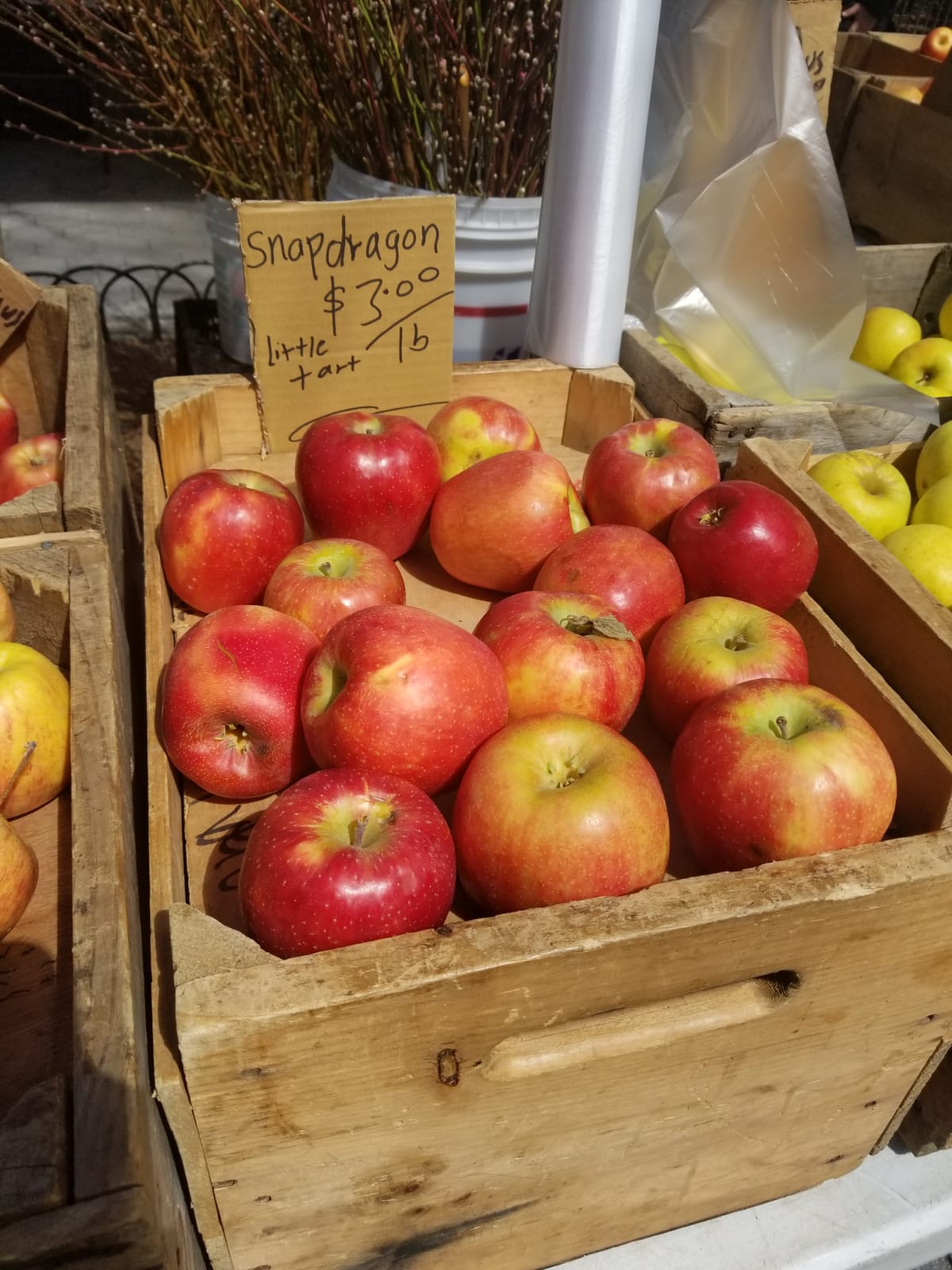
Researchers at Cornell University have found a storage method that sharply reduces internal browning in SnapDragon apples, a defect that is usually invisible until the fruit is cut and that can lead to rejected shipments and losses for growers.
The method uses dynamic controlled atmosphere (DCA) storage, which keeps oxygen at very low levels, combined with a slightly warmer storage temperature. Apples held at 42°F with oxygen at 0.5% and carbon dioxide at 1% showed about 97% less internal browning than apples in conventional storage at 38°F. After nine months, fewer than 1% of the treated apples had browned, compared with roughly 25% under the usual conditions.
"Using DCA storage technology to maintain very low oxygen levels helps stabilize fruit metabolism, reducing cellular damage that leads to browning," said Yosef Al Shoffe, senior research associate in Cornell's School of Integrative Plant Science, who ran the experiments with fruit from commercial orchards in the Hudson Valley and western New York.
Because it works within existing controlled-atmosphere storage rooms, Al Shoffe said the approach is practical and immediately usable by commercial operations. The method also did better than treatment with 1-MCP, an ethylene inhibitor, which increased internal browning in SnapDragon. Commercial trials at storage facilities across New York confirmed the results.
SnapDragon was bred in Cornell's apple programme by Susan Brown from a cross between Honeycrisp and NY752 and introduced in 2013. It is known for a crisp texture and a sweet-spicy flavour, qualities the new storage regime is meant to protect through long storage.
Jim Bittner, president of Bittner-Singer Orchards and executive director of the New York State Horticultural Society, said this kind of applied research is why Cornell's apple programme matters to growers. The researchers now plan further tests across growing locations, harvest maturity stages and storage durations to see how widely the technique applies.
Photo: Relspas / Wikimedia Commons (CC BY-SA 4.0)
Source: Farms.com
Comments
(0)