
Sitesh Ranjan Deb, the founder chairman of the Bangladesh Wildlife Service Foundation in Sreemangal, Moulvibazar, and one of the best-known faces of Bangladesh's wildlife-conservation movement, has died. He breathed his last at his home in Sreemangal on the morning of Tuesday, 14 July 2026. He was 75.
The conservationist, widely known as "Sitesh Babu", died at about 9am. According to his grandson, Rajdwip Deb, his condition worsened suddenly that morning; the family set out to take him to hospital, but he died on the way. He had long suffered from diabetes and other age-related complications and had been receiving treatment at home. His funeral rites were held at around 2pm in his home village of Noagaon.
For decades Sitesh Ranjan Deb had rescued, treated and rehabilitated injured, sick and endangered wild animals from the forests, tea gardens and villages around Sreemangal, turning the grounds of his own home into one of the most unusual private wildlife-rescue centres in Bangladesh. His death closed a chapter in the story of grassroots conservation in the country's northeast.
Born into a family of hunters
Sitesh Ranjan Deb was born in 1950 or 1951 in Sreemangal itself, into a family of hunters. His father and grandfather were known in the Sreemangal area for killing leopards, wild boars and other animals that threatened people or crops. In those days hunting was not illegal in the country, and the family built its reputation as professional hunters and wilderness guides.
From boyhood Sitesh Ranjan went into the forest with his father. He kept hunting after his father died, and he also worked as a gunsmith and a guide. The dense semi-evergreen forests, tea gardens and low hills of this corner of Sylhet division were his everyday world. The deep knowledge of animal behaviour, movement and habitat that he gained as a hunter was the very knowledge he would later put to work in protecting wildlife.
That shift, from seeing wild animals through a hunter's eyes to seeing them through a rescuer's, did not come easily. The turning point in his life arrived suddenly, deep inside the forest.
The bear that changed his life
In 1991, deep in the forest, Sitesh Ranjan Deb unexpectedly came face to face with a bear. He was mauled badly, losing part of his face and his right eye. He managed to shoot the bear, but he himself was so severely injured that he spent three months in hospital.
That encounter changed the course of his life. After he recovered, he gave up hunting and devoted himself to rescuing injured and endangered animals. The hands that had once held a gun now nursed injured birds, snakes and wild animals. Removing snakes that strayed into homes, treating animals recovered from traffickers and returning them to the forest once they had healed became his daily work.
A 2010 Al Jazeera report described Sitesh Ranjan Deb as a champion conservationist in Bangladesh, under the headline "From hunter to wildlife protector". It was this story of transformation that earned him recognition at home and abroad.
A sanctuary grows at Sreemangal
Sitesh Ranjan turned the grounds of his own home into a wildlife-treatment centre, which grew into the Bangladesh Wildlife Service Foundation (also known locally as the Banyaprani Seba Foundation). Set up at Rupashpur in Sreemangal upazila of Moulvibazar, the centre became one of the country's best-known privately established wildlife-rescue institutions. According to a 2013 report, it had been founded some 22 years earlier, which places its beginnings around the time he gave up hunting.
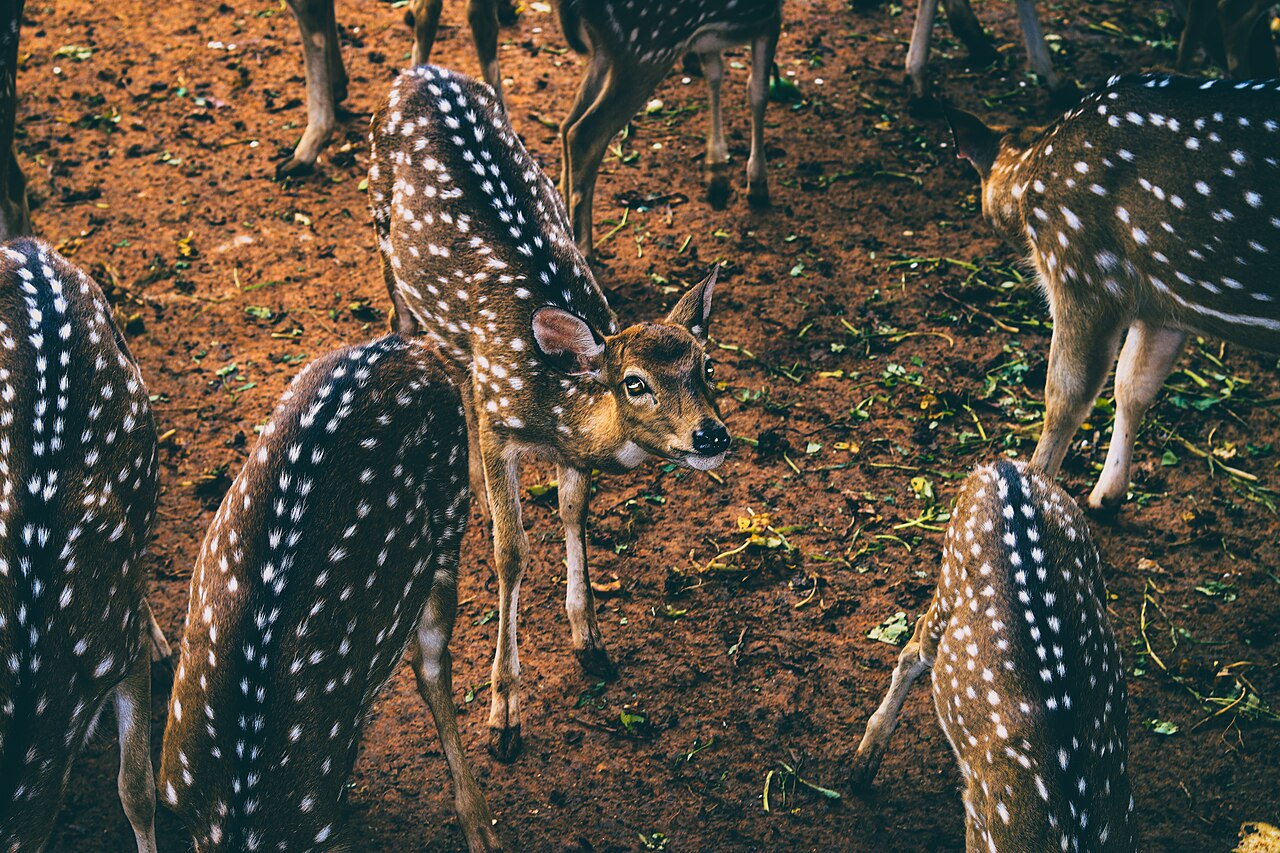
The centre was also, in effect, a small zoo that the public could visit. The same 2013 report said it was open to visitors every day from 8am until the evening. Visitors could feed hog deer by hand; they could see mynahs that spoke Bangla words, along with doves, jungle fowls, greater hornbills, water hens and pigeons. There were fruit-eating golden tortoises that could climb trees, flying squirrels said to glide 300 to 400 feet, a white tiger, two bears, a pair of pythons, Himalayan palm civets, hanuman langurs, porcupines and cobras.
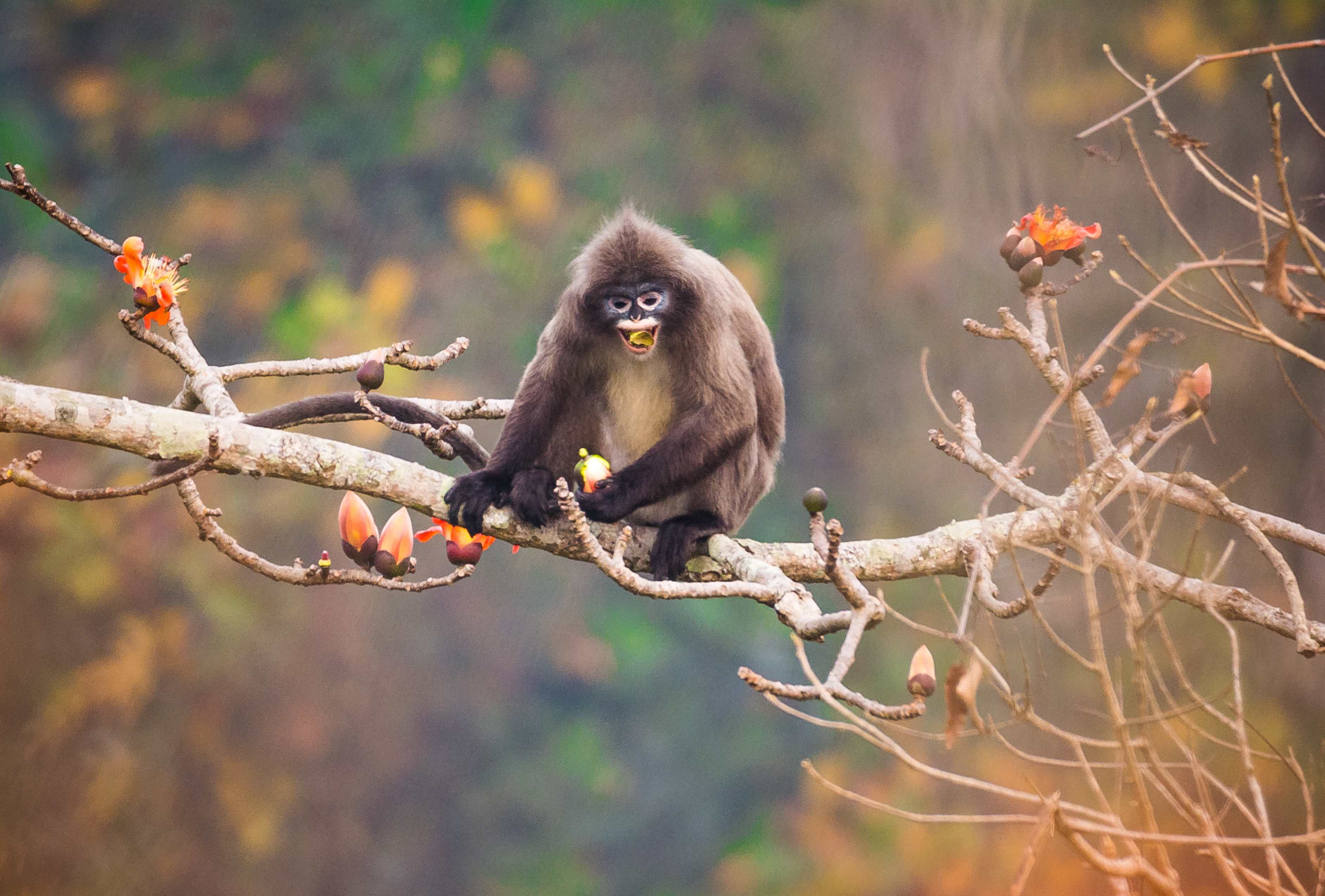
That report also noted that a female python at the centre had laid 38 eggs about six years earlier and 40 more in the June of the previous year; the hatchlings were released into the Lawachara forest. To meet the centre's costs Sitesh Ranjan relied heavily on fish farming, since the work ran largely on his own effort and means. He raised two bears, which he named Rambo and Jumbo, and he once nursed back to health an infant Phayre's leaf monkey recovered from floodwater.
For local people, and especially for children, the place was also one of wonder and learning. Visitors could watch mynahs that mimicked Bangla words, tortoises that climbed trees and flying squirrels that glided from branch to branch, and could feed hog deer from their hands. By letting people see living wild animals up close, the centre quietly made the case for protecting them, which was exactly the argument Sitesh Ranjan tried to carry to the officials, journalists and villagers he invited to his public releases.
More than three thousand animals rescued
The 2010 Al Jazeera report said that Sitesh Ranjan Deb had by then rescued and freed more than 3,000 animals, including leopards, pythons and wild boars. The number of animals his centre rescued, healed and released had crossed three thousand. The centre also hosted rare animals, including the first recorded Burmese ferret-badger in Bangladesh.
There was a particular poignancy in the animals he came to protect. His father and grandfather had been known for killing leopards and wild boars that strayed near people and crops, and the Al Jazeera report noted that Sitesh Ranjan himself had freed leopards, pythons and wild boars among the thousands he rescued. In a single lifetime the hunter's grandson had turned the family's intimate knowledge of these animals from a means of killing them into a means of saving them.
Forest officers, police, local residents and wildlife groups would call on Sitesh Ranjan whenever an animal was in distress. His centre treated jungle-cat cubs, pythons, slow lorises, monkeys of several kinds, birds and bears. He often released recovered animals in public, inviting officials, local representatives, journalists and villagers so that the message of protecting wildlife would spread.
His devotion to animals amounted to an almost solitary struggle. Asked how he had kept the work going despite a lack of proper funds or official support, his simple answer was that "you just do it" (as quoted in a Mongabay report published after his death). He also repeatedly called for steady financial and official support for his centre.
When a journalist visited in 2010, Sitesh Ranjan was described tending to his animals at speed, moving from one to the next. Because he was so widely trusted, his home became the first place many people in the area thought of when they found an animal in distress. He treated what he could, kept those that could not survive in the wild, and returned the rest to the forest once they were strong enough. Fish farming on his own land helped pay for the feed, medicines and enclosures that the work demanded.
Sreemangal and Lawachara: a cradle of wildlife
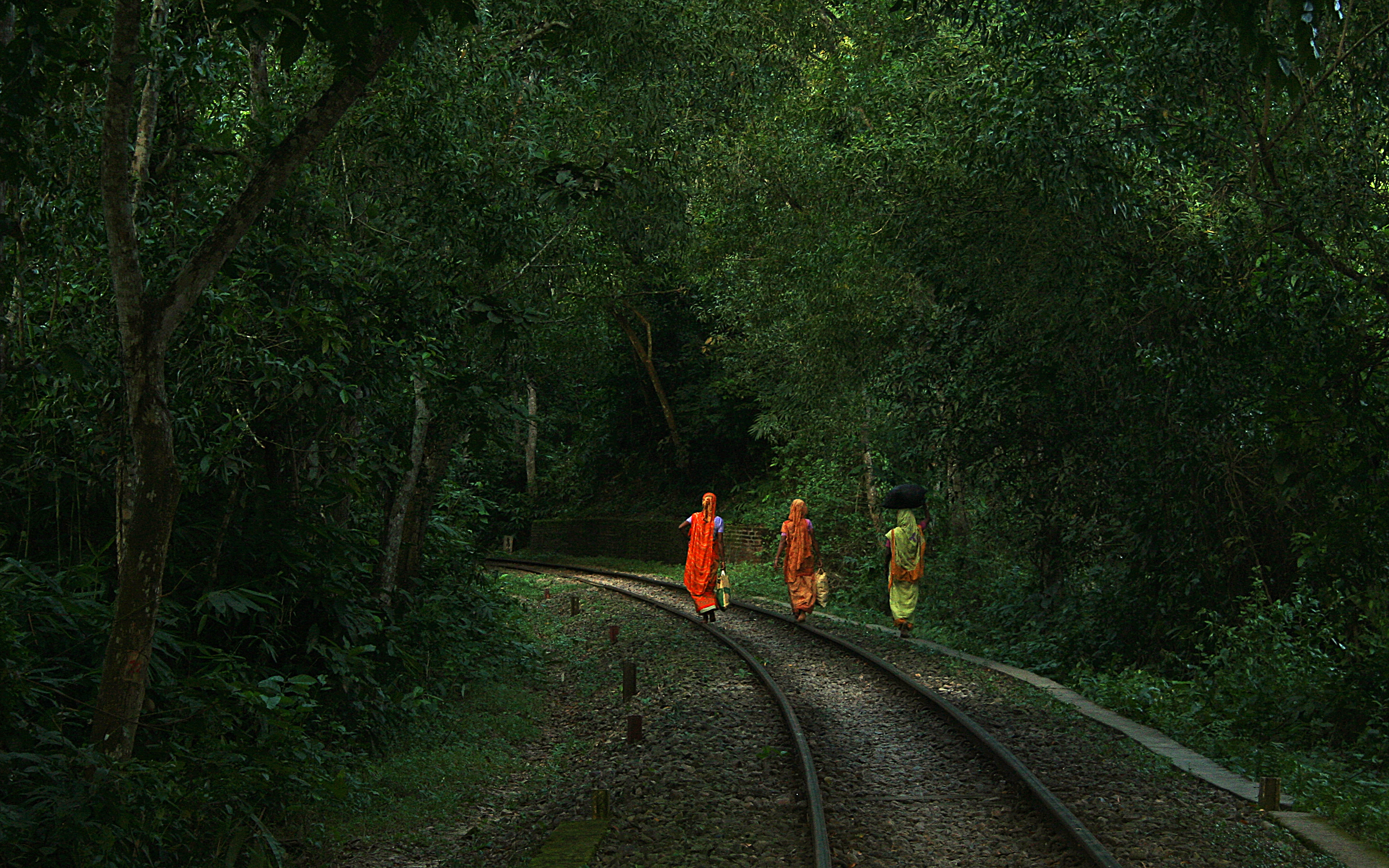
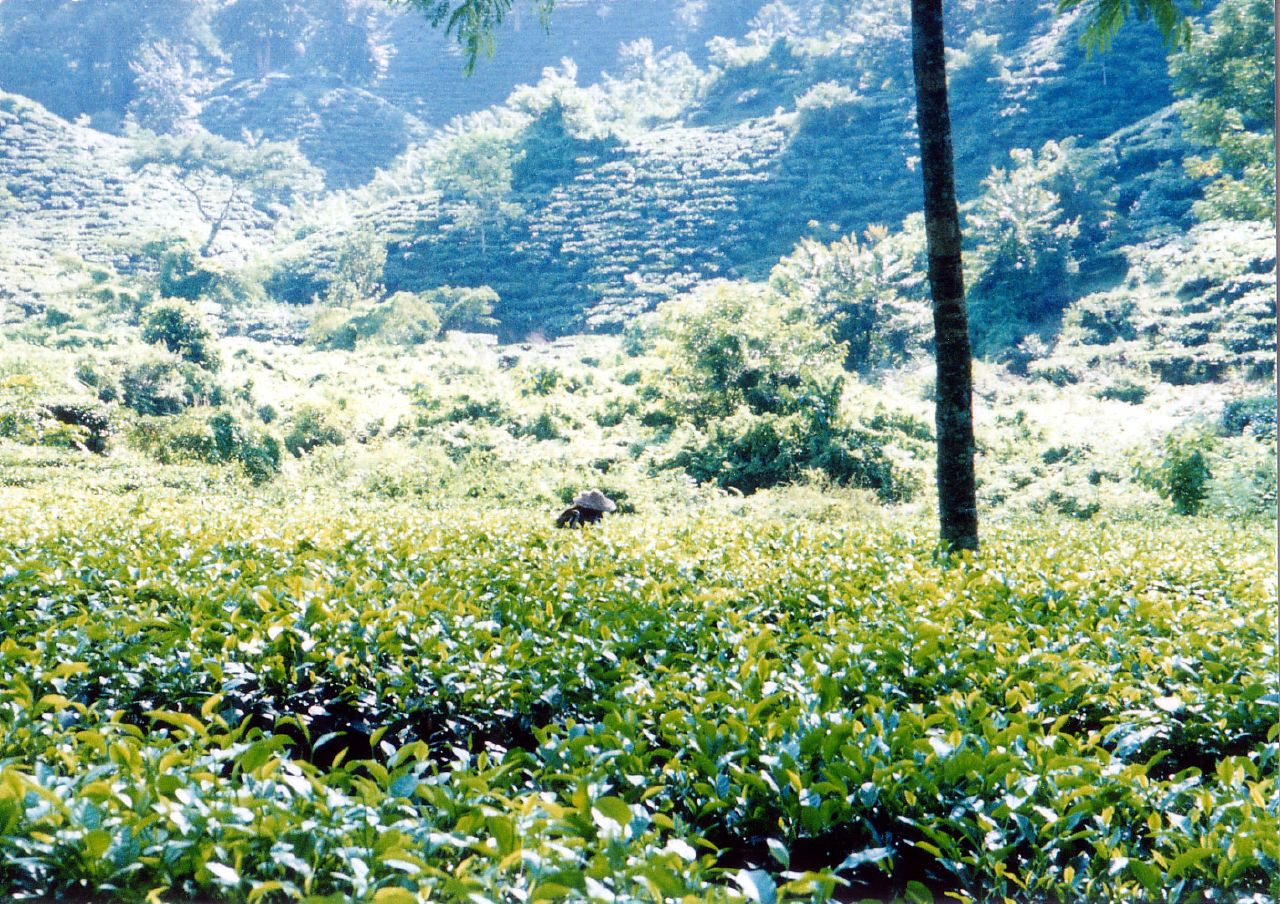
Sreemangal, where Sitesh Ranjan worked, lies in Moulvibazar district of Sylhet division and is known as the heart of the country's tea industry. The region's dense forests, tea gardens and hills are among the last refuges for many threatened species. About 8 kilometres from Sreemangal, and roughly 160 kilometres northeast of Dhaka, lies Lawachara National Park, one of the region's most important wildlife habitats.
Sreemangal itself is often called the "tea capital of Bangladesh" and is home to the Bangladesh Tea Research Institute. The upazila covers about 450.73 square kilometres and had a population of some 361,801 at the 2022 census. Beyond its tea gardens, the area is rich in wetlands and forests: Madhobpur Lake, a popular spot, is cited as the only confirmed site in Bangladesh for the great white-bellied heron, while the nearby Baikka Beel and the wider Hail Haor wetland draw many waterbirds. It was here, at Rupashpur in Sreemangal, that Sitesh Ranjan Deb ran his mini-zoo and rescue centre.
Lawachara National Park covers about 1,250 hectares (12.5 square kilometres). It was declared a national park on 7 July 1996 under the Wildlife Act of 1974. It is mainly semi-evergreen and mixed deciduous forest; most of it is secondary forest, though patches of remnant primary forest survive. Around 460 species have been recorded there.
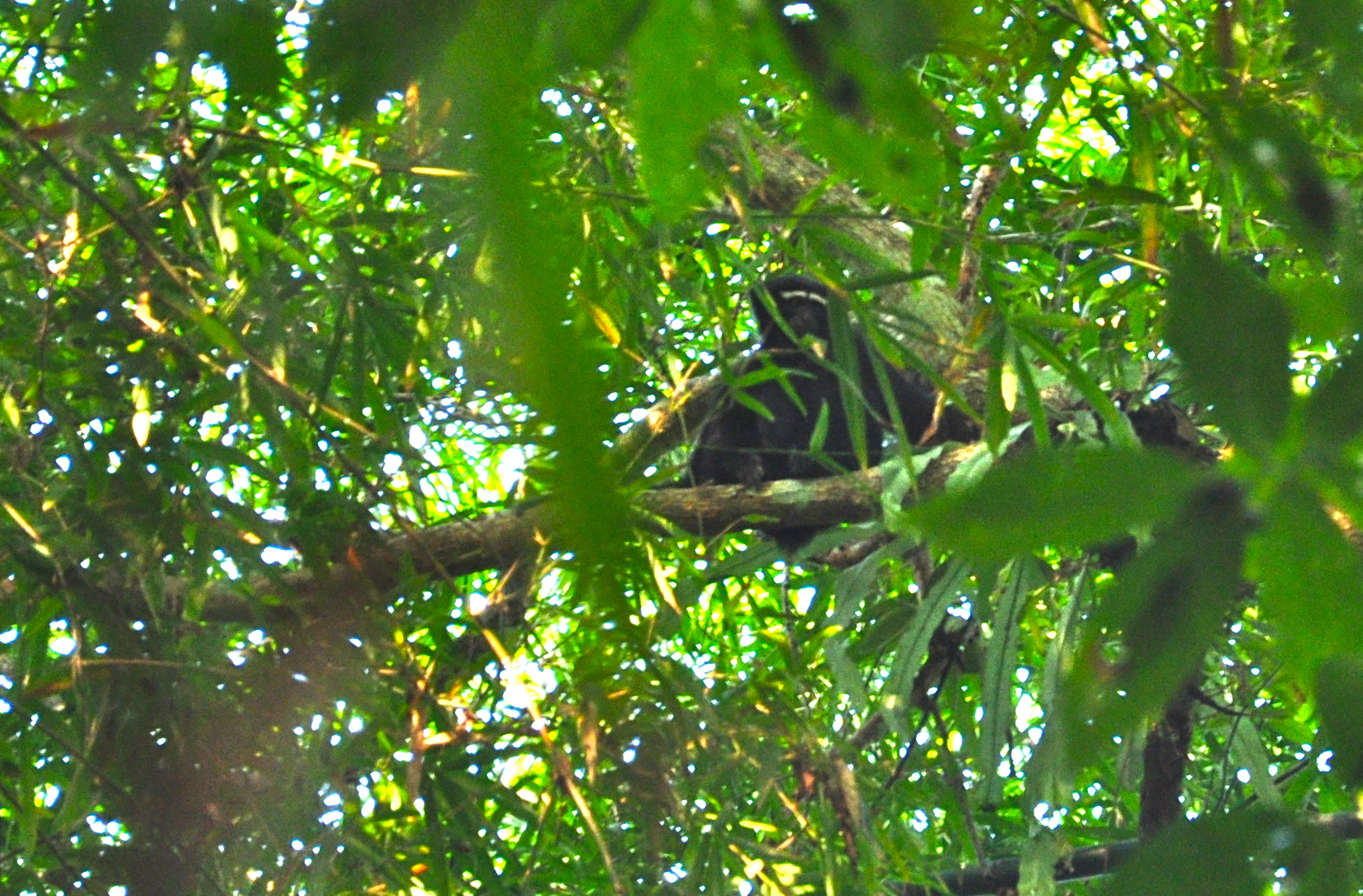
The park is home to six non-human primate species, among them the western hoolock gibbon, the Phayre's leaf monkey, the capped langur and the Bengal slow loris. A 2007 census counted 62 hoolock gibbons in 17 groups across Lawachara and the adjoining West Bhanugach Reserved Forest. The park also holds 246 bird species, 20 mammal species and six reptile species, including the Burmese python. Many of the animals Sitesh Ranjan Deb rescued were released into this very forest.
Lawachara forms part of the wider West Bhanugach Reserved Forest, and the 2007 gibbon census spanned both. This patchwork of protected and reserved forest, lying close to the tea estates and villages where wild animals so often came to grief, was the nearest safe home into which Sitesh Ranjan could return the creatures he healed. The hatchlings from the pythons at his centre, for instance, were released into Lawachara rather than kept in captivity.
Protecting wildlife in Bangladesh
Sitesh Ranjan Deb spoke publicly about wildlife trafficking, the loss of forests and why wild animals were increasingly moving into human settlements. He warned that as forests shrank, conflict between people and wildlife was rising, harming both. A large part of his work was treating and rehabilitating animals recovered from traffickers.
The legal framework now in force for protecting wildlife in Bangladesh is the Wildlife (Conservation and Security) Act, 2026, which repealed and replaced the earlier 2012 Act. The law prohibits the killing, capture and trade of protected wild animals and provides legal protection for wildlife and their habitats. The fieldwork of conservationists such as Sitesh Ranjan was, in practice, one expression of this legal framework.
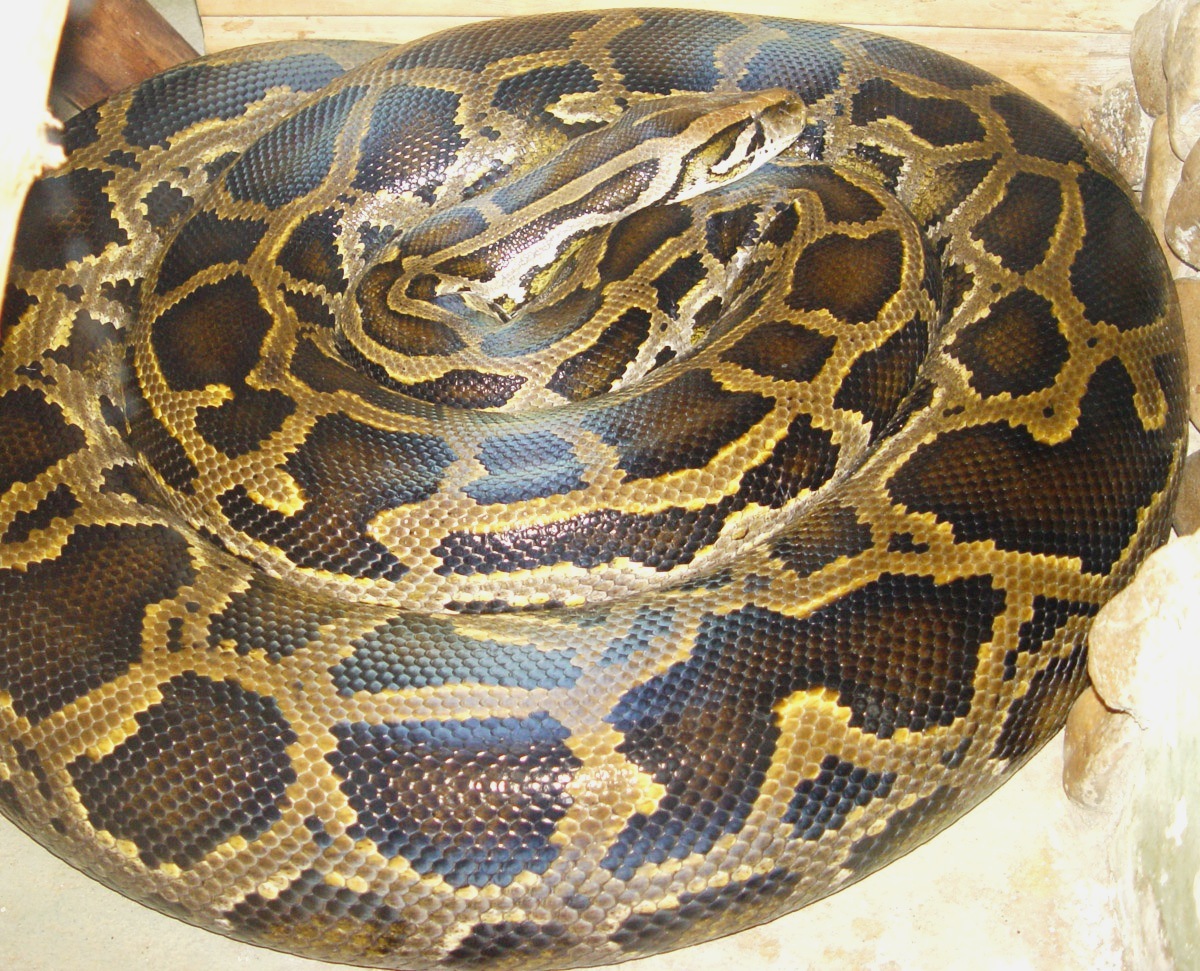
The Burmese python, which was repeatedly among the animals housed at his centre, is native to Bangladesh and to much of South and Southeast Asia. This large constrictor averages about 3.7 metres in the wild and can reach around 5 metres. It has been listed as Vulnerable on the IUCN Red List since the 2012 assessment, with habitat loss and over-harvesting for its skin cited as the main threats; the species is on Appendix II of CITES. The rescue and release work that Sitesh Ranjan carried out was part of this larger struggle to keep such threatened species alive.
Bangladesh holds a rich but increasingly pressured wildlife. The country has recorded around 113 species of mammals, 628 species of birds (388 resident and 240 migratory) and 126 species of reptiles. Yet roughly 201 species are considered threatened, and several large animals have vanished from the country altogether. Among those recorded as having disappeared from Bangladesh are the greater one-horned rhinoceros, the Asian two-horned rhinoceros, the banteng, the swamp deer, the Indian wolf, the wild water buffalo and the common peafowl. By 2000, only about 9 per cent of Bangladesh's original forest cover was estimated to remain, a loss that lies behind much of the pressure on the animals that survive.
That pressure is visible in the very species the Lawachara forest and Sitesh Ranjan's centre shelter. The western hoolock gibbon, Bangladesh's only ape, is listed as Endangered on the IUCN Red List; across its range its numbers are estimated to have fallen from more than 100,000 to fewer than 5,000, a decline of over 90 per cent. The Bengal slow loris, also found at Lawachara, was assessed as Endangered in 2020 and is among the animals most commonly sold in the illegal pet and traditional-medicine trade. For creatures seized from such trade, or injured and orphaned as forests were cleared, a rescue centre like the one at Rupashpur was often the only refuge within reach.
Sitesh Ranjan repeatedly linked these losses to what he saw on the ground. As forests were cleared, he argued, animals lost their homes and strayed into tea estates and villages, where they were often killed out of fear or captured for sale. Treating and releasing such animals, and speaking to officials, journalists and villagers at each release, was his way of trying to slow that cycle. The centre's role went beyond first aid: by keeping, breeding and releasing animals it also became a place where rare species were documented, including that first record of the Burmese ferret-badger in the country.
A final farewell
After his death, Sitesh Ranjan Deb's body was taken to the Bangladesh Wildlife Service Foundation so that people and the animals he had brought back to life could pay their last respects. His funeral rites were then held in the afternoon in his home village of Noagaon.
Over the years Sitesh Ranjan's work drew attention far beyond Moulvibazar. His story was carried by national and international media, and his centre came to be listed among Sreemangal's attractions. Yet he insisted that the effort could not rest on one family alone, and he pressed for the steady funding and official backing that might let such rescue work outlive its founder. His death left open the question of who would carry that work forward.
Having left hunting behind to spend decades caring for injured and endangered animals, Sitesh Ranjan Deb became a familiar face of the country's wildlife-conservation movement. The centre he built at Sreemangal with his own limited means, and the thousands of animals he returned to the wild, remain the quiet witnesses to his work.
Photo: Nasir Khan Saikat / Wikimedia Commons (CC BY-SA 3.0). The lead photograph shows Lawachara National Park near Sreemangal, where Sitesh Ranjan Deb released many of the animals he rescued.
Sources: Jagonews24; Al Jazeera (2010); The Daily Star (2013); Mongabay; Wikipedia; IUCN Red List.
Comments
(0)