
A housewife named Gopa Ghosh, 47, died after being bitten by a venomous snake in Sitakunda upazila of Chattogram. The bite happened on the night of Wednesday, 3 September 2025, at the house of Dilip Ghosh in East Syedpur village of Syedpur union. She was the wife of Pintu Kumar Ghosh of the same house and taught at a local temple-based school. Jagonews24 reported the death the next day, 4 September.
Bitten on the way to the toilet behind the house
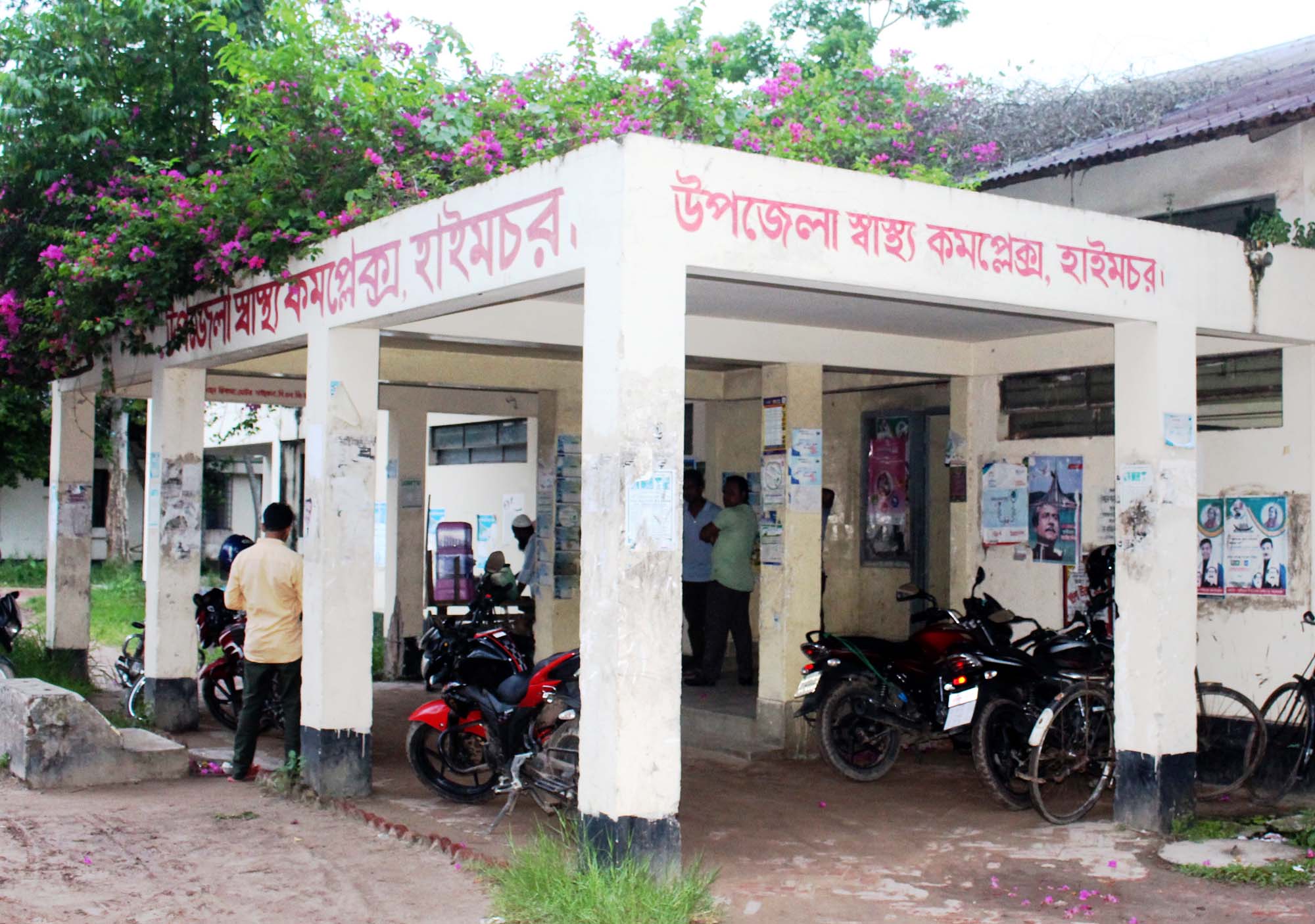
According to Jagonews24, Gopa Ghosh went to the toilet behind the house on Wednesday night, when a snake bit her on the leg. Locals took her to the Sitakunda Upazila Health Complex. As her condition was critical, she was referred to Chattogram Medical College Hospital, where the doctor on duty declared her dead. Local union parishad member Sajal Kumar Shil confirmed the death. The report did not say what kind of snake bit her.
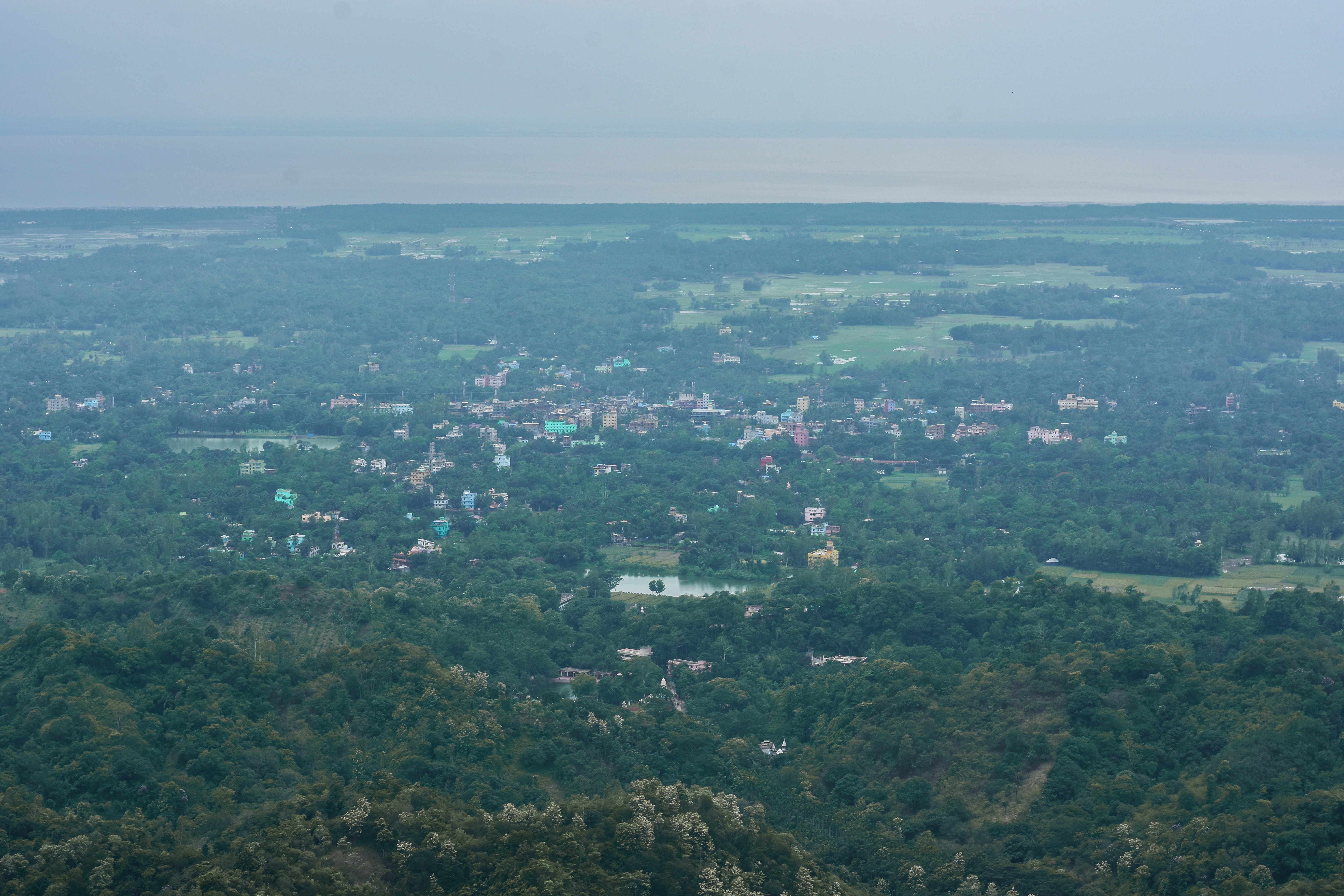
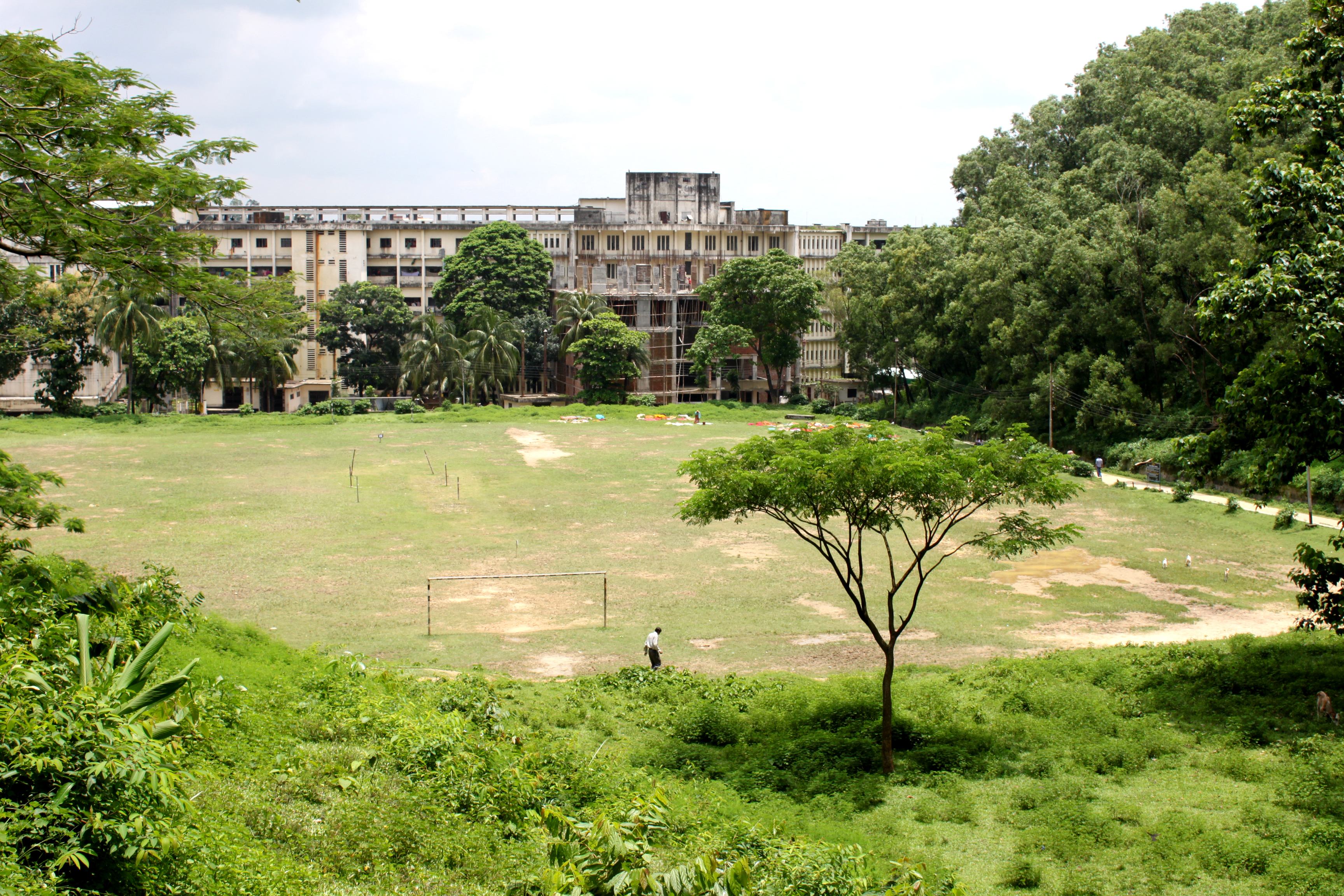
Sitakunda is an upazila of Chattogram District in Chattogram Division. It covers 483.97 square kilometres and had 457,396 residents at the 2022 census. A ridge about 32 kilometres long runs through the middle of the upazila, and its western edge is the Sandwip Channel and the Bay of Bengal coast. Syedpur is one of its unions. Ship breaking is the dominant industry, but farming matters too: beans, melons, rubber and betel leaf are among the main products.
Health officer says she reached hospital late
Sitakunda upazila health officer Dr Altaf Hossain told Jagonews24 that relatives brought in a snakebite patient at night. From her condition it appeared she had been brought to hospital long after the bite, so after first aid she was sent on to Chattogram Medical College Hospital.
He added that a snakebite patient should be treated as quickly as possible, because any delay can be dangerous.
Snakebite in Bangladesh and the world
A national survey carried out in 2021 and 2022 and presented at a Directorate General of Health Services event on 18 June 2023 found that about 400,000 people in Bangladesh are bitten by snakes each year and 7,511 die. The Business Standard, reporting the survey, said 95 percent of the cases occur in rural areas.
According to the World Health Organization (WHO) fact sheet, an estimated 5.4 million people worldwide are bitten by snakes each year, with 1.8 to 2.7 million cases of envenoming, and 81,410 to 137,880 people die. In Asia up to 2 million people are envenomed each year, and agricultural workers and children are the most affected. WHO stresses that an effective treatment exists: high-quality antivenom is the most effective way to prevent or reverse most of the effects of a venomous bite. It also notes that many victims turn to traditional practices rather than hospital care.
What to do after a snakebite: WHO advice
WHO's questions and answers on snakebite (2019) give this first-aid advice:
- Keep the bitten person still and stop them moving around at all.
- Carry them on a makeshift stretcher to medical care without delay.
- Do not use narrow tourniquets, cut the wound, apply chemicals such as potassium permanganate or try suction with heated glass containers; these are dangerous as well as ineffective.
- Methods such as the black stone do not work and waste valuable time.
WHO also advises on prevention. Using a light when walking outside at night is essential, it says: even the short walk from the house to an outdoor latrine can be fatal if someone steps on a snake in the dark. As many as 80 percent of bites are on the legs or feet below the knee, so footwear protects. Clearing rubbish and keeping grass short around homes, sealing houses against snakes and sleeping on a raised bed under a well-tucked mosquito net also reduce the risk.
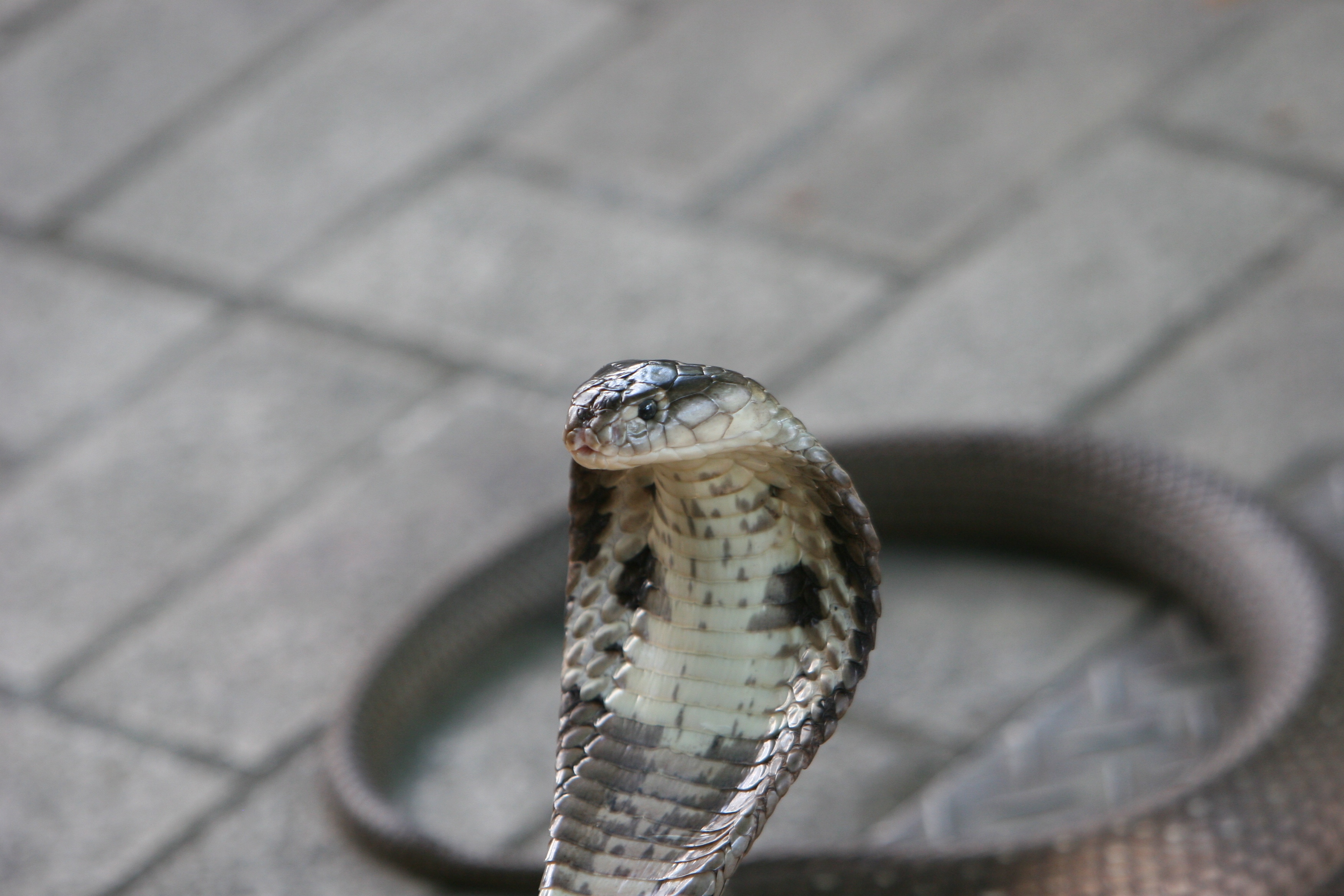
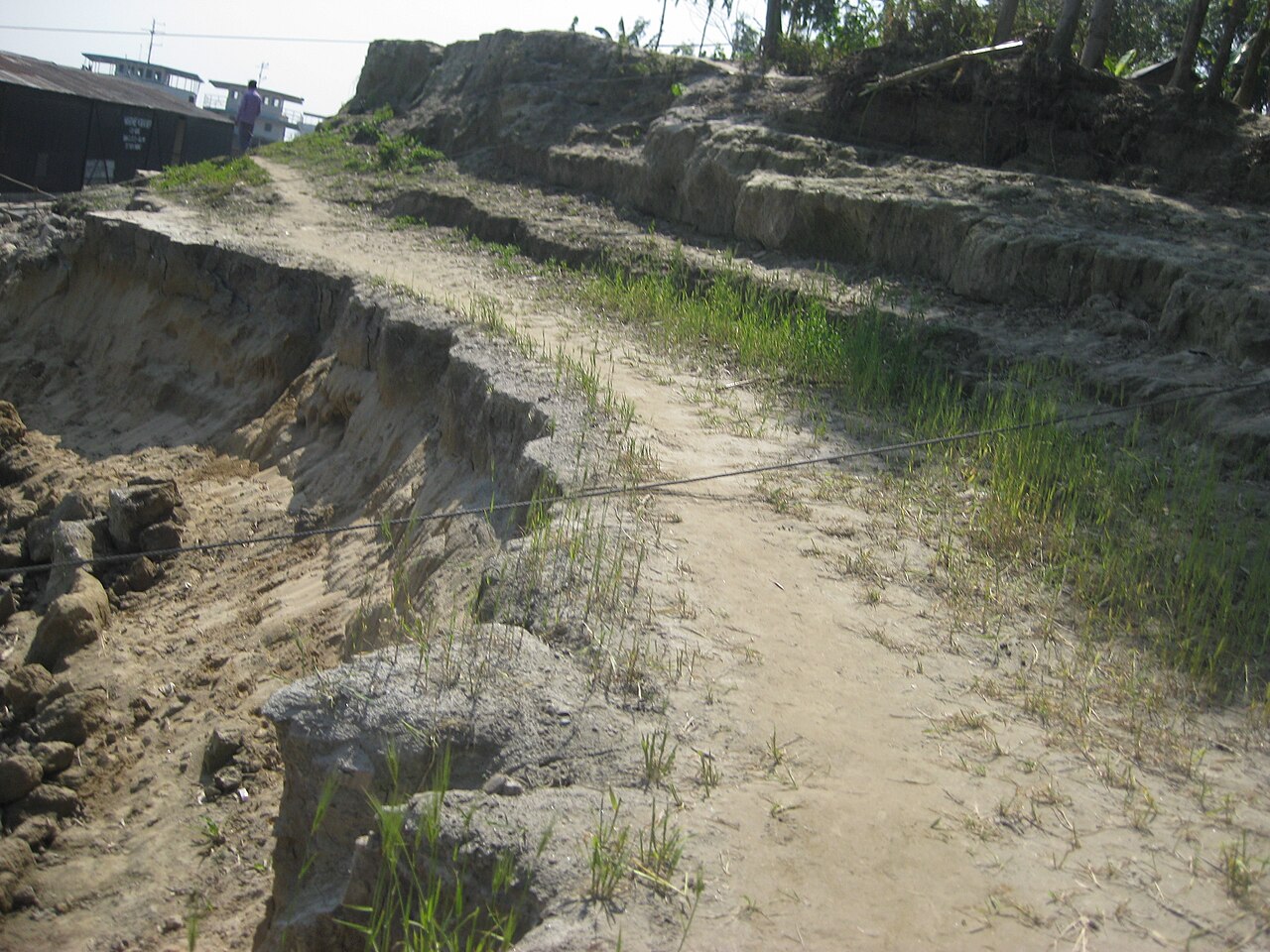
Photo: Syed Sajidul Islam / Wikimedia Commons (CC BY-SA 4.0)
Sources: Jagonews24, World Health Organization (WHO), The Business Standard, Wikipedia (Sitakunda Upazila)
Comments
(0)