
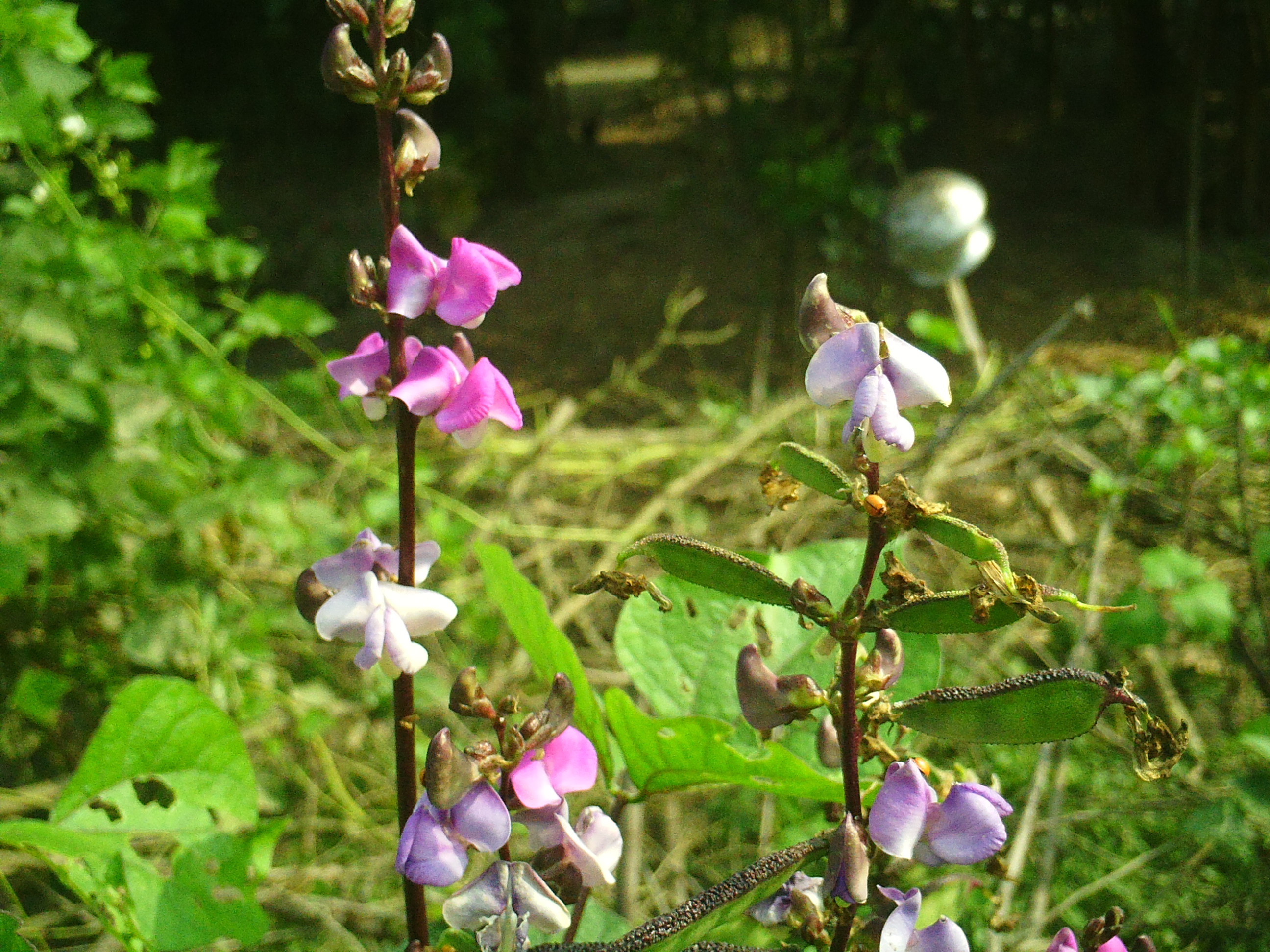
Farmers in Sitakunda upazila of Chattogram were earning extra income from summer Rupban beans grown on the hills. Jagonews24 reported on 12 November 2024 that on Bara Kumira hill in Kumira union, bean flowers were blooming as far as the eye could see and bunches of purple pods hung from the vines. Some farmers were picking beans for market while others tended the vines. Because the Rupban variety is planted in summer, it is known as a summer bean.
Grown at more than 400 spots on the hills
According to the report, the beans were grown at more than 400 spots on the hills between Chhotodarogarhat and Salimpur. The upazila agriculture department said summer beans covered 28 hectares in Sitakunda in 2023 and 30 hectares in 2024, and that about 300 farmers grew Rupban beans. Most of the crop was on the hills of Kumira and Banshbaria, with more in Syedpur, Baraiyardhala and Sitakunda municipality. Jagonews24 reported that growers were meeting local demand and also sending the beans abroad.
Jahangir Alam, a farmer in the Dharmapur area, told Jagonews24: "We started growing different crops on the hills. We don't have to pay rent or money to anyone, and there's no worry about irrigation."
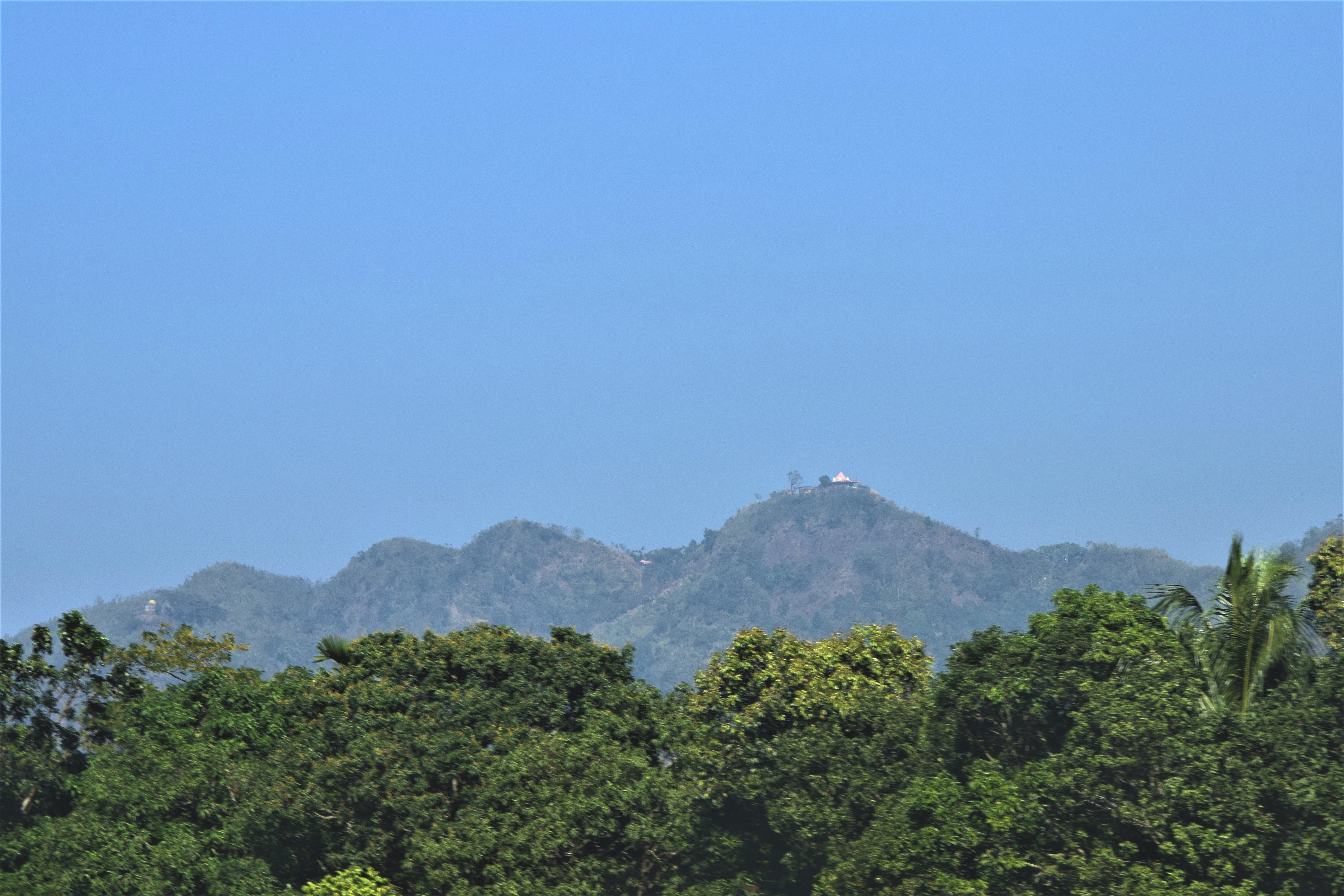
Sitakunda, a bean-growing upazila
Sitakunda is known for its beans. The Sitakunda range runs through the middle of the upazila, with the Sandwip Channel of the Bay of Bengal to the west; Chandranath Hill, at 352 metres, is the highest point in Chattogram district. The Business Standard reported in December 2020 that Sitakunda accounted for half of Chattogram district's bean cultivation and that five varieties were grown there: Chhuri, Bata, Putti, Rupban and Kartikoda.
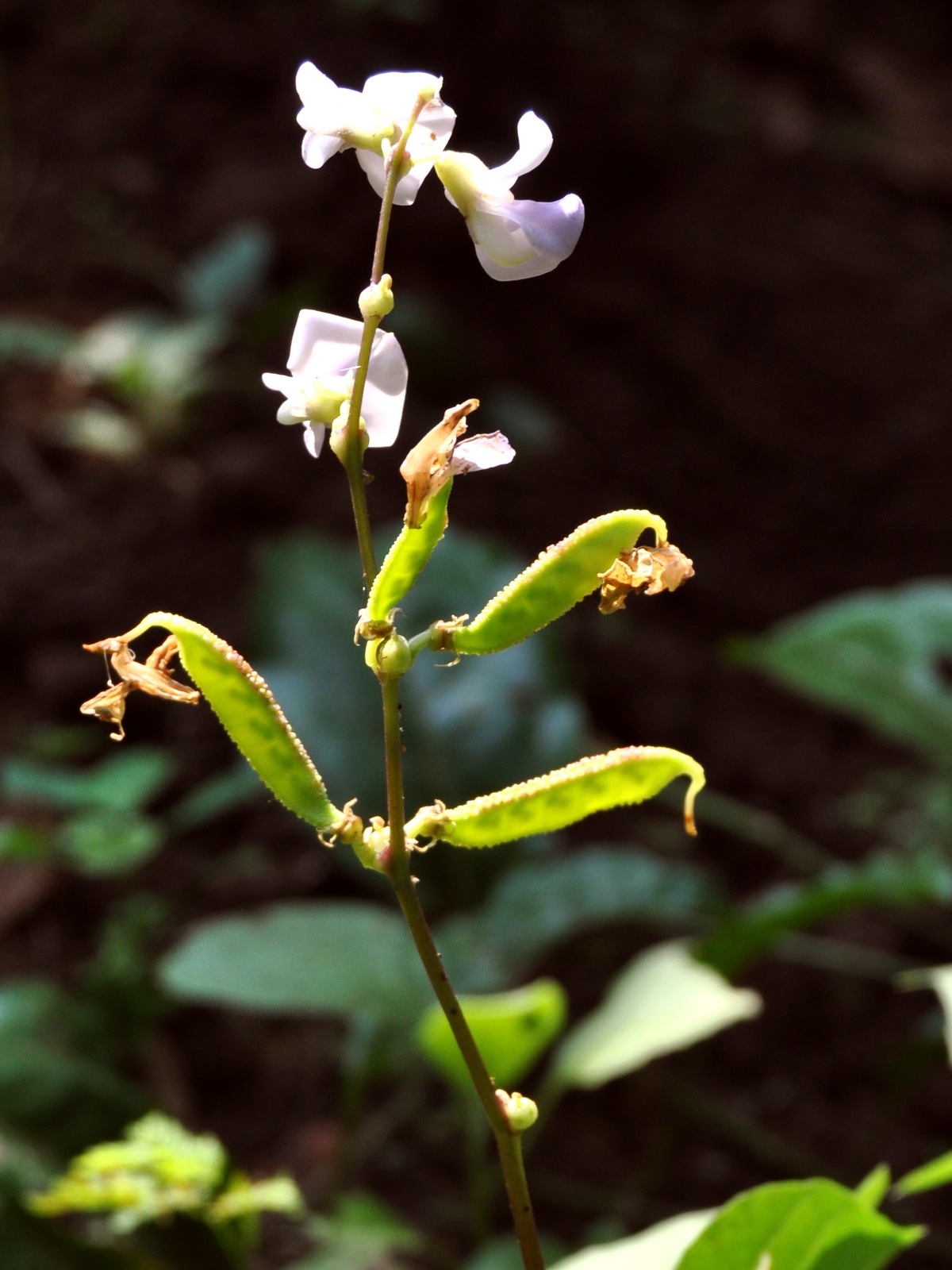
In winter, Sitakunda's churi, loitta and bata beans are in high demand, but summer beans, being tasty and profitable, were spreading. Prothom Alo reported in October 2021 that the Rupban bean is purple, is planted in the Bengali months of Baishakh and Jyoishtho and is picked from Srabon; that year it covered 25 hectares in the upazila. The bean (Lablab purpureus, also called hyacinth bean) is a climbing legume of the family Fabaceae whose young pods and seeds are eaten as a vegetable; once established, the plant tolerates drought.
Prices, sales and the advantage of hill land
Farmers Jahangir Alam and Delwar Hossain said: "We have been growing summer beans on the hills for almost 10 years. At the start of the harvest we sold beans at Tk 160-170 a kg. They are still selling at Tk 140. Wholesalers come from Dhaka, Chattogram and other parts of the country to take them."
Local people said production costs were somewhat higher because the hills are hard to reach. On flat land, heavy monsoon rain can leave water standing and ruin the vines, but water does not collect on the hills. As bean growing spread on the hills, fallow land was shrinking. They said Rupban beans bear for longer than winter beans, which makes them more profitable.
Sujan Ghosh, sub-assistant agriculture officer for Kumira union, said: "On each market day (twice a week) farmers sell at least 15 tonnes of beans from the union. Fifteen tonnes of beans are now worth Tk 15-18 lakh." He said the agriculture office advises farmers on what to apply to hold the flowers once they appear and visits the hills from time to time. Farmers should ask the upazila agriculture office or their sub-assistant agriculture officer before using any spray or dose.
Upazila agriculture officer Md Habibullah said: "This bean bears for a long time and fetches a higher price than winter beans, so farmers are turning to summer beans. Bean cultivation is increasing every year. Like winter beans, Rupban beans are very tasty, so they have a good reputation among consumers."
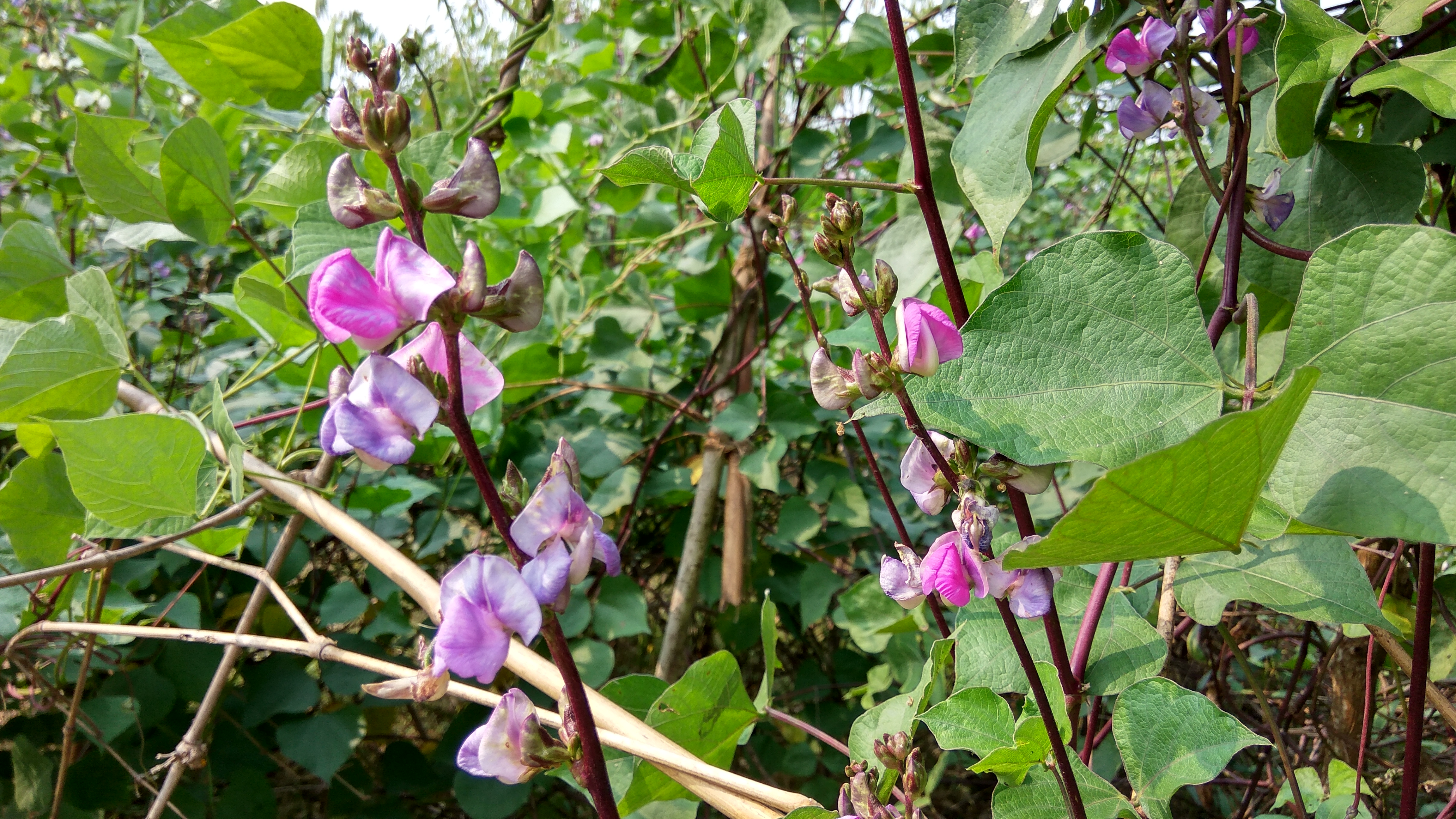
Photo: Eng.Md.Aminul Islam / Wikimedia Commons (CC BY-SA 4.0)
Sources: Jagonews24, Prothom Alo, The Business Standard, Wikipedia (Sitakunda Upazila; Lablab)
Comments
(0)