
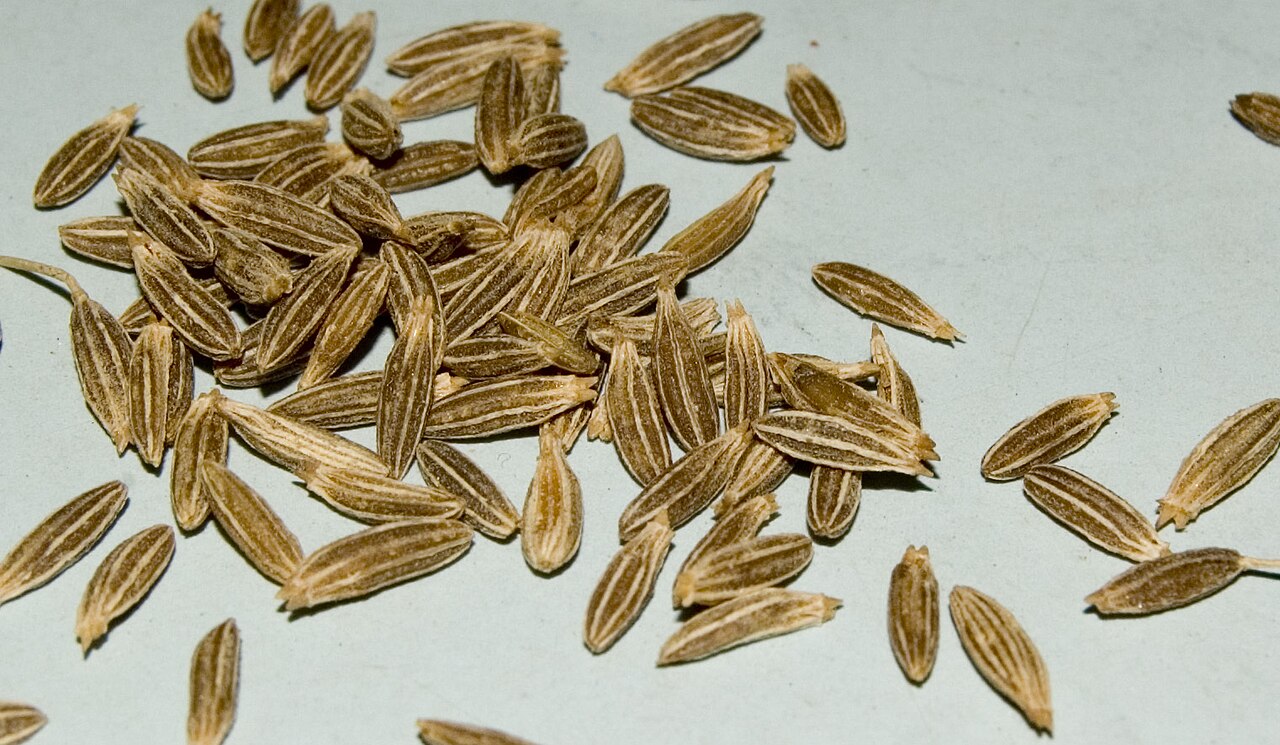
From dal to fish curry, many dishes are not complete without cumin. But how can you tell whether the cumin you buy is pure? An Anandabazar report suggests a few simple tests that can give an early indication of adulteration. Ground spices are the easiest to adulterate: flour, starch, sawdust or chalk powder are hard to spot by eye.
Rub it between your palms: whole cumin is sometimes mixed with similar-looking grass seeds, darkened with charcoal powder. Rub a few seeds firmly between your palms; black or grey marks suggest adulteration, though this does not prove it.
Spread it on a glass plate: scatter a little cumin on a clean glass plate and look closely at the size, colour and shape of the seeds. Fennel or other similar seeds mixed in are easier to pick out this way; use a magnifying glass if needed.
For ground cumin: stir a little into a glass of water and leave it still. Some light adulterants may float while part of the powder settles. This test alone cannot confirm that the powder is pure.
Buy from known, reliable sellers and check the packet's seal, manufacturing and expiry dates and food-safety information. If the seeds have an unusual colour or smell, or the powder looks suspicious, it is better not to use it.
Photo: Chaitanya B D / Wikimedia Commons (public domain); cumin seeds
Source: Anandabazar


Comments
(0)