

Different vegetables grow well in different seasons, so farmers follow seasonal cultivation. Several vegetable seeds can be sown in Shraban (mid-July to mid-August), and sowing at the right time helps ensure success. Here is what to grow this month.
Preparing the soil
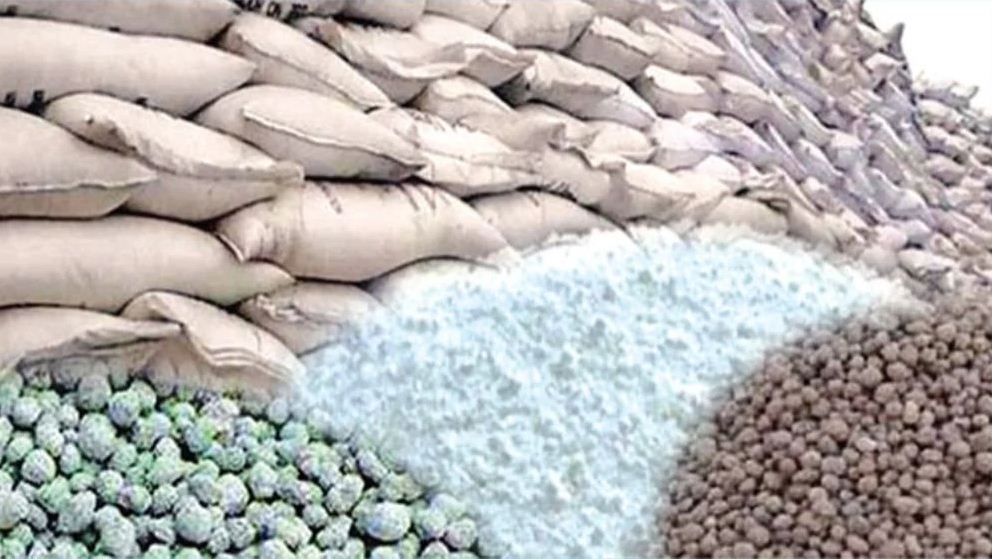
One of the first and most important jobs is deciding which vegetable will grow where and preparing suitable soil for it. Make a seedling mix of two parts organic fertiliser (cow dung, compost, vermicompost), one part coco dust and one part fertile loam. The soil should be fine, friable and level, with good drainage. Along with enough organic fertiliser, you can apply chemical fertiliser in moderate doses.
You can prepare seedbeds and start sowing early rabi (winter) vegetables such as cabbage, cauliflower, bottle gourd, bean, tomato and aubergine.
On rooftop gardens, red amaranth, spinach and Malabar spinach can be grown by sowing seed directly into well-prepared soil in drums, tubs or beds. Seedlings can also be raised in packets, small tubs or seedling trays.
For each bed, tub or cut drum, mix 10 kg of cow dung, 200 g of mustard oil cake, 2 kg of ash and 100 g of TSP well into the soil. Sow three to four good, healthy seeds in each bed, drum or tub. If seedlings have already been raised, or healthy 30–35-day-old seedlings are bought from a nursery, plant them in pits, beds, drums or tubs.
Spacing, pruning and pollination
Planting too densely creates competition for light, air, water and soil nutrients, so each seedling must be planted at a set distance. For climbing vegetables, build a trellis as the plants grow.
The more stems, leaves and branches a climbing vegetable grows, the lower its capacity to flower and fruit. So cut back 15–20 percent of the vines and leaves, and the plants will flower and fruit quickly.
Hand pollination is essential to ensure full pollination and higher yields in gourd-family vegetables. Once plants start flowering, hand pollinating every morning at dawn will raise yields considerably.
For tomatoes, along with a polythene shade, spraying a hormone called Tomatotone at 20 ml per litre of water on the flowers two to three times at five- to seven-day intervals after flowering ensures higher yields.
Other work this month
Care for the gourd-family crops planted the previous month (bitter gourd, pointed gourd, spiny gourd, snake gourd, ridge gourd, sponge gourd, cucumber) as well as aubergine, tomato, okra, green chilli and others. Alongside, harvest the kharif-2 or late summer vegetables.
Lemongrass, thankuni (Indian pennywort), mint and tulsi can be grown very easily. Seedbeds for early rabi vegetables such as cabbage, cauliflower, bottle gourd, tomato and aubergine can be prepared and sowing started. Harvest kharif-2 vegetables and control pests. Sow beans, red amaranth and spinach. Care for newly planted fruit saplings, plant improved saplings or grafts, provide stakes, cages or fencing, and harvest fruit from bearing trees.
Source: Jagonews24. First published in Bengali on The Agro News.


Comments
(0)