
A 13-year-old schoolboy died after being bitten by a venomous snake in Nalitabari upazila of Sherpur on the evening of Friday 12 June 2026. He was bitten on the bank of a pond in front of his home in the Nama Hatipagar area of Nayabil union. His family rushed him to Nalitabari Upazila Health Complex, where the doctor on duty declared him dead. Jagonews24 reported the death the same day.
Bitten on the pond bank
Citing the family and local people, Jagonews24 reported that the boy went to the pond bank in front of his house at around 6:30pm on Friday, where a venomous snake suddenly bit him. Family members rescued him and quickly took him to Nalitabari Upazila Health Complex. The doctor on duty there declared him dead after examining him, and later confirmed the death.
The report did not identify the species of the snake, so this story does not say which snake bit him. The venomous snakes described further down are general background on Bangladesh's snakes, not an identification of the snake in this case.
Nalitabari, at the foot of the Garo Hills
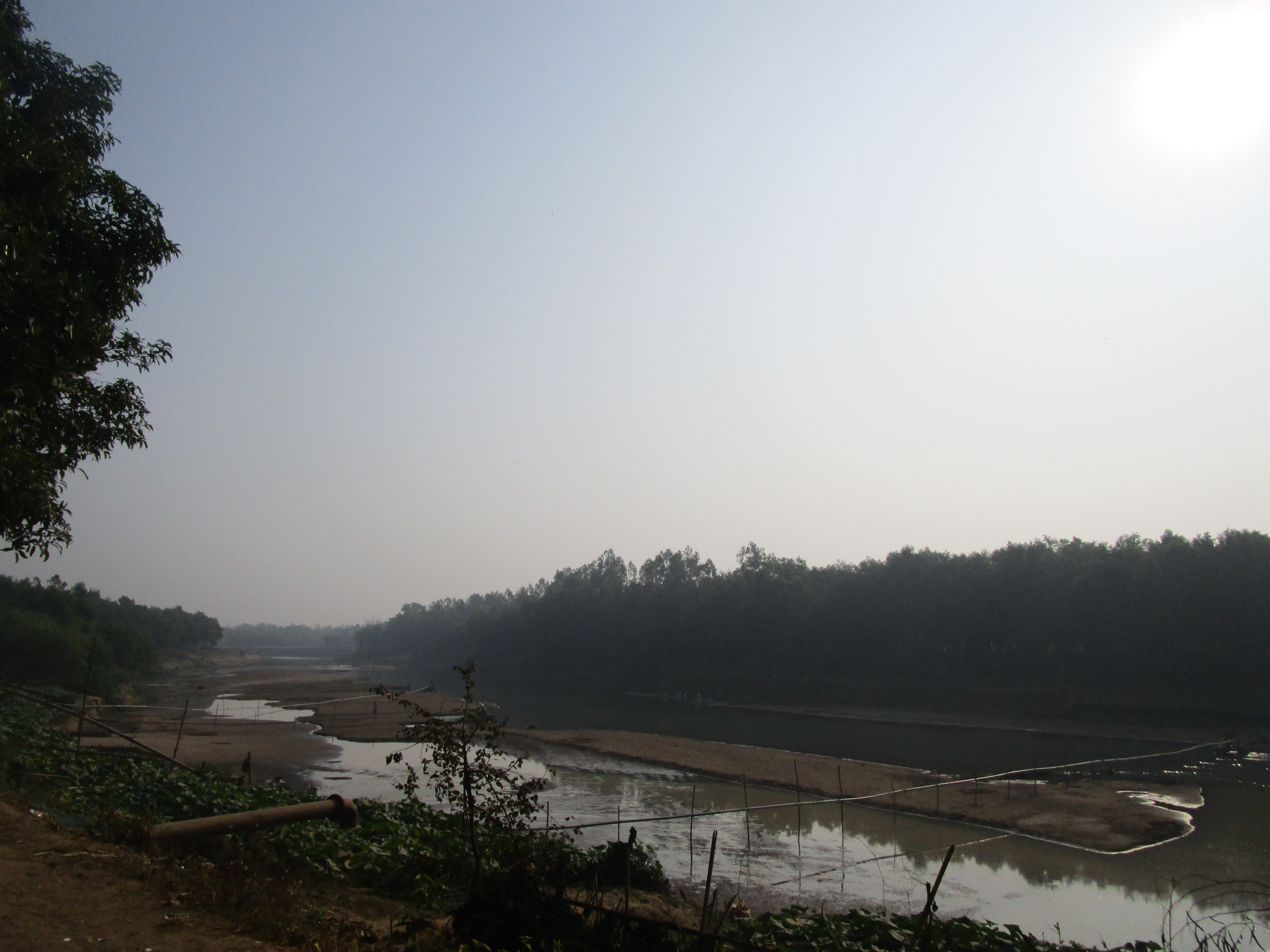
Nalitabari is a border upazila of Sherpur district in Mymensingh division. According to Banglapedia, the national encyclopedia of Bangladesh, it covers 327.60 square kilometres. It is bounded by the Indian state of Meghalaya to the north, by Sherpur Sadar and Nakla upazilas to the south, by Haluaghat upazila of Mymensingh district to the east and by Jhenaigati upazila to the west. Nalitabari thana became an upazila in 1983. It is made up of one municipality and 12 unions, Nayabil among them. The 2022 census of the Bangladesh Bureau of Statistics counted 271,933 people in the upazila.
Its main rivers are the Bhogai, Kangsa, Maljhi and Thalong, and the Khuski, Paikal, Kasti, Bara, Kula and Dublakuri are its notable beels, or wetlands. Garo, Hajong, Hodi, Mandai and Koch communities live in the upazila alongside the Bengali majority. Using 2011 census data, Banglapedia says agriculture is the main source of income for 70.06 per cent of people in Nalitabari. Paddy, jute, wheat, potato, mustard and vegetables are the main crops; mango, jackfruit, litchi and banana the main fruits; and rice, banana and vegetables the main goods sent out of the upazila.
A rubber dam on the Bhogai and the Madhutila Eco Park in Poragaon union are its best-known landmarks. The 380-acre eco park, set up in 1999 within the Madhutila forest range, lies close to the border with India.
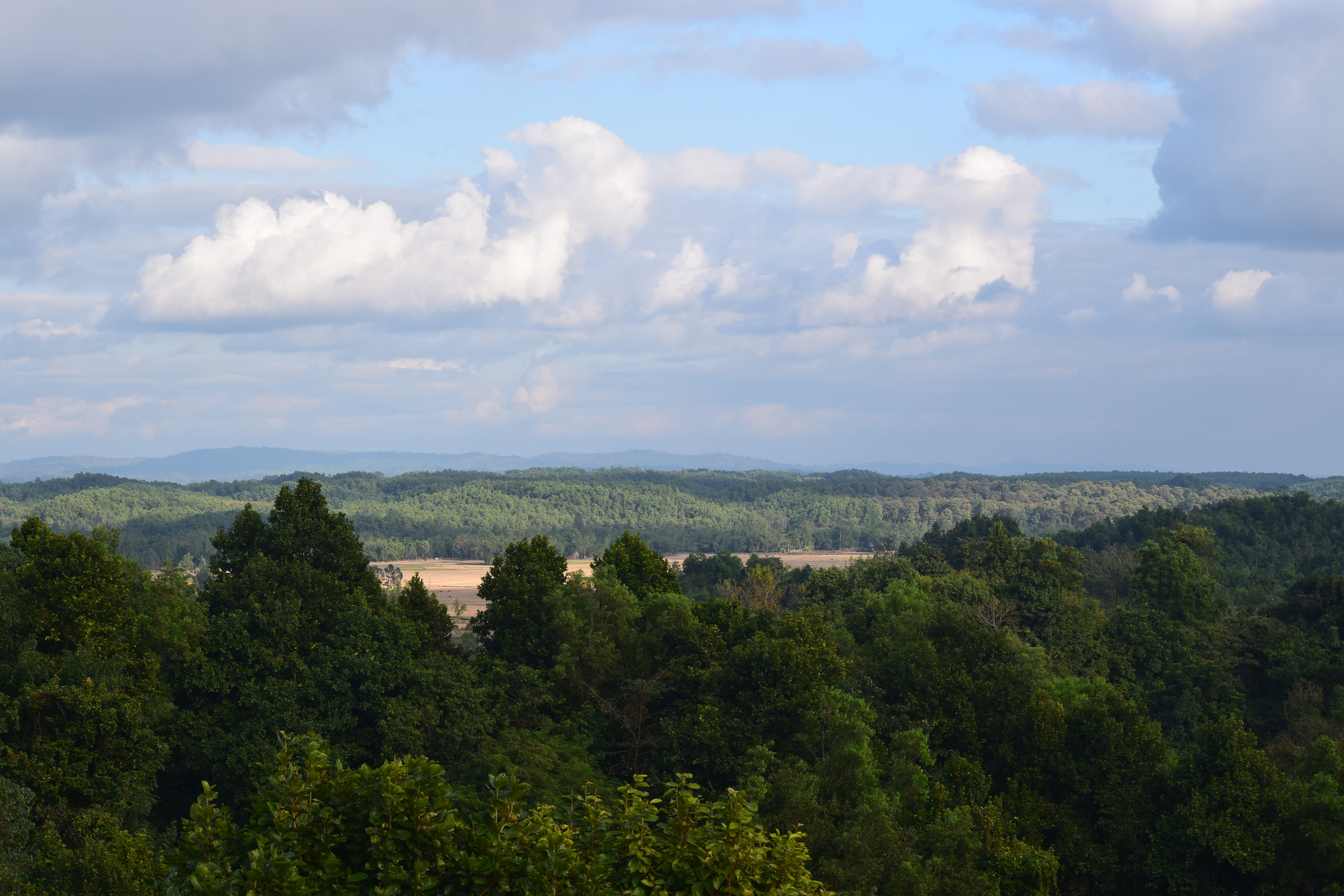
Sherpur was a subdivision of Jamalpur district until 1984, when it became a district. Banglapedia gives its area as 1,364.67 square kilometres, divided into five upazilas: Sherpur Sadar, Nalitabari, Jhenaigati, Nakla and Sreebardi. Meghalaya lies to its north as well. The Old Brahmaputra, Someshwari, Chellakhali, Bhogai, Kangsa and Digana are its main rivers. The 2022 census recorded 1,501,853 people in the district, and agriculture is the main source of income for 65.71 per cent of its people.
Snakebite in Bangladesh: the numbers
Snakebite is a major public-health problem in Bangladesh. In 2021-22 the National Centre for Disease Control (NCDC) of the Directorate General of Health Services (DGHS) carried out a nationwide study, the "National Survey on Annual Incidence and Epidemiology of Snakebite in Bangladesh". Its findings, published on 18 June 2023, put the number of people bitten by snakes each year at about 403,000, of whom 7,511 die.
In September 2023 the Dhaka Tribune, citing a DGHS report of that July, wrote that about 244 of every 100,000 people in Bangladesh are bitten by venomous snakes each year and that four to five people die every day. According to the survey, 95 per cent of snakebite victims live in villages.
Earlier estimates differed. A study by Rahman and colleagues, published in the journal PLoS Neglected Tropical Diseases in 2010 and based on a 2009 survey of 18,857 people in 24 of the country's 64 districts, estimated that about 589,919 people in rural Bangladesh are bitten by snakes every year and that 6,041 of them die. It found an annual incidence of 623.4 bites per 100,000 people. At a seminar held by the DGHS non-communicable disease control programme in October 2019, speakers put the toll at around 700,000 bites and more than 6,000 deaths a year, and the then health minister, Zahid Maleque, said that on average about 16 people died of snakebite every day.
An analysis in The Business Standard in August 2023 noted that the new survey found fewer bites than earlier estimates but more deaths. Dr Robed Amin, line director of the DGHS non-communicable disease control programme, told the paper that earlier figures had been based on villages only, while the new survey used a cluster design and was more robust. The World Health Organization (WHO) noted in December 2018 that snakebite is the second most common cause of death during floods in Bangladesh.
Why children and rural people face the greatest risk
According to the WHO's fact sheet of September 2023, agricultural workers and children are the most affected by snakebite. Because of their smaller body mass, children may suffer more severe effects than adults, and the effects can come on more quickly. The WHO's questions-and-answers page of 2019 says agricultural workers, including working children aged 10 to 14, and people living in poorly built homes face the highest risk.
In the study by Rahman and colleagues, children aged ten or under made up 11 per cent of victims, and those aged 11 to 20 another 22 per cent. Most bites happened in water (27 per cent), followed by fields (24 per cent), with home premises and the inside of the home accounting for similar shares (11 and 12 per cent). Seventy-one per cent of bites were on the feet. Thirty-six per cent of bites happened at night, with mornings and afternoons accounting for about a third each.
The researchers found that bites peak in the monsoon from June to October, with 22 per cent of episodes in October and 15 per cent in July. They linked this to the farm work of the season and to greater snake activity in the hot, wet weather. They tied night-time bites at home or by the road to kraits, which are usually nocturnal, live close to human dwellings, hide in holes, woodpiles or homestead gardens, and enter houses at night at the height of the monsoon. The Dhaka Tribune's 2023 report also said that in the monsoon, water collecting near roads and settlements drives snakes out of their habitat, and snakebite cases in rural areas rise.
Bangladesh's venomous snakes
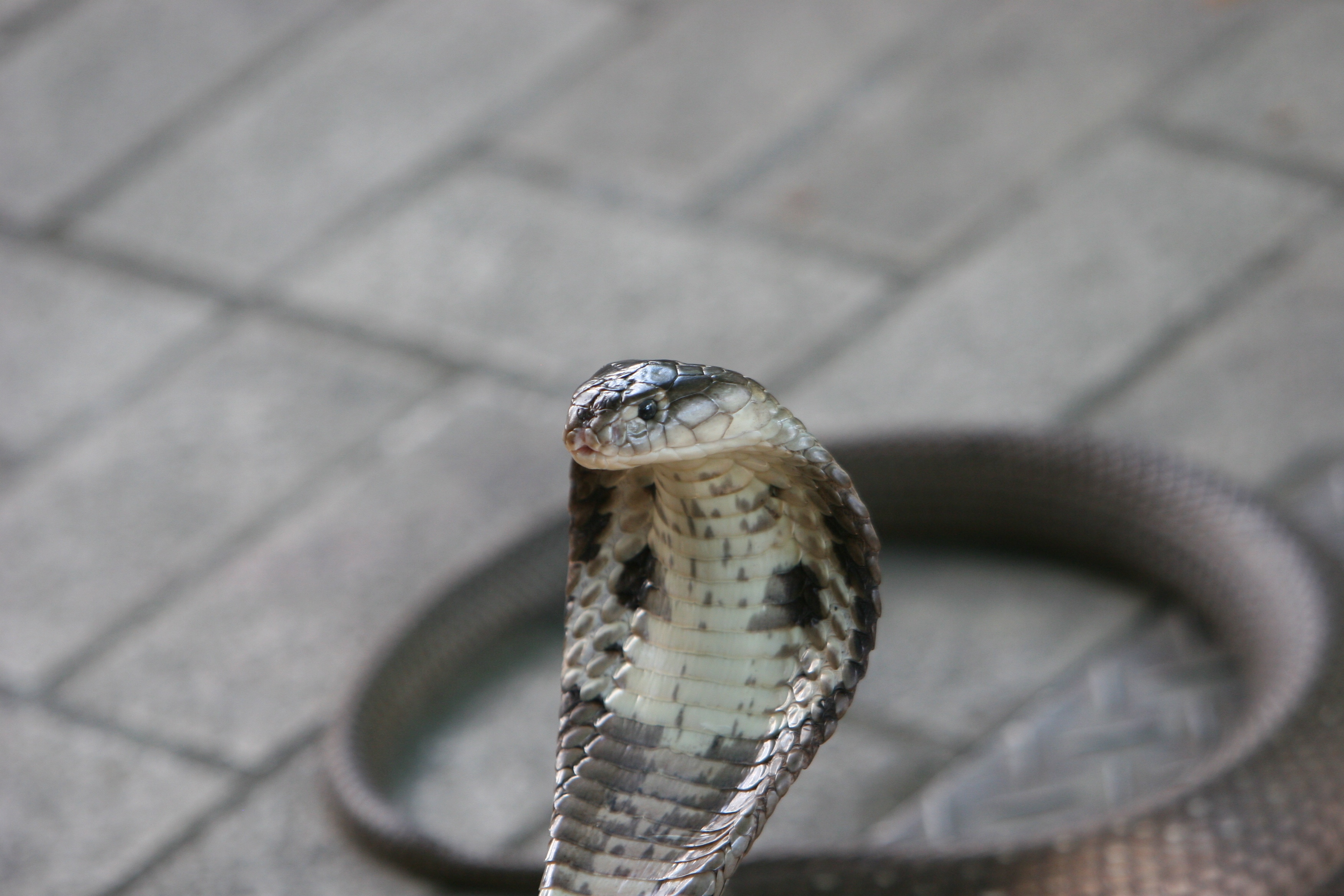
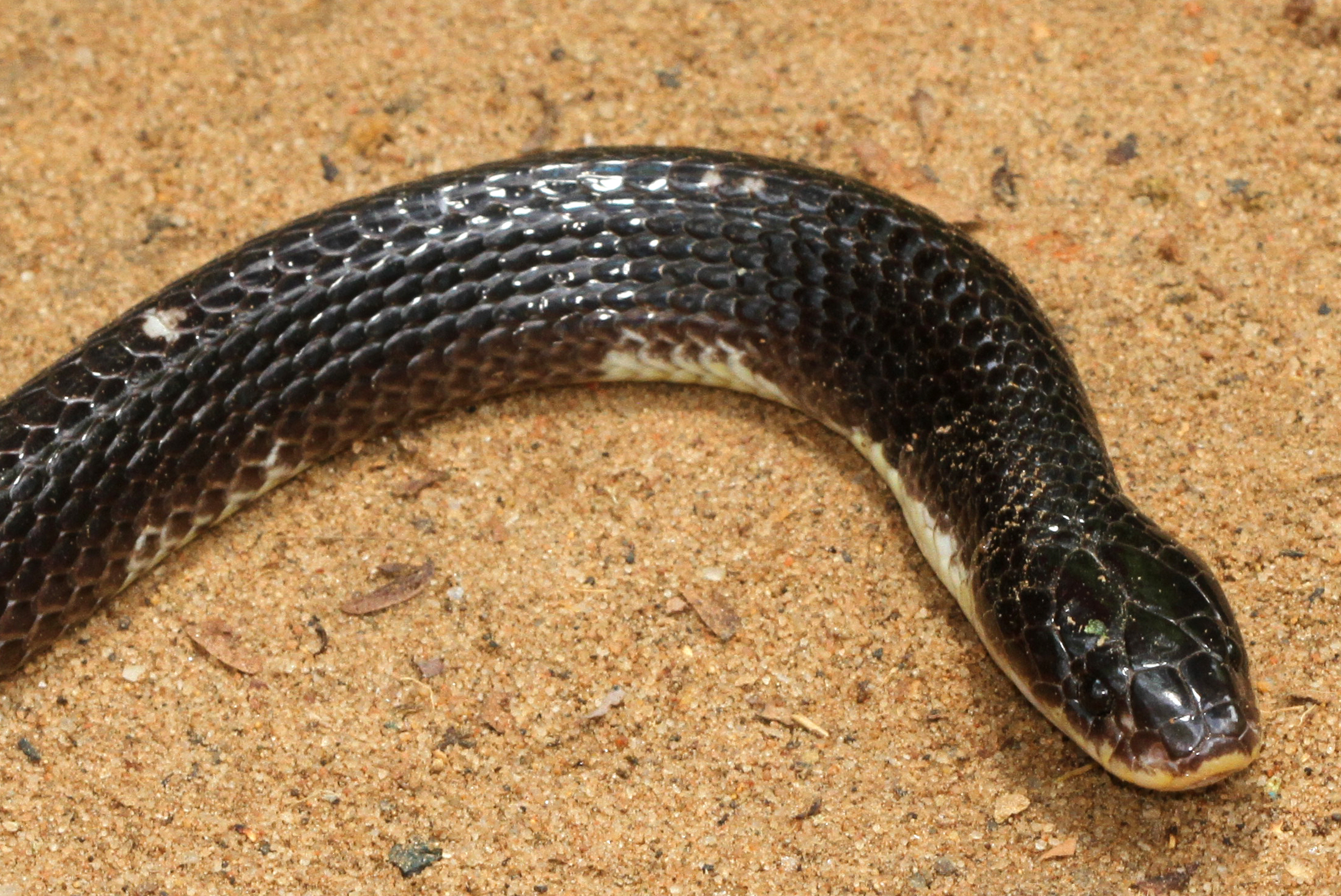
Citing Bangladesh's National Guideline for Management of Snakebite, The Business Standard reported that the country has about 100 snake species, 37 of them venomous: 16 sea snakes, three types of cobra, five types of krait, two coral snakes, six green pit vipers and one true viper, the Russell's viper. The Dhaka Tribune, citing the DGHS, gave 98 species, 31 of them venomous, so the counts differ by source.
The WHO says that across tropical Asia, cobras (Naja), kraits (Bungarus) and, where they occur, Russell's vipers cause the lion's share of serious bites. Venomous bites can cause paralysis that may stop breathing, bleeding disorders that can lead to fatal haemorrhage, irreversible kidney failure, and tissue damage that can cause permanent disability and limb amputation.
When fear of the Russell's viper spread across the country in June 2024, the DGHS began an awareness campaign. Its programme manager, Dr Mohammad Nurul Islam, told Arab News that misleading information was circulating on social media and that the Russell's viper does not bite unless attacked. The same month, the Ministry of Environment, Forest and Climate Change issued guidance asking people not to try to catch or kill a snake but to call the national helpline 333 or the Forest Department. The guidance said mongooses, monitor lizards, civets, wild cats, several birds and some snakes keep the viper's numbers in check by eating it, and that the indiscriminate killing of these animals was letting the viper multiply.
Antivenom and the national treatment guideline
The WHO says high-quality antivenom is the most effective treatment to prevent or reverse most of the effects of a venomous bite. It is on the WHO List of Essential Medicines and should be part of any primary health care package where snakebites occur. The response is best when antivenom is given as soon as possible after a bite, because many effects of venom cannot be reversed.
In December 2018 the WHO reported that, with its support, the health ministry had updated its Guidelines for the Management of Snakebite; that 5,000 doses of antivenom had been distributed across the country that year; and that 352 doctors from divisional medical college hospitals had been trained in October and November. At the October 2019 seminar, the cover of the Snakebite Treatment Guideline 2019 was unveiled. The health minister said then that antivenom was available at every district-level hospital but most upazila hospitals lacked it, and that steps would be taken to supply all upazila hospitals as soon as possible. Professor Dr Abul Kalam Azad, then director general of health services, said India exported antivenom to Bangladesh but the country's snake species were slightly different, so it should produce its own.
With government funding, a Venom Research Centre was set up at Chattogram Medical College Hospital as a first step. Mongabay reported in April 2023 that the centre was established in 2018, that its principal investigator was Aniruddha Ghose, a medicine specialist at Chittagong Medical College, and that Bangladesh still had no antivenom of its own and relied entirely on imports.
According to The Business Standard's 2023 report, the antivenom used in Bangladesh is polyvalent, made for four types of venomous snake including kraits, cobras and the Russell's viper, and Incepta was the only pharmaceutical company bringing it in from India. Dr Robed Amin said the country's kraits are not like India's and there was no scientific proof that the antivenom works against them. He said 50,000 vials had been distributed to hospitals through the government in 2020-21. The report said antivenom expires in five years, and that a vial bought privately cost Tk1,600, up from Tk700-800 earlier.
The Dhaka Tribune reported in 2023, citing a DGHS source, that by early 2022 a total of 41,470 doses had been sent to 80 medical college hospitals, civil surgeon offices, district hospitals and upazila health complexes, and that many had already expired. Professor Dr Saiful Islam, a medicine specialist at Dhaka Medical College, told the paper that some patients develop severe breathing problems after antivenom and need intensive care, which upazila hospitals do not have, so patients are often referred elsewhere. In June 2024 the then health minister, Dr Samanta Lal Sen, said the country had enough antivenom and that hospitals everywhere had been told to keep it in stock; the same month the DGHS told Arab News that government hospitals and medical colleges gave antivenom free of charge.
Time lost with traditional healers
Rahman and colleagues found that after a bite, 86 per cent of victims first went to a snake charmer, or ojha, 6 per cent to a village doctor, and only 3 per cent directly to a registered doctor or a hospital. The measures taken included reciting mantras (60 per cent), making multiple cuts around the bite (43 per cent), tying one or more tourniquets, sucking blood out by mouth (11 per cent) and forced vomiting (18 per cent). The researchers described the cuts, wrongly applied tourniquets and sucking by mouth as potentially harmful.
The Dhaka Tribune's 2023 report also said that without antivenom nearby, rural patients often turn to traditional healers known as kabiraj. In April 2024 The Daily Star Bangla reported such a case in Shariatpur: a young man bitten by a snake was first taken by his family to an ojha and was brought to Shariatpur Sadar Hospital at around 10pm, where he died during treatment. The hospital's resident medical officer said then that anyone bitten by a venomous snake must be brought to hospital quickly for antivenom.
The environment ministry's 2024 guidance likewise told people not to go to a traditional healer but to go straight to the nearest hospital, and said antivenom is free at government hospitals. In the Nalitabari case, according to Jagonews24, the family took the boy straight to the upazila health complex.
What to do after a snakebite: the WHO's advice
The WHO says most first-aid methods proposed for snakebite are ineffective, dangerous or delay proper medical treatment. Its advice:
- Keep the bitten person still and do not let them move around at all.
- Carry them on a makeshift stretcher to medical care without delay; if possible, lay them on their side to help protect the airway and breathing.
- Do not use narrow tourniquets, cut the wound or limb, apply chemicals such as potassium permanganate or use heated glass containers for suction: these are dangerous as well as ineffective.
- Remedies such as the "black stone" are ineffective and waste valuable time.
On prevention, the WHO says walking barefoot is a major cause of snakebite where bites are common, and as many as 80 per cent of bites land below the knee, so shoes prevent many of them. Keeping grass short around homes, along paths and where children play, clearing away rubbish and old building materials, carrying a light outside at night, sealing houses against snakes, and sleeping on a raised bed under a well-tucked mosquito net all reduce the risk. The environment ministry's guidance added that people should not put their hands or feet into holes, and should wear boots and long trousers when working where snakes have been seen.
Snakebite worldwide and the 2030 goal
According to the WHO's 2023 fact sheet, an estimated 5.4 million people are bitten by snakes each year, with 1.8 to 2.7 million cases of envenoming. Between 81,410 and 137,880 people die each year, and around three times as many suffer amputations and other permanent disabilities. In Asia alone, up to 2 million people are envenomed each year.
In June 2017 the WHO listed snakebite envenoming as a highest-priority neglected tropical disease. The strategy that followed aims to cut deaths and disability from snakebite by 50 per cent by 2030 through four objectives: empowering and engaging communities, ensuring safe and effective treatment, strengthening health systems, and increasing partnerships, coordination and resources. The WHO says the burden is highest where health systems are weakest and remote communities struggle to reach care; many victims never reach a primary health facility, so official counts of bites and deaths are often too low.
Photo: Anup Sadi / Wikimedia Commons (CC BY-SA 4.0)
Sources: Jagonews24, The Business Standard, Dhaka Tribune, PLoS Neglected Tropical Diseases (Rahman et al., 2010), World Health Organization, Mongabay, Arab News, The Daily Star Bangla (Ministry of Environment, Forest and Climate Change guidance), Banglapedia, Wikipedia



Comments
(0)