
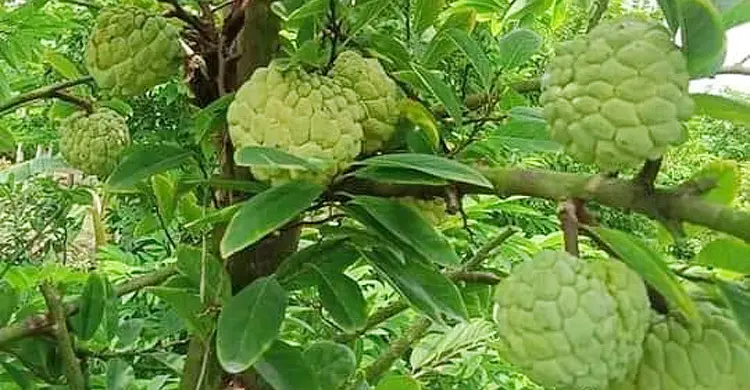
Many know it as sharifa, while in Portuguese it is called "ata". The Portuguese brought the fruit to this country. The fruit is harvested in February or March, and its seeds can be sown in the rainy season. The seeds are black and hard and remain able to germinate for about 3-4 years.
The tree grows to about 10 metres. Depending on the area, the fruit is round, oval or heart-shaped and weighs 100 to 300 grams. The edible flesh, or pulp, makes up about 50-60 per cent of the total weight. The flesh is white to cream-coloured, sweet and tasty, with fine, sugar-like grains, and each fruit has 19-54 segments depending on size and type.
Soil and seedlings
Sharifa can be planted on high ground where water does not collect, in open spaces around the house, on rooftops and even in partly shaded places. It does best in sandy loam soil, also grows well in acidic hill soil, and thrives in dry, hot conditions.
Sharifa seedlings are usually raised from seed, and seed-grown trees start bearing fruit after 2-3 years. Seedlings should be raised from healthy, disease-free seed. Germination takes 2-3 months. Soak the seeds in water before sowing; seedlings can be raised in a seedbed or in polythene bags. Healthy 4-5-month-old seedlings or grafts should be planted in the main field, and June-July is the best time to plant. Seedlings can also be produced by grafting: veneer and cleft grafting are done on 6-12-month-old rootstocks, and the best time for grafting is from February to June-July.
Planting and fertiliser
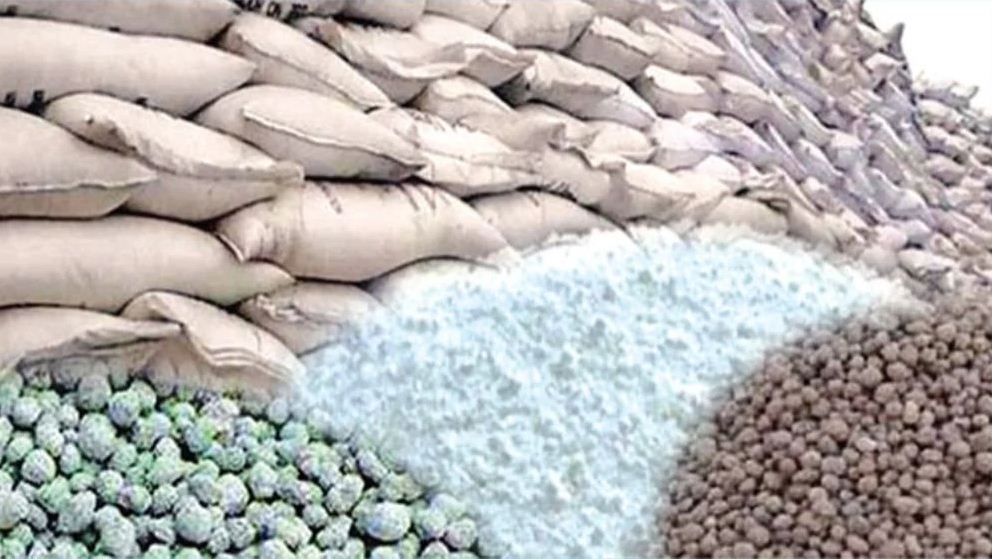
Clear the land, plough and ladder it, and dig 60×60×60 cm pits 4 metres apart between rows and between trees. Mix 20 kg of rotted cow dung, 250 grams of TSP and 250 grams of MP fertiliser into each pit, fill it and leave it for 15-20 days. Plant the seedling upright in the exact centre of the pit and water it right after planting.
Every year, trees aged 1-2 years should get a total of 15-20 kg of cow dung, 200 grams of urea, 200 grams of TSP and 200 grams of MP in two instalments, in February and October. Irrigate right after applying fertiliser, and increase the amount each year as the tree grows older.
For about 3 years before fruiting, the total urea and MP can be divided and applied every 2 months to help the tree grow quickly. A fruiting tree of 8-10 years should get 150-175 grams of urea, 150-175 grams of TSP and 125-150 grams of MP each in February, May and October every year.
Pests and harvest
Pest attacks are not common, but mealybugs attack the fruit. Because the trees are small, the pest can easily be controlled by hand. A type of ant (the green tea ant) can cause trouble by building nests, and it must be controlled.
The fruit matures within 3-4 months of flowering, turning from light green to yellowish green. Mature fruit starts to ripen within 1-2 days of picking and softens quickly once ripe. A single tree can bear about 100 fruits.
Source: Jagonews24. First published in Bengali on The Agro News.


Comments
(0)