

Researchers at the University of Kentucky's Martin-Gatton College of Agriculture, Food and Environment and the US Department of Agriculture have found that mating changes the waxy chemical coating on New World screwworm flies, a pest whose maggots destroy the living tissue of cattle and other warm-blooded animals, Morning Ag Clips reports from a university release.
"New World screwworms are not worms but the larvae of a parasitic fly known as Cochliomyia hominivorax," said entomologist Zain Syed, who led the study published in the Journal of Medical Entomology. Females lay eggs in wounds or body openings, and the larvae burrow into tissue, causing painful wounds that can kill if untreated. The US eradicated the pest in 1966 by releasing sterile males, but it has returned to parts of Central America and Mexico, and in June 2026 USDA confirmed a case in a calf in Zavala County, Texas; the CDC says the current risk to people and animals in the US is very low.
The team examined cuticular hydrocarbons, waxy substances that stop insects drying out and can carry information about species, sex and reproductive state. Across 21 major hydrocarbon peaks, males and females carried the same compounds but in clearly different proportions: males more lighter hydrocarbons, females more long-chain ones. Mating reshaped the profiles, most strongly in females, and many of the most-changed compounds were branched hydrocarbons, which play roles in mate recognition in other insects.
The changes could help explain why female screwworms generally mate only once, and a better grasp of mating could support the sterile insect technique, which depends on lab-reared sterile males winning wild females. The study did not test whether the compounds change the flies' behaviour, and it offers no immediate field solution.
"The exciting next step is to determine whether screwworm flies detect these chemical changes and whether they influence subsequent courtship and mating," Syed said. He has received a seed grant to continue work on screwworm traps. USDA advises animal owners to inspect wounds, watch for enlarging or foul-smelling sores and call a vet if they suspect the pest.
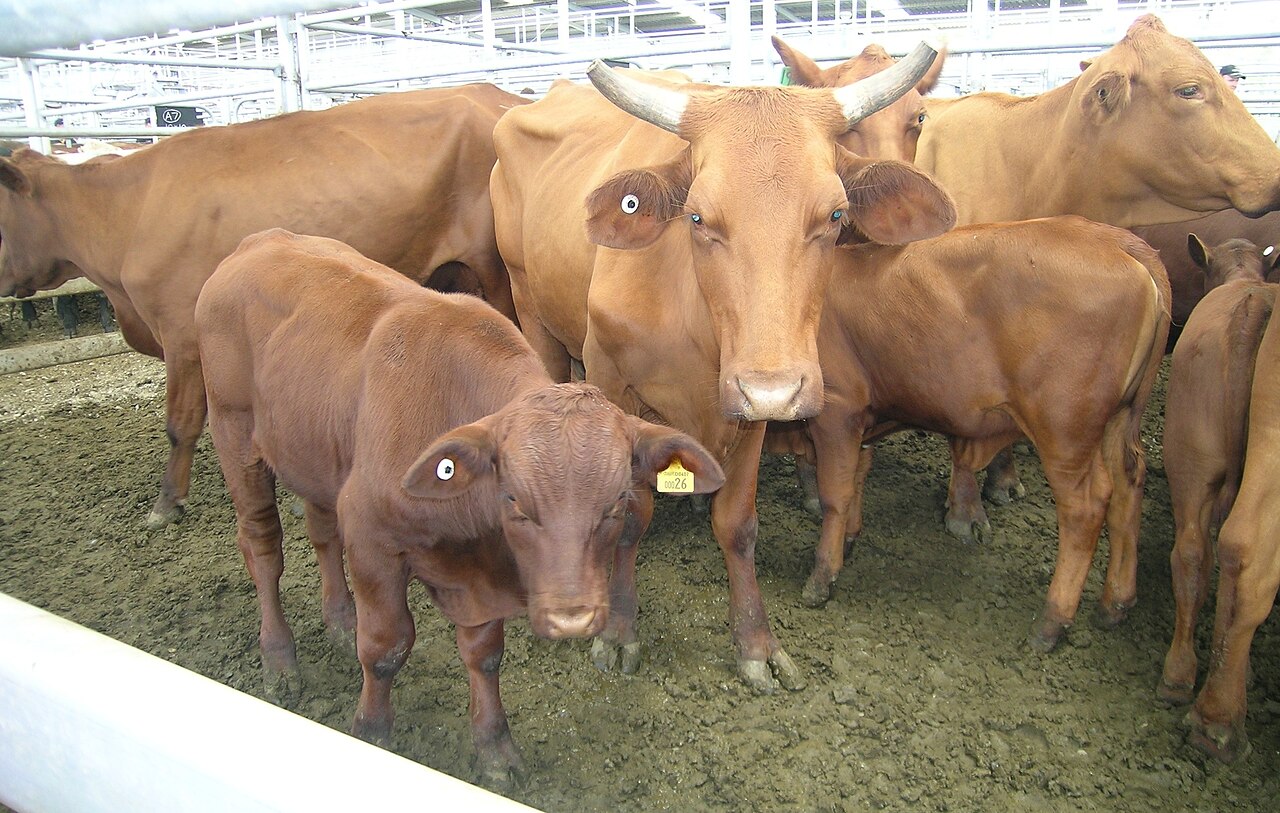
Photo: USDA / Wikimedia Commons (public domain)
Source: Morning Ag Clips


Comments
(0)