
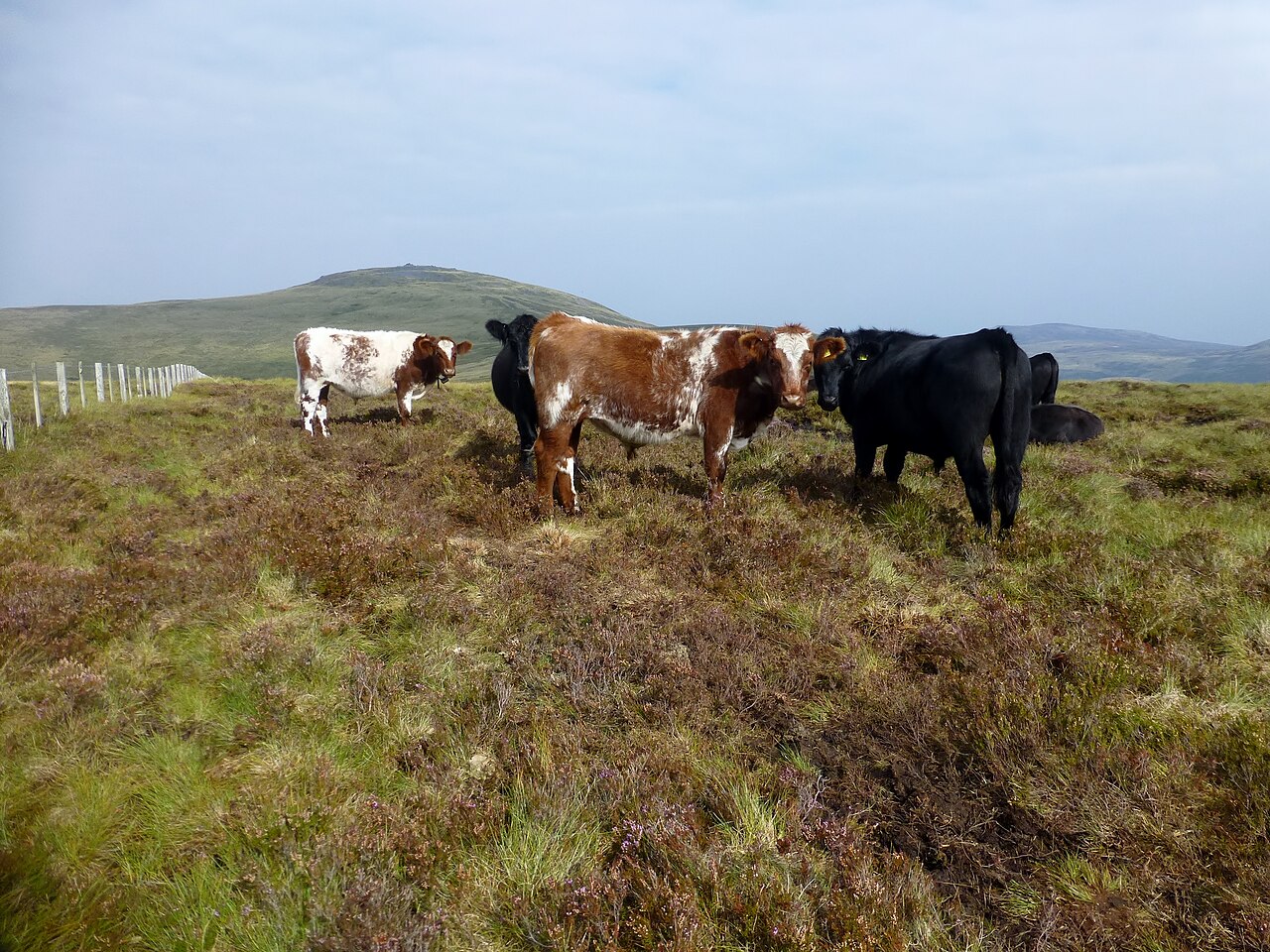
Scotland's beef supply is showing signs of stabilising, with July 2026 cattle population data showing more prime cattle than a year earlier and a further slowdown in the decline of the national breeding herd.
Males and beef-sired females aged 12 to 30 months were up 1.8 per cent year on year, from a 1.6 per cent rise in April. The 24–30-month bracket grew 3.4 per cent and the key 18–24-month group 2.2 per cent, while a 1.1 per cent rise in cattle aged 12–18 months supported young bull slaughter over the summer and should help supplies through autumn and winter. The gains reflect lower-than-expected slaughter and more stock kept on farms.
"The latest Scottish data points to a more stable supply position than we have seen for several years, although the market remains finely balanced," said Iain Macdonald, market intelligence manager at Quality Meat Scotland (QMS).
Across Great Britain, cattle aged 12–30 months returned to slight growth in July after two years of decline, though the main 24–30-month slaughter category remains 3 per cent below a year earlier. Store cattle competition has not eased: auction volumes have stayed tight all year and prices close to 2025's strong levels, which QMS links to scarce suckler-bred calves and more beef-sired dairy calves moving through dedicated supply chains.
Slaughter remains subdued. Under-30-month slaughter fell more sharply than expected in 2025 with little recovery in 2026, possibly because fewer heifers are being killed as producers rebuild herds; slower demand and heavier carcases have also held throughput down. The number of Scottish cattle going directly to slaughter outside Scotland rose 36 per cent in the first half of 2026.
Longer-keep stores should be relatively plentiful this autumn, QMS says, but yearling numbers may be tighter after lower calf registrations in the second half of 2025.
The report was written by Kelly Henaughen.
Photo: Rude Health / Wikimedia Commons (CC BY-SA 2.0)
Source: The Scottish Farmer
Comments
(0)