
Milk and food producers in England and Wales are under pressure from the hottest summer on record, and Scottish producers are being asked to fill the gaps. Britain's 2026 summer brought five intense heatwaves and historic dry spells that triggered drought declarations and hosepipe bans, leaving poor grazing, stunted harvests and heat-stressed livestock south of the border.
Bryce Cunningham, founder of Mossgiel Organic Dairy in Ayrshire, told the Press Association he had received three calls in about ten minutes from businesses asking what milk he could supply the following week, a level of interest the farm had never seen. "The drought has caused serious supply issues across the dairy industry," he said. "Organic milk is generally quite difficult to get at this time of year anyway, but the drought has amplified that."
By 11 September Mossgiel had sent about 56,000 litres of Scottish organic milk, roughly two large tankers, to England, and had been asked for a further 40,000 litres it did not have. "In the dairy industry, 56,000 litres of milk is relatively small beans, but in organics, it's quite substantial," Cunningham said. Agriculture and Horticulture Development Board figures put UK daily milk collections about 1.24 million litres, or 3.7 percent, below the same week last year as heat stress and drought cut output.
Scottish producers have largely escaped the worst, though Mossgiel's cows have felt some heat stress. "The bigger worry for us all is that if this happens once in ten years, then that's a hard thing to take, but you can recover from it," Cunningham said. "But what happens if this is the new normal? We are in the middle of summer and we can't graze animals and we can't grow food because it's too dry and too hot." Fruit is following the same pattern: Angus Morrison of the cider maker Lost Orchards said Scotland had a bumper crop while heat and drought caused "calamity on the orchard crops" in the south. Reporting by Nick Forbes and Danyel VanReenen.
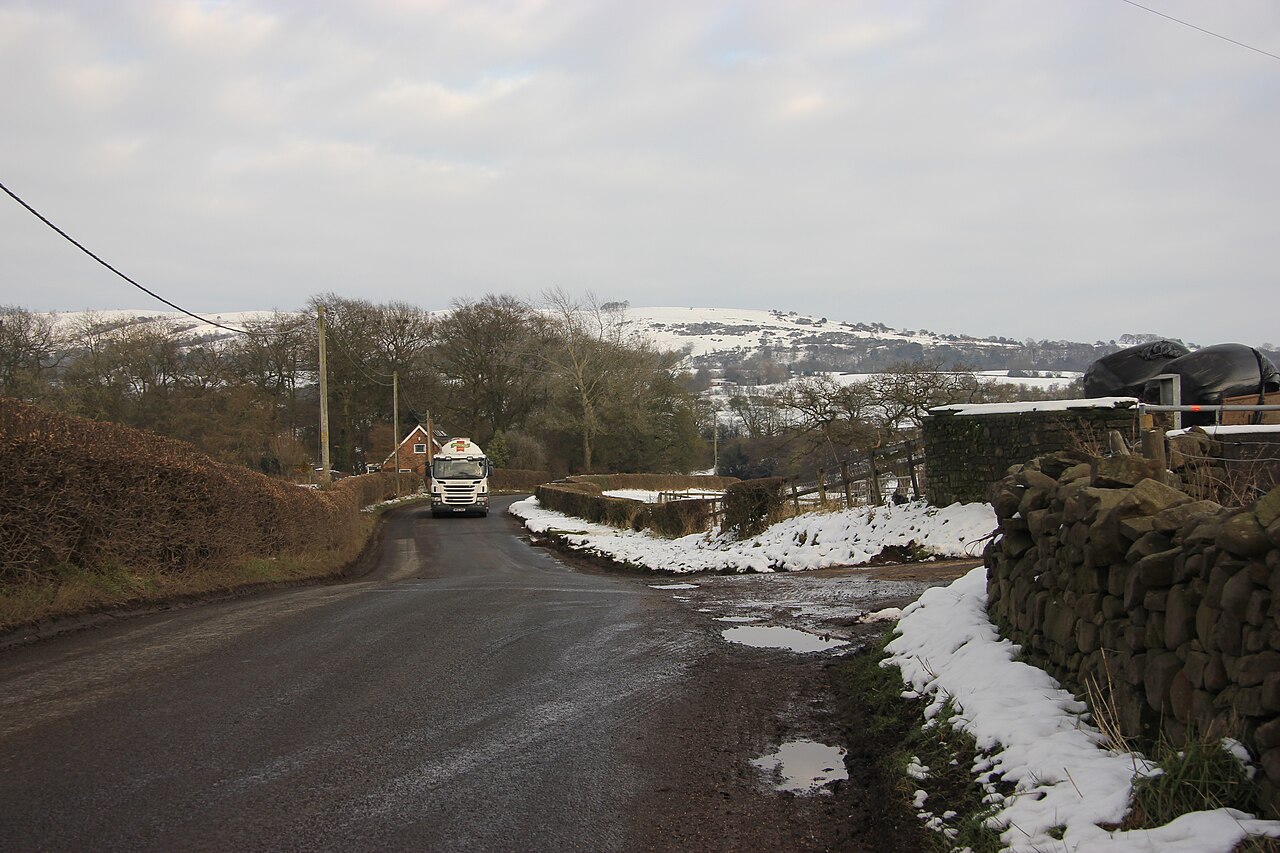
Photo: Peter Turner / Wikimedia Commons (CC BY-SA 2.0)
Source: The Scottish Farmer
Comments
(0)