
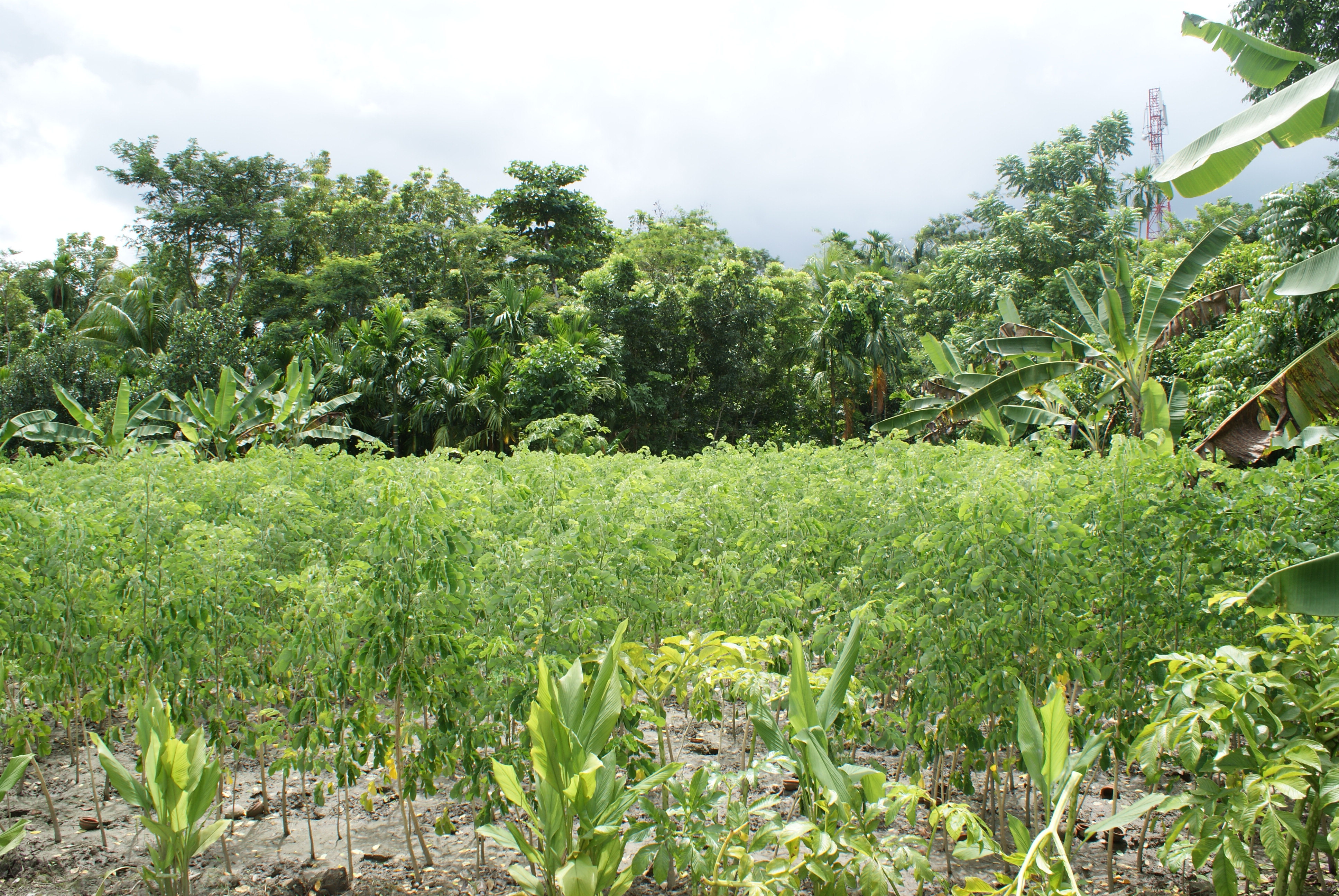
Students at schools, colleges and madrasas in Bangladesh were to be given the work of planting and looking after trees, and their annual examination report cards were to carry marks for it, under a 180-day action plan that the education ministry finalised in March 2026. Jagonews24 reported the plan on 27 March 2026. The students would plant saplings supplied by the government and care for them, while teachers would watch how each tree grew and how well it was looked after.
According to the report, the mark sheet (report card) given after the annual examination would include marks for tree planting and care, and a student whose tree grew well with proper care would receive more marks. The step was taken to carry out the "One Child, One Tree" programme, a pledge of the BNP, which had formed the government. The action plan that set out the details was finalised on 24 March 2026 at a meeting chaired by Dr A N M Ehsanul Haque Milon, Minister for Education and for Primary and Mass Education.
What the action plan said
The plan said that, to implement "One Child, One Tree", an administrative order would be issued to involve every student in a tree-planting programme every year as part of their education. Students of every school would plant trees at their own homes, on school grounds and playgrounds, and on vacant land nearby.
Under the teachers' supervision the students would first learn how to look after a tree. Each child would then be made responsible for the care of his or her own tree. Teachers would monitor the trees' growth, and the marks for planting and care would be entered in the environment assessment section of the annual exam report card.
The plan required the supply of saplings to be ensured from the local forest department and agriculture offices. The places for planting would be chosen with the involvement of the local union parishads, municipalities and city corporations, the elected local government bodies of villages, towns and the large cities.
To put the plan into effect, the Directorate of Secondary and Higher Education (DSHE, known in Bengali by its initials as Maushi) was to issue instructions on the programme, which it called "Ekti Shishu, Ekti Gachh" (One Child, One Tree), and a media campaign was to be run to raise awareness.
On the aims, the plan said students would plant and care for at least one crore (10 million) trees a year. This, it said, would strengthen the environment and the country's capacity to adapt to climate change, and would at the same time build a sense of responsibility and leadership among students. The plan also provided for the students' success to be publicised in the media to encourage them further.
B M Abdul Hannan, director general (additional charge) of the DSHE, told Jagonews24: "The matter has been given priority in the 180-day action plan. An administrative order will be issued soon on the education ministry's instructions. The DSHE will give educational institutions full instructions on implementing the One Child, One Tree programme."
A 180-day programme announced after Eid
The minister had announced the wider programme three days before the report. On 24 March 2026, a Tuesday and the first working day after Eid ul-Fitr, he set out a 180-day special priority programme for the education sector at an Eid greetings meeting with the ministry's officers and staff in its conference room, the state news agency BSS reported the same day. Senior officials of the Secondary and Higher Education Division, the Technical and Madrasah Education Division and the Primary and Mass Education Division attended.
According to BSS, the minister discussed the 180-day programme, the plan for the 2026-27 financial year and a five-year strategy for the education sector, framed around the BNP's manifesto for the 13th parliamentary election. He said that "One Teacher, One Tab", multimedia classrooms, compulsory learning of a third language, technical education for all and the "One Child, One Tree" programme would be implemented to modernise education and make it inclusive. He also stressed free school uniforms and shoes, loans for students going abroad for higher studies, and honouring those who have memorised the Quran (hafez).
The meeting decided that free school uniforms and canvas shoes would be given to more than two lakh students across every upazila within 180 days, and that tablets would be supplied within a year to all teachers of primary, technical and madrasa institutions and of schools and colleges. It also decided to start mathematics olympiads at upazila level and to make debate competitions and debate clubs compulsory in every educational institution. The minister told officials to clear the backlog in primary teacher training, if necessary by running training in more than one shift. Tree planting was therefore one of several pledges grouped in the same 180-day programme.
The primary-school plan: five crore trees in five years
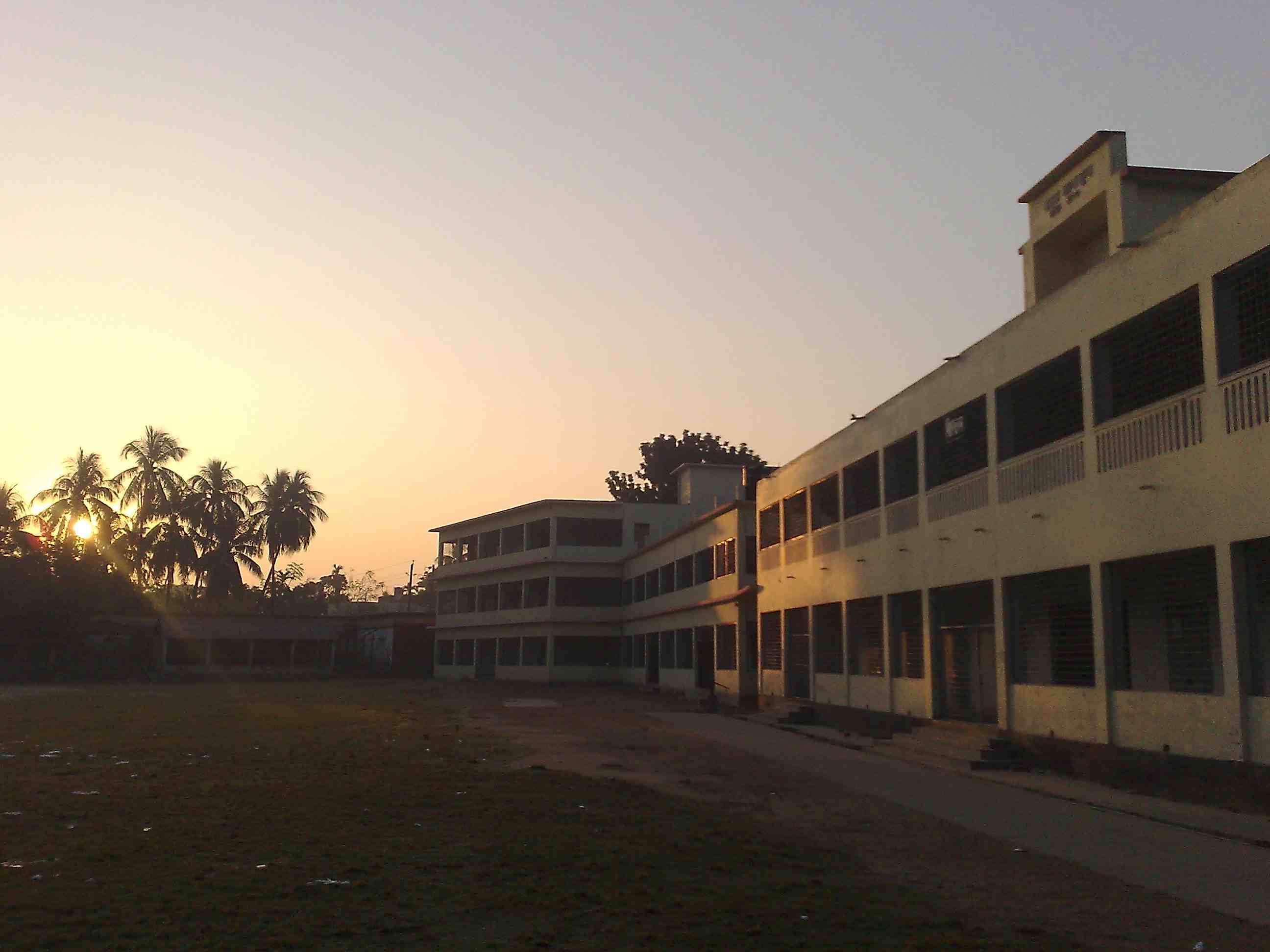
The secondary-level plan followed one drawn up earlier for primary schools. On 8 March 2026 the newspaper Chattogram Protidin reported that the Directorate of Primary Education (DPE) had taken up a plan to plant five crore (50 million) trees in five years through the pupils of government primary schools under "One Child, One Tree". According to DPE sources quoted in the report, the programme was part of the government's plan to plant 25 crore trees across the country. The report was reposted the same evening on Shikkhok Batayon, the government's online portal for teachers.
Under that plan, each pupil would be given one sapling every year and would receive Tk 500 a year for each tree to look after it. Planting and care would be linked with the academic curriculum, with an assessment at the end of the year intended to raise the pupils' environmental awareness. About 1 crore 6 lakh (10.6 million) pupils were then studying in government primary schools; through them about 80 lakh trees would be planted each year, with about 20 lakh more on school premises, making one crore a year and five crore over five years.
The report set out how the Tk 500 for each tree was budgeted:
- Tk 50 for digging the pit, preparing the soil and planting the sapling;
- Tk 150 for fertiliser and care;
- Tk 150 for a fence to protect the tree;
- Tk 150 for watering and later care.
Trees were to be planted on the grounds and yards of about 65,000 schools, and around the pupils' homes. The Forest Department would supply the saplings free of charge, and the 20 lakh trees on school premises would be looked after under the directorate's own management. Schools that planted and cared for trees successfully would be chosen as the best "green schools" and rewarded, and discussions, exhibitions and other learning activities on tree growth and conservation would be organised.
According to the report, the DPE had written to its eight divisional education offices, after discussions with the environment ministry, asking for lists of how many trees each primary school could take, and on 2 March it had sent a detailed action plan to the Ministry of Primary and Mass Education. Its timetable began with awareness work and preparatory meetings, followed by choosing the kinds of trees, collecting saplings and fixing the planting sites in March and April in coordination with the local administration and the agriculture and forest departments. Final preparations were to be completed by May, and planting could begin in June.
The same report said that after a review of the tree-plantation cell with the prime minister at the Secretariat on 4 March, the Minister for Environment, Forest and Climate Change said a target had been set to plant five crore trees across the country within a year, and that the work could begin in May. The DPE's director general was quoted as saying that the plan was to plant one crore trees through pupils in the first year, and that it was not only a tree-planting programme but a first lesson in environmental awareness for the children.
Where the saplings come from
The action plan relies on two networks the government already runs: forest department nurseries and agriculture offices. Banglapedia, the national encyclopaedia, records that the Forest Department's extension work began in 1962-63, when two forest extension divisions, one at Rajshahi and the other at Dhaka, were created to raise and distribute seedlings and a tree-planting day on 1 June was introduced. The campaign, at first a single day, was later extended to a week, then to a month and then to a three-month period.
Projects financed by the Asian Development Bank widened that network. Banglapedia says the Upazila Afforestation and Nursery Development project, which covered the whole country except the Sundarbans and the greater Chittagong Hill Tracts districts, set targets to develop, upgrade and maintain community forestry centres as Forestry Extension Nursery and Training Centres, to set up another 345 nurseries in the upazila complexes, to raise and distribute 10.97 million seedlings from the new upazila nurseries, and to help establish 100 private nurseries by training entrepreneurs and giving them financial help.
In June 2024 the then Minister for Environment, Forest and Climate Change told the news agency UNB that from 2009-10 to 2022-23 about 2,17,402 hectares of block plantations and 30,252 km of strip plantations had been raised, and that more than 112 million seedlings had been distributed and planted. For the monsoon of 2024 the government planned to plant 83.33 million seedlings across the country, he said.
Bangladesh's tree cover in figures
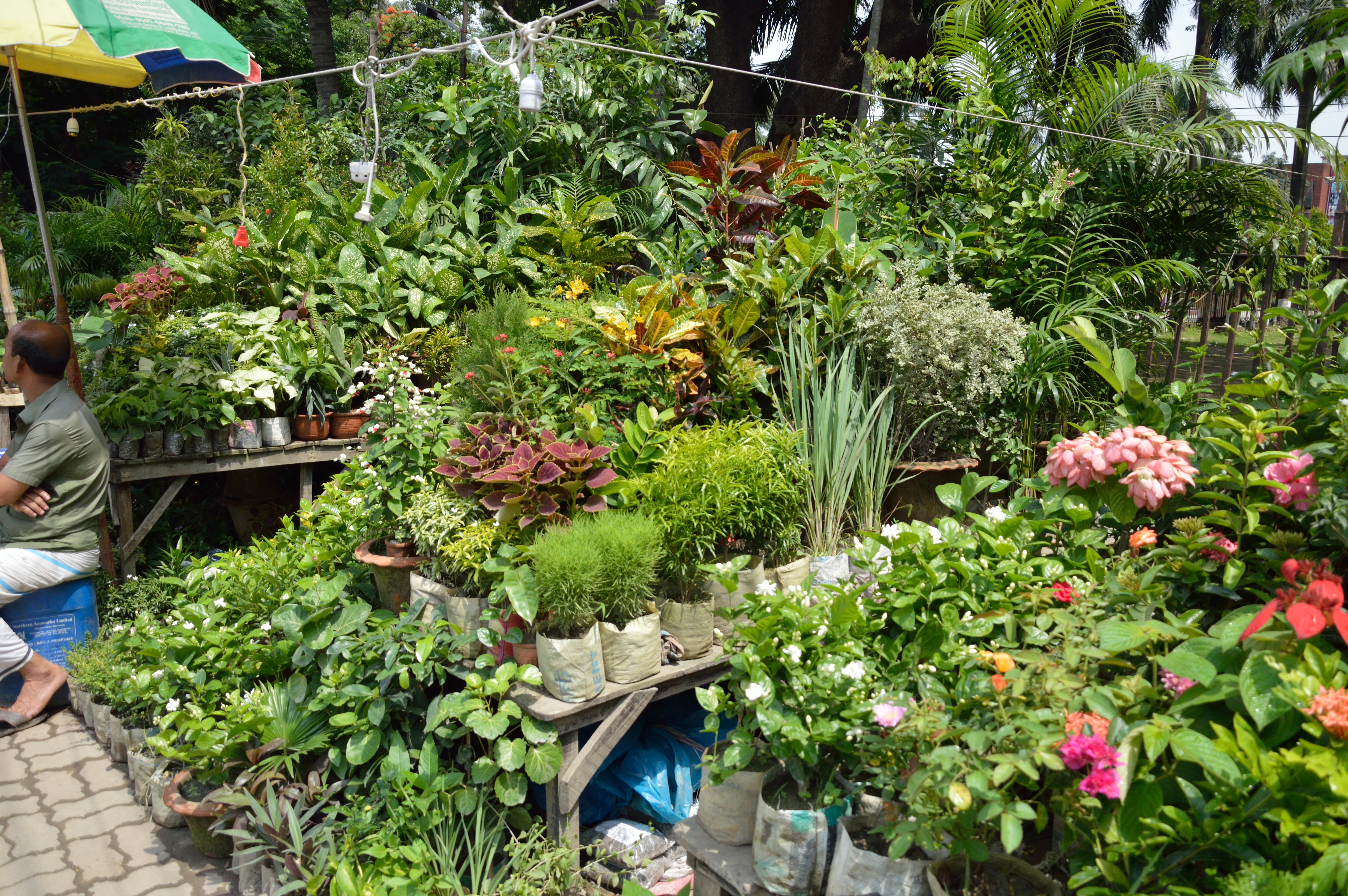
The government's tree-planting drives have been measured against the share of land under trees. In March 2021, at a Forest Department discussion in Agargaon, Dhaka, the then environment minister said tree-covered land had increased to 22.37 per cent of the country's land area and that steps had been taken to raise it to more than 24 per cent by 2025, The Financial Express reported on 12 March 2021.
Three years later the ministry gave UNB both measures side by side: forest coverage of 14.1 per cent and tree cover of 22.37 per cent, with targets of raising them to 16 per cent and 25 per cent of the land area by 2030. The two figures describe different things: the first is the area of forest, the second the wider area of land covered by trees.
The ministry linked these targets to the National Action Program for Combating Desertification, Land Degradation and Drought for 2015-2024, to the aim of "land degradation neutrality" by 2030 under the UN's Sustainable Development Goal 15 and the decisions of the 13th conference of the UN Convention to Combat Desertification, and to a national roadmap on land degradation for 2021 to 2041. It also said that from 2009 to 2023, 1,60,699 people taking part in social forestry had received dividends totalling Tk 32.695 billion, and that about 30,000 acres of encroached forest land had been recovered between October 2020 and April 2024.
From a planting day to a national programme
Involving the public in planting trees has a long history in Bangladesh. According to Banglapedia, after independence a new forest policy was adopted and efforts to implement it began in 1972 under the call "Forestry for all", which put more emphasis on extending tree resources beyond the reserve forests by planting on fallow and marginal land and in village groves. Social forestry gained more importance from 1980, and new forest divisions were created in Rangpur, Pabna, Bogra, Kushtia and Faridpur, districts with little or no forest.
Banglapedia describes the Asian Development Bank financed community forestry project, carried out from 1982 to 1987 in seven districts (Dinajpur, Rangpur, Pabna, Rajshahi, Bogra, Kushtia and Jessore), as the start of social forestry in the real sense. The bank lent 11 million US dollars and the United Nations Development Programme provided 2 million dollars through the Food and Agriculture Organization as technical assistance. The project planned about 4,800 km of strip plantations along roads, railways and canal embankments, and for the first time it brought women in as participants in community forestry. A Coastal Green Belt project followed in 1994-95 in 10 coastal districts, aimed at reducing the loss of life and property in cyclones by increasing tree cover.
Schools have long been part of the country's environment calendar. Around World Environment Day in June 2024, painting and debate competitions were organised in schools across the country, and the environment ministry announced the first "Wildlife Olympiad" to involve students in wildlife conservation, UNB reported. What the 2026 plan added was a tree of each student's own, cared for over the year and marked on the report card.
Homestead trees and what grows where
Much of the planting under the plan was to happen at the students' homes. Banglapedia notes that, because of the high population density, homesteads in Bangladesh are generally fragmented and may cover only about 0.16 hectare. So far about 150 species of trees, 55 species of shrubs and 100 species of climbers and herbs have been identified as homestead plants. Almost all fruits, firewood, timber, fodder and household materials come from them, and homestead plants provide about 70 per cent of all kinds of wood.
The trees people plant differ with the land. Banglapedia lists coconut, betel nut, rain tree, Manila tamarind, mango, black berry (jam), coral tree, Indian fir, Indian jujube, hijal, several bamboos and fig as common in the southern and coastal regions; coconut, mango, jackfruit, black berry, rain tree, wild date palm, palmyra palm, betel nut, guava and bamboo in central Bangladesh; and mango, jackfruit, koroi, litchi, wood apple, tamarind, carambola, olive, lime, banana, guava, papaya and bamboo on homesteads above flood level. In recent decades the exotic mahogany, sissoo, acacia and eucalyptus have also been widely chosen.
The same encyclopaedia warns that about 10 per cent of homestead trees are being removed every year without replacement, as population grows and towns spread. For crop land in the Gangetic floodplain, studies it cites suggest babla, khair, date palm, jackfruit, palmyra palm and mango as the main trees, and for the high land of the Tista floodplain neem, mango, khair, sissoo, jackfruit and some bamboos. The action plan as reported on 27 March did not name the species the students would plant.
The bodies named in the plan
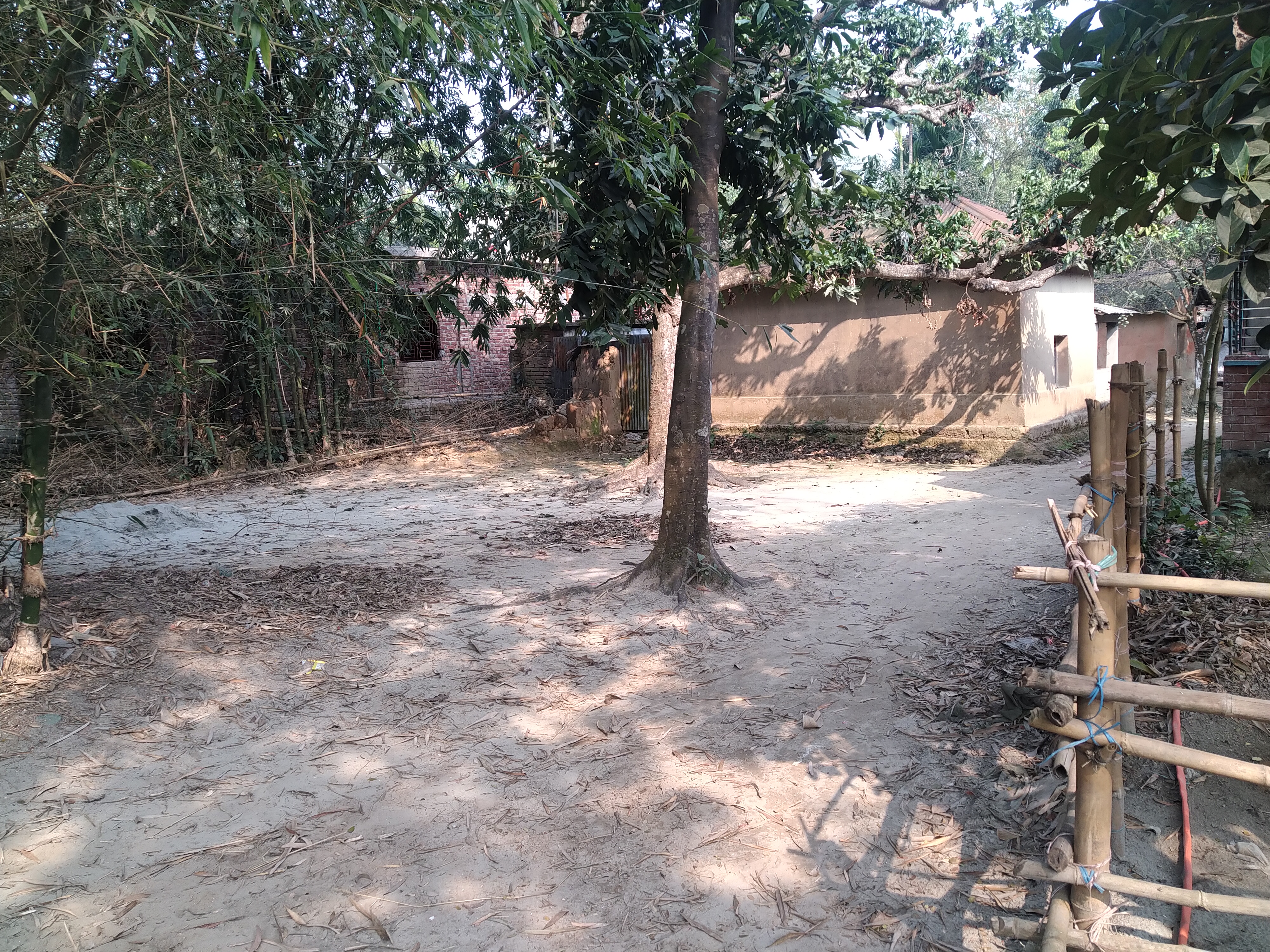
The Directorate of Secondary and Higher Education, which was to issue the instructions, works under the Ministry of Education and is responsible for secondary schools and colleges. Its roots lie in the office of the Director of Public Instruction, a post that Sir Charles Wood's Education Despatch of 1854 created in every province of British India, according to Banglapedia. The Bangladesh government converted the Directorate of Public Instruction into the DSHE in 1981.
The Directorate of Primary Education, which prepared the primary-school plan, works under the Ministry of Primary and Mass Education. In March 2026 both ministries were headed by the same minister, who chaired the 24 March meeting.
The Forest Department, which was to supply the saplings, now works under the Ministry of Environment, Forest and Climate Change. Banglapedia records that a Forest Department was first established during British rule on 1 November 1864, and that after 1980 new forest circles and divisions were created to bring districts with little or no forest under social forestry.
Union parishads, municipalities (pourashavas) and city corporations, which the plan asked to help find places to plant, are the elected local government bodies for rural unions, towns and the large cities.
Photo: Nazmulhuqrussell / Wikimedia Commons (CC BY-SA 4.0)
Sources: Jagonews24, Bangladesh Sangbad Sangstha (BSS), Chattogram Protidin (via Shikkhok Batayon), The Financial Express, United News of Bangladesh (UNB), Banglapedia, Wikipedia
Comments
(0)