
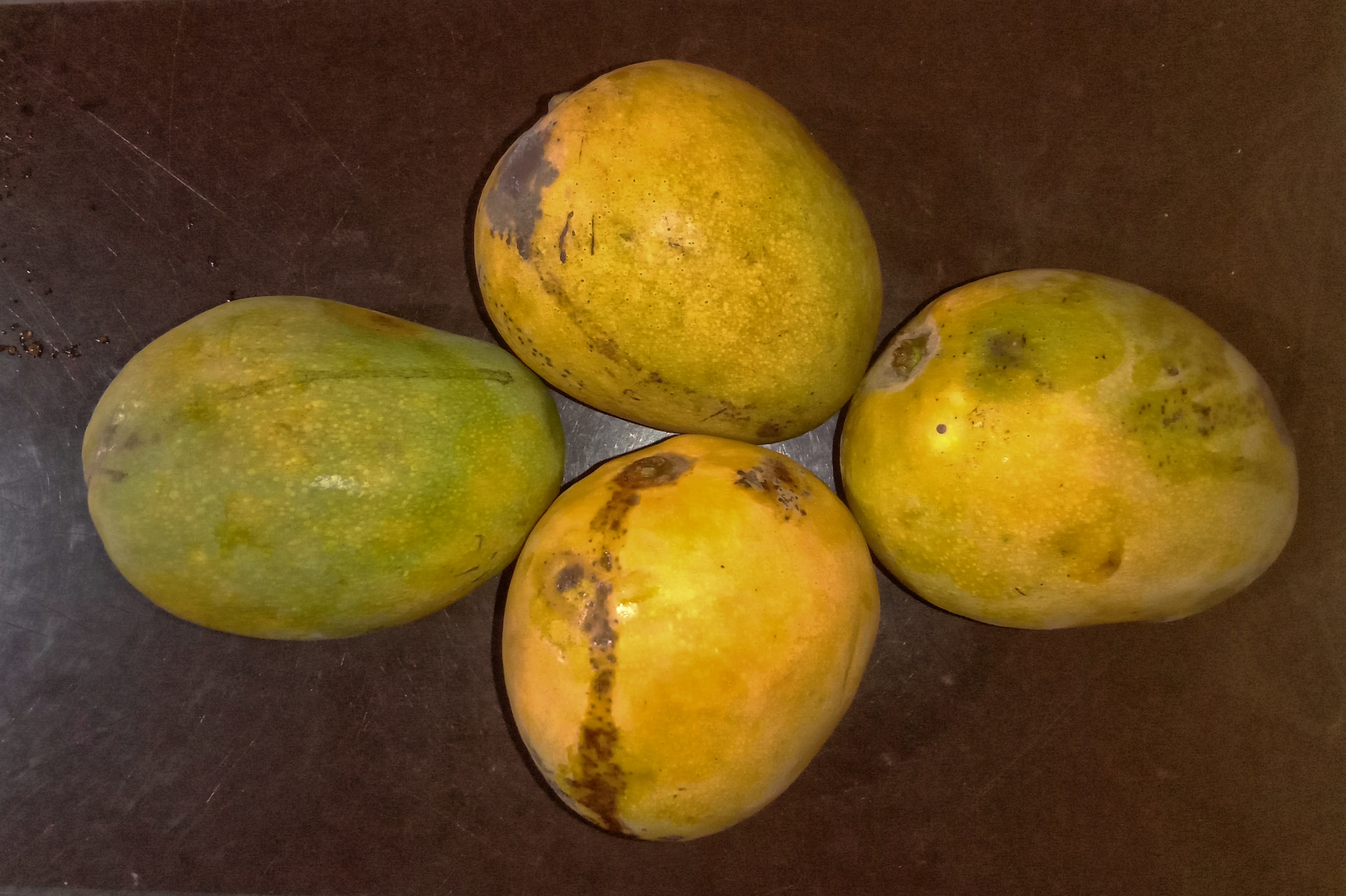
The district administration in Satkhira, in south-western Bangladesh, announced on Sunday 26 April 2026 the calendar that would govern mango picking in the district for the 2026 season. Under it, Himsagar, the variety for which Satkhira is best known, could be picked and sent to market from 15 May. Deputy Commissioner Afroza Akhter made the announcement at a meeting held that afternoon in the deputy commissioner's conference room in Satkhira town.
The meeting brought together the officials who would enforce the calendar and the growers who would have to follow it. Present were agriculturist Saiful Islam, deputy director of the Department of Agricultural Extension (DAE) in Satkhira; agriculturist Iqbal Ahmed, the DAE's additional deputy director in the district; and Liaqat Ali, a leader of the district's mango growers' association, along with others concerned with the trade. The state news agency BSS, reporting from Satkhira the same evening, carried the same dates and the same list of participants.
The 2026 picking calendar
The calendar set a start date for each group of varieties rather than a single opening day for the whole crop. The dates announced on 26 April 2026 were:
- From 5 May to 26 May: local varieties, including Gopalbhog, Gobindabhog, Golapkhas, Baishakhi and Bombai.
- From 15 May: Himsagar and Khirsapat.
- From 27 May: Langra.
- From 5 June: Amrapali.
DAE deputy director Saiful Islam said the picking dates for Langra and Amrapali had been brought forward somewhat at the request of growers. He said he expected the fruit to reach maturity within the times that had been set, so that the earlier dates would not mean less mature mangoes reaching buyers.
He also said the administration would keep strict watch to stop immature mangoes from being picked and marketed. Keeping immature fruit off the market was the stated purpose of the calendar, as it had been in earlier seasons. The calendar also gives traders, transporters and wholesale buyers who come to Satkhira from other parts of the country a fixed date from which each variety may lawfully leave the orchards.
How the dates compare with 2024 and 2025
Satkhira has issued a calendar of this kind in each of the preceding seasons, and the 2026 dates are best read beside the earlier ones.
In 2024 the calendar was announced at a meeting on safe mango marketing on Sunday 5 May in the deputy commissioner's conference room, according to Dhaka Tribune and Desh Rupantor reports of 6 and 7 May 2024. Deputy Commissioner Mohammad Humayun Kabir presided, and DAE deputy director Saiful Islam, additional deputy commissioner Sarwar Hossain and Sadar upazila nirbahi officer Shoaib Ahmad were among those present. Bombai and Golapkhas could be picked from 9 May, Gobindabhog from 11 May, Himsagar from 22 May, Langra from 29 May and Amrapali from 10 June. Growers and traders were asked to harvest and market by the schedule, and buyers were advised to follow it too. The deputy commissioner said, as The Financial Express reported on 8 May 2024, that the calendar was meant to uphold the reputation of Satkhira's mangoes and to prevent unripe fruit being marketed early.
In 2025 the harvest was formally opened on Monday 5 May by Deputy Commissioner Mostak Ahmed at the orchard of farmer Billal Hossain in Phingri union of Sadar upazila, The Business Standard reported. That year's calendar allowed the local varieties Gopalbhog, Gobindabhog, Golapkhas and Sharifakhas from 5 May, Himsagar from 20 May, Langra from 27 May and Amrapali from 5 June.
Set against those years, the 2026 calendar opened the local varieties on the same date as in 2025, 5 May, and gave Himsagar and Khirsapat an earlier start than either of the two previous seasons: 15 May, against 22 May in 2024 and 20 May in 2025. The Langra date of 27 May matched 2025 and was earlier than the 29 May of 2024, and the Amrapali date of 5 June matched 2025 and was earlier than the 10 June of 2024.
Satkhira's mango trade before the 2026 season
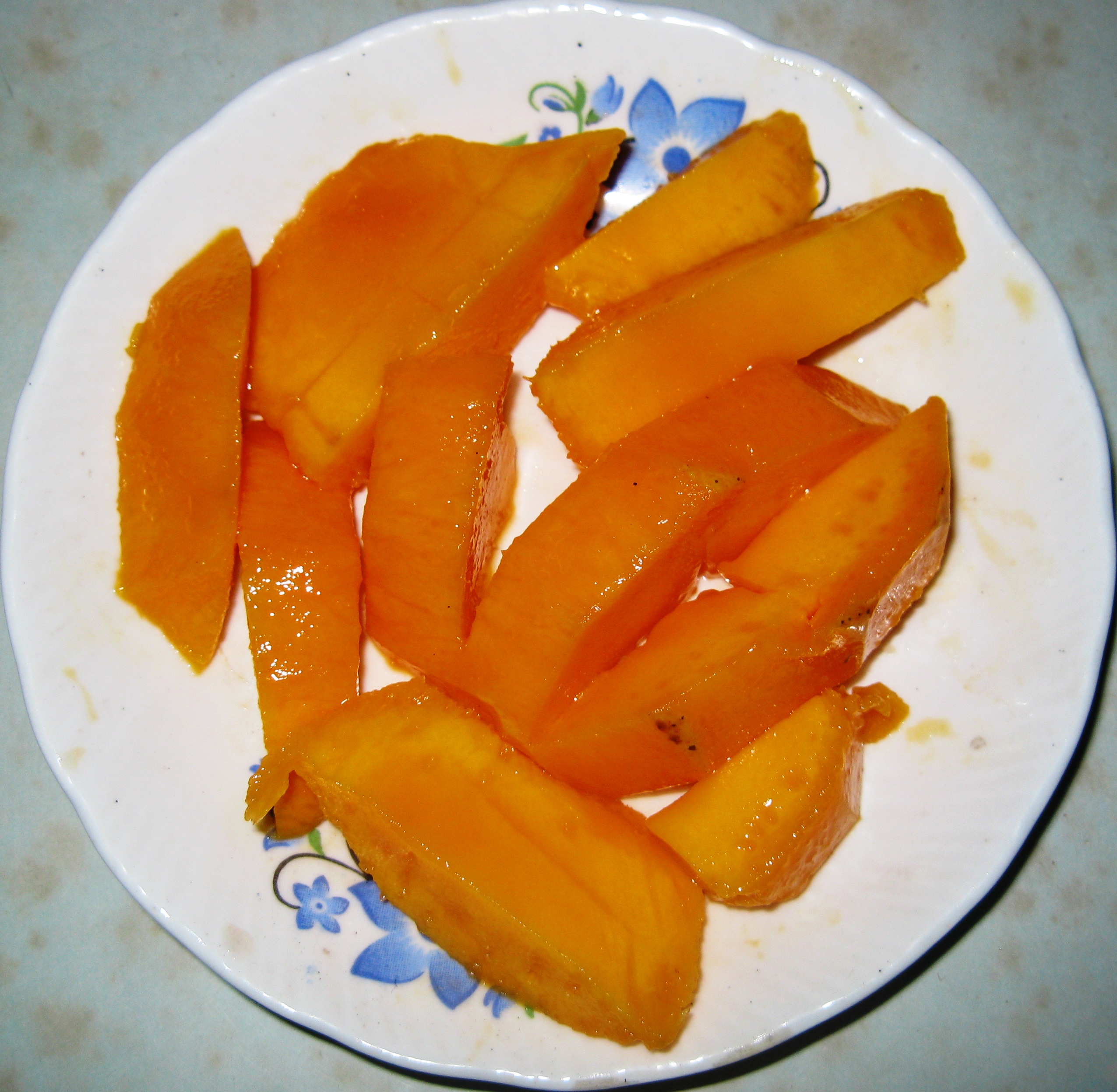
The last full season before this announcement gives a measure of what the calendar regulates. When the 2025 harvest opened, The Business Standard reported that the agriculture department had set a production target of 80,000 tonnes of mangoes for the district that season, with a market value of about Tk 400 crore, and that at least 100,000 people in the district, farmers and traders among them, were involved in the trade. On the opening day, Gopalbhog and Gobindabhog were arriving in quantity at Sultanpur Bara Bazar in Satkhira town, from where traders were sending them to Dhaka and other parts of the country.
At that opening, Deputy Commissioner Mostak Ahmed said the mango calendar had been announced so that safe, ripe mangoes would be marketed, with a set picking time for each variety. He said action would be taken if mangoes ripened with chemicals reached the market and that no syndicate would be tolerated in mango marketing. He also said, according to the same report, that since mango was cultivated more widely than jackfruit, the national fruit, the time had come to consider making mango the national fruit.
Md Monir Hossain, the Sadar upazila agriculture officer, told The Business Standard in May 2025 that Satkhira mango had become an established brand and that its reputation had to be kept. He said many farmers were under pressure from dadon, the advance payments taken against a future crop, and so did not get fair prices, and that the agriculture department was working on issues including farm credit.
Mango also appears among the district's exports. Reference profiles of the district list shrimp, mango, jute, crab and handmade clay tiles as its export products, and describe the Bhomra land port in the district as the second largest in Bangladesh.
Satkhira district: where the country's season begins
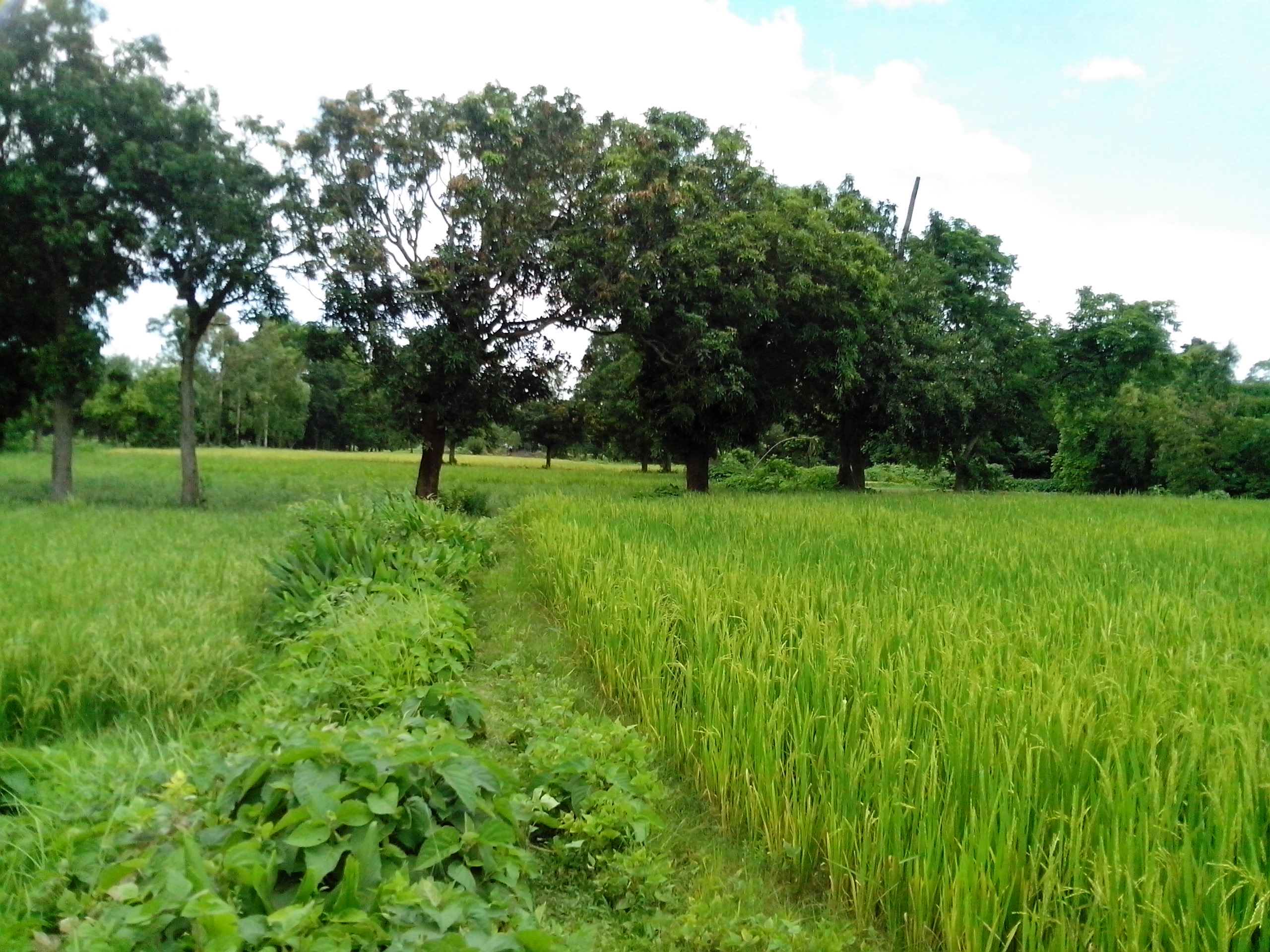
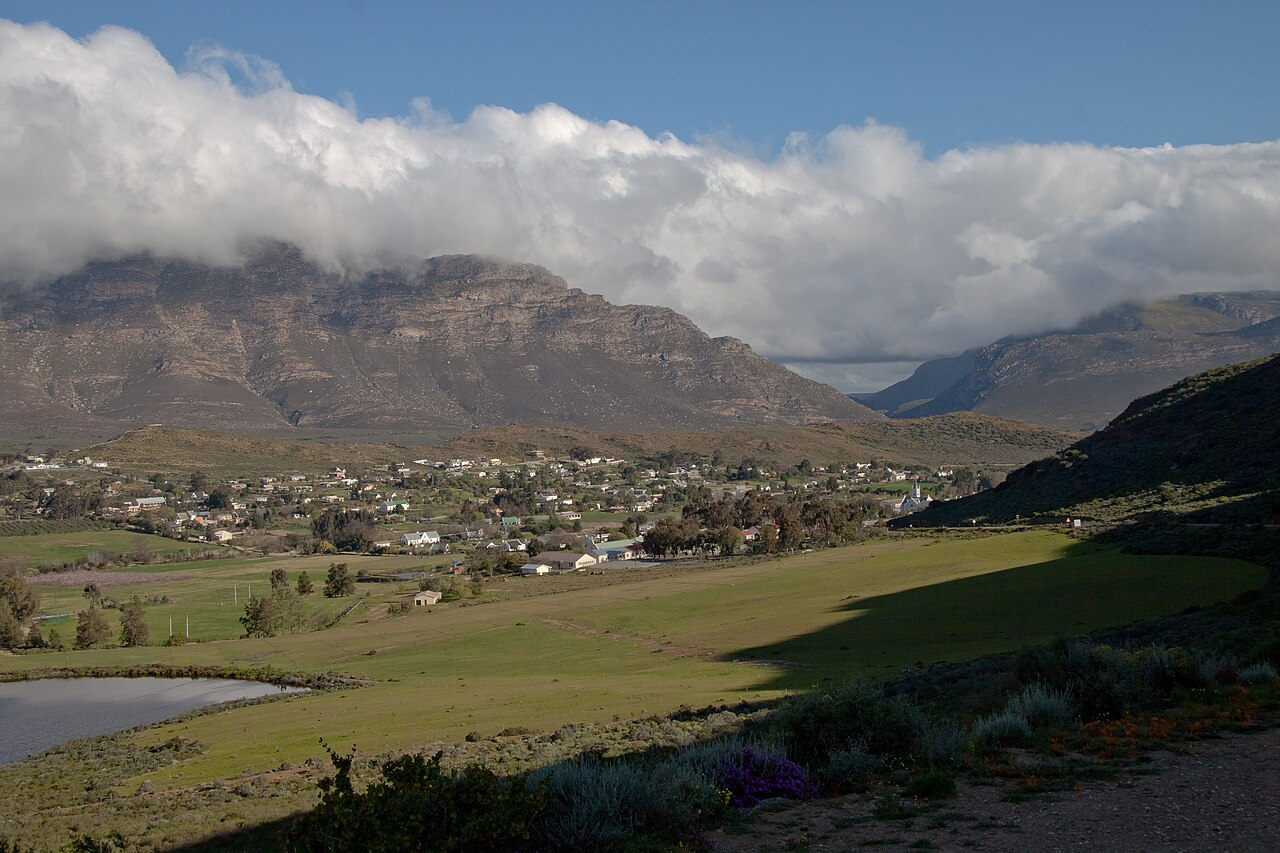
Satkhira is the south-western corner of Bangladesh and belongs to Khulna Division. The district covers about 3,817 square kilometres. It is bordered by Jashore district to the north, the Bay of Bengal to the south, Khulna district to the east, and the North and South 24 Parganas districts of West Bengal, India, to the west. Its population was 2,196,582 at the 2022 census, against 1,985,959 in 2011.
The district has seven upazilas: Assasuni, Debhata, Kalaroa, Satkhira Sadar, Shyamnagar, Tala and Kaliganj. Its rivers include the Kopotakkho, Morichap, Kholpetua, Betna, Raimangal, Hariabhanga, Ichamati, Betrabati and Kalindi-Jamuna, and part of the Sundarbans, the world's largest single block of tidal mangrove forest, lies within its southern edge. Satkhira became a district on 1 March 1984, having earlier been a subdivision first of Jashore and then of Khulna.
The climate is tropical savanna, with an annual average maximum temperature of about 35.5 degrees Celsius, a minimum of about 12.5 degrees, and annual rainfall of roughly 1,700 millimetres. Rice is the main crop, with jute, wheat and betel leaf; mango, jackfruit, papaya, litchi, coconut and guava are among its fruits. In the south of the district, shrimp and fish farming in enclosed ponds known as gher dominate the economy.
Satkhira's mangoes come to market earlier than those of the northern mango belt, and the calendars show it. In 2025, while Satkhira allowed Himsagar from 20 May, the Rajshahi district administration's calendar, reported by the Dhaka Tribune on 7 May 2025, allowed Himsagar or Khirsapat only from 30 May and Langra from 10 June.
The varieties on the calendar
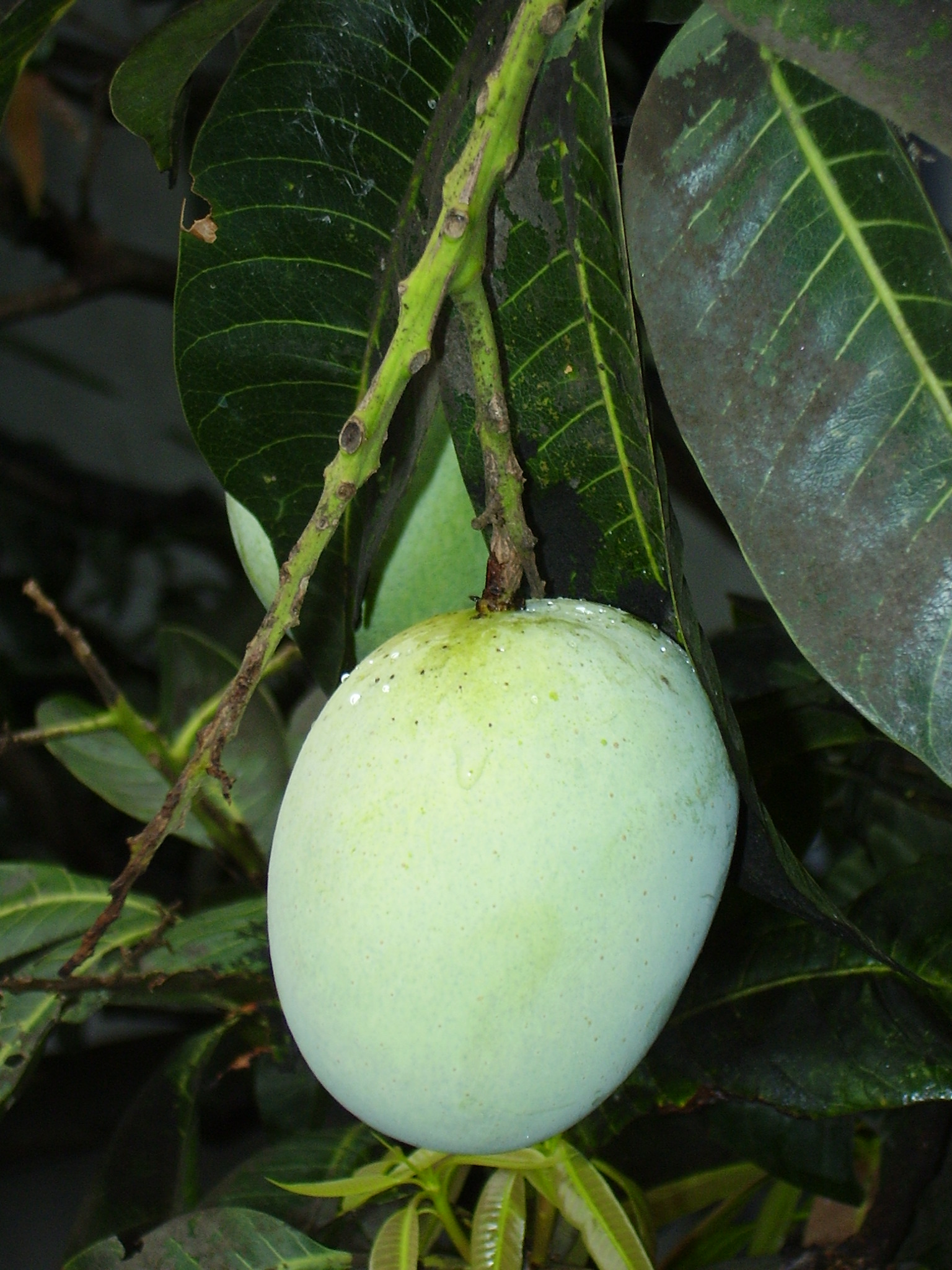
Himsagar is a Bengal mango, grown in what is now Bangladesh and in the Indian state of West Bengal. The fruit is medium-sized, weighing about 250 to 350 grams, and its pulp makes up roughly 77 per cent of the fruit's weight. The flesh is yellow to orange and has no fibre, and the fruit keeps well. It ripens in May and is usually in markets from the second week of May to the end of June. In India, Malda's Khirsapati (Himsagar) mango is registered as a geographical indication of West Bengal.
Khirsapat, named alongside Himsagar on Satkhira's calendar, is often confused with it, though reference works treat the two as separate varieties. Khirsapat is a medium-sized, round, fibreless and aromatic mango grown mainly in Chapainawabganj district, with Shibganj upazila the largest producer. Chapainawabganj's Khirsapat mango was registered as a geographical indication of Bangladesh, with the certificate issued on 27 January 2019, the country's third GI product. Fazli mango of Rajshahi and Chapainawabganj received its GI certificate on 25 April 2023.
Langra, which Satkhira allowed from 27 May, originated around Banaras (Varanasi) in present-day Uttar Pradesh, India, where it was first cultivated some 250 to 300 years ago; it is also grown in Bihar and West Bengal. It keeps a greenish tinge as it ripens and is valued for slicing and canning; in India it is normally harvested from mid-June to the second half of July.
Amrapali, the last on the calendar at 5 June, is a hybrid of the Dasheri and Neelum varieties developed by Dr Pijush Kanti Majumdar at the Indian Agricultural Research Institute in Delhi and introduced in 1971. It is a dwarf tree that bears every season, with small fruits in clusters, deep orange-red flesh and about 2.5 to 3 times the beta-carotene of other commercial varieties, though with a shorter shelf life.
Gopalbhog and Bombai, which open the season, are listed by Banglapedia among Bangladesh's elite mango varieties, the grafted cultivars as distinct from the seedling-grown deshi or guti mangoes that have no recognised names. The same reference counts about 100 mango cultivars in the country.
Why districts fix picking dates
Satkhira's is one of several district calendars. In Rajshahi, the 2025 calendar was set at a meeting chaired by Deputy Commissioner Afia Akhter, the Dhaka Tribune reported on 7 May 2025, with the stated aim of ensuring safe, chemical-free and mature mangoes. It began with early-season mangoes from 15 May, then Gopalbhog from 20 May, Rani Pasand or Lakshmanbhog from 25 May, Himsagar or Khirsapat from 30 May, Langra from 10 June, Amrapali or Fazli from 15 June, BARI Mango-4 from 5 July, Ashwina from 10 July and Gaurmati from 15 July, while Katimon and BARI Mango-11 were available all year.
The same report gave the scale of Rajshahi's crop that year: 19,603 hectares under mango, an estimated average yield of 13.26 tonnes per hectare, a projected production of 260,006 tonnes and estimated sales of Tk 1,695.85 crore. It recorded that Rajshahi's harvest had begun on 15 May in 2024, on 4 May in 2023 and on 13 May in 2022, and that in a natural disaster farmers could seek permission from their upazila nirbahi officer to harvest earlier.
The calendars rest on the season of the tree itself. According to Banglapedia, mango flowers in Bangladesh from January to March; fog, rain or cloudy weather at that time harms fruit setting, and only about one or two of every thousand flowers become a mature fruit. Mild showers help the fruit grow, but storms and hailstorms make immature fruit drop. The best orchards are in the Gangetic floodplains, on soils with a pH of 5.5 to 7.5, and grafted trees first bear in their fourth year and stay productive to about 45 years.
The mango in Bangladesh
The mango, Mangifera indica, is considered native to the eastern Indian subcontinent, including Bangladesh. The mango tree is Bangladesh's national tree, while the jackfruit is the national fruit. Banglapedia records Bangladesh's production at about 639,820 tonnes in 2005-06 from about 641,525 acres, and notes that yields have been held back by old trees, poor management, lack of plant protection, reliance on seedlings and the felling of productive trees.
The Department of Agricultural Extension distributes grafts of elite cultivars, and the Bangladesh Agricultural Research Institute (BARI) runs mango research stations at Rajshahi, Chapainawabganj and Joydebpur. Some three dozen insect pests attack the crop from nursery to harvest, among them mango hoppers, fruit weevils, stem and shoot borers and the fruit fly, and fungal diseases include anthracnose, sooty mould, leaf blight, die-back and powdery mildew.
Worldwide, combined production of mangoes, mangosteens and guavas was about 61.1 million tonnes in 2023 by FAO figures, with India alone producing about 26.2 million tonnes. A hundred grams of raw mango provides about 60 kilocalories, 15 grams of carbohydrate, 1.6 grams of fibre and 36.4 milligrams of vitamin C, according to US Department of Agriculture data. Banglapedia describes fresh ripe fruit as the best way to eat mango, while green mango goes into curries and dal, and both ripe and green fruit are made into jam, jelly, squash, chutney and pickle (achar).
The bodies behind the calendar
The calendar is a decision of the district administration, headed by the deputy commissioner, taken on the advice of the Department of Agricultural Extension. The DAE, which works under the Ministry of Agriculture, was formed in 1982 by merging the Agriculture Directorate (Extension and Management), the Jute Directorate, the Plant Protection Directorate, the Horticulture Board, the Tobacco Development Board and the Central Extension Resource and Development Institute. In 1996 the government adopted the New Agricultural Extension Policy to guide its work. In Satkhira, it was the DAE's deputy director who explained the 2026 dates and the request from growers behind them.
Under the calendar announced on 26 April 2026, it fell to these offices to watch Satkhira's orchards and markets so that each variety left the trees no earlier than its date: local mangoes from 5 May, Himsagar and Khirsapat from 15 May, Langra from 27 May and Amrapali from 5 June.
Photo: Billjones94 / Wikimedia Commons (CC BY-SA 4.0)
Sources: Jagonews24, BSS (Bangladesh Sangbad Sangstha), Dhaka Tribune, Desh Rupantor, The Financial Express, The Business Standard, Banglapedia, Wikipedia (Satkhira District, Himsagar, Khirsapat mango, Langra mango, Amrapali mango, Mango, Department of Agricultural Extension, geographical indications in Bangladesh)
Comments
(0)