
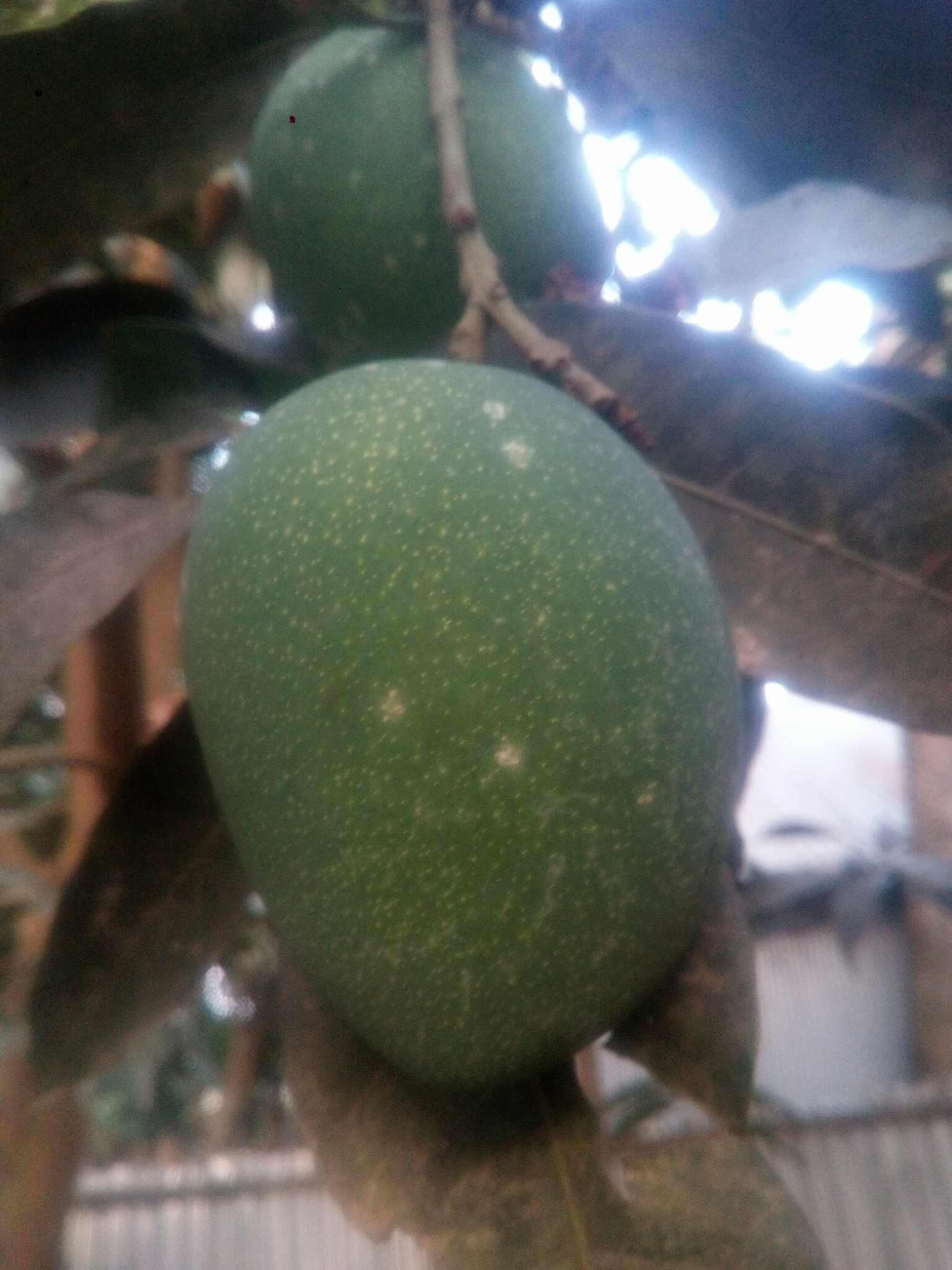
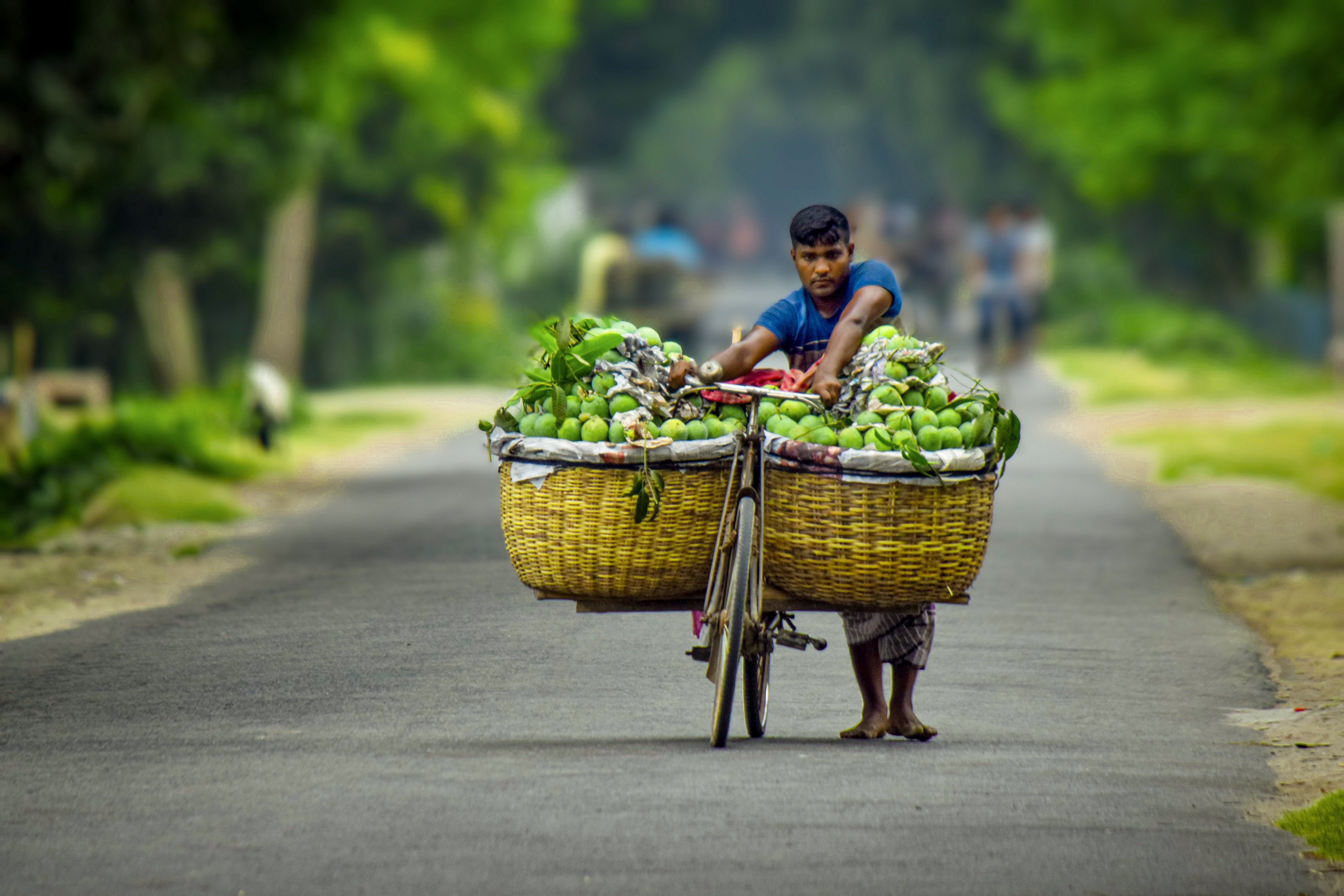
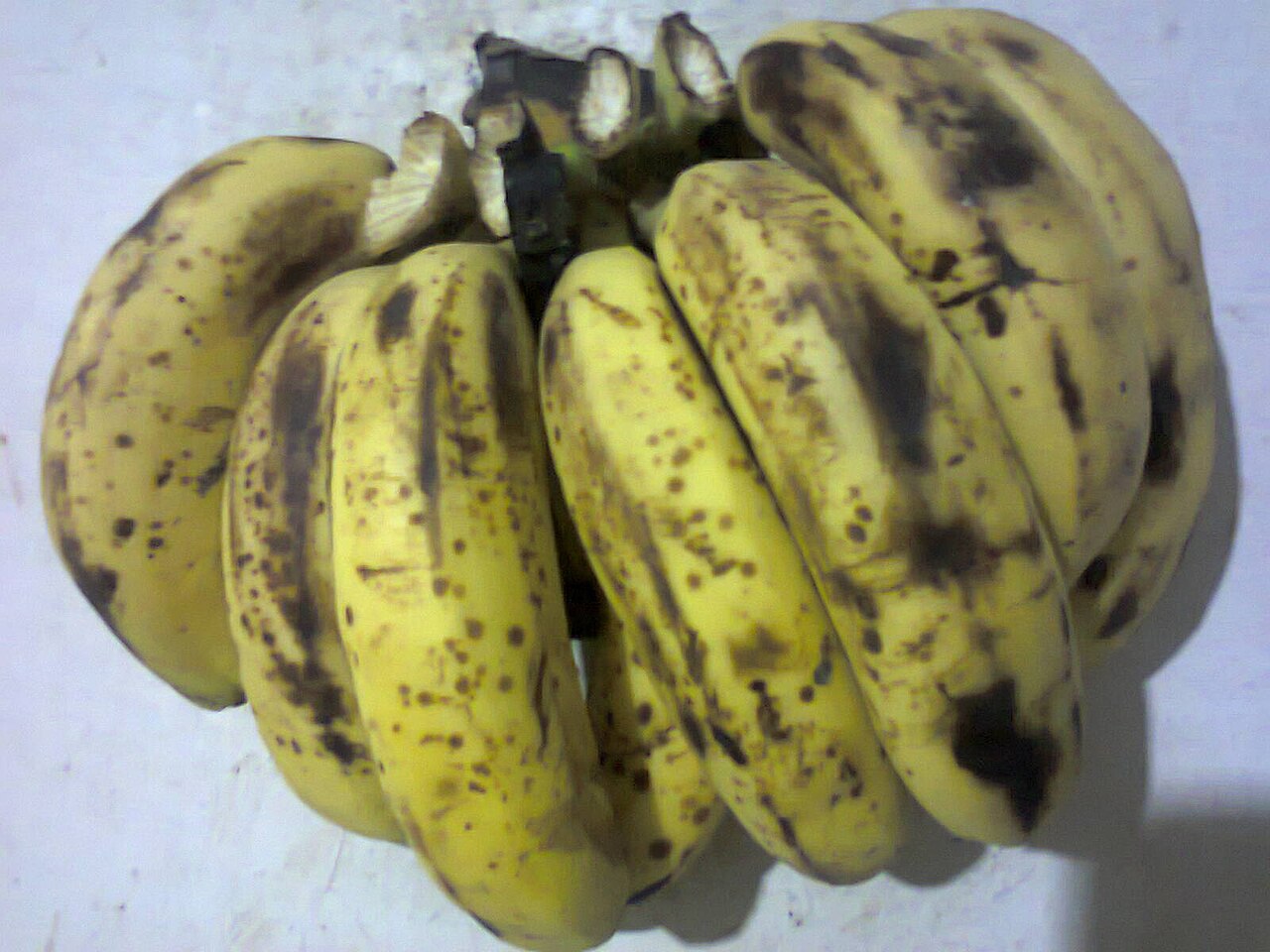
A joint force in Satkhira seized 3,360 kg of mangoes from a Dhaka-bound pickup on the afternoon of Thursday, 23 April 2026, and had them destroyed on the orders of a mobile court. The officials involved said the fruit was immature and was being ripened with a chemical before being sent to the capital. The seizure took place in the Shuilpur area of Bhara Simla union in Kaliganj upazila, Jagonews24 reported at 8:37 the next morning. The mangoes were packed in 168 crates.
The seizure at Shuilpur
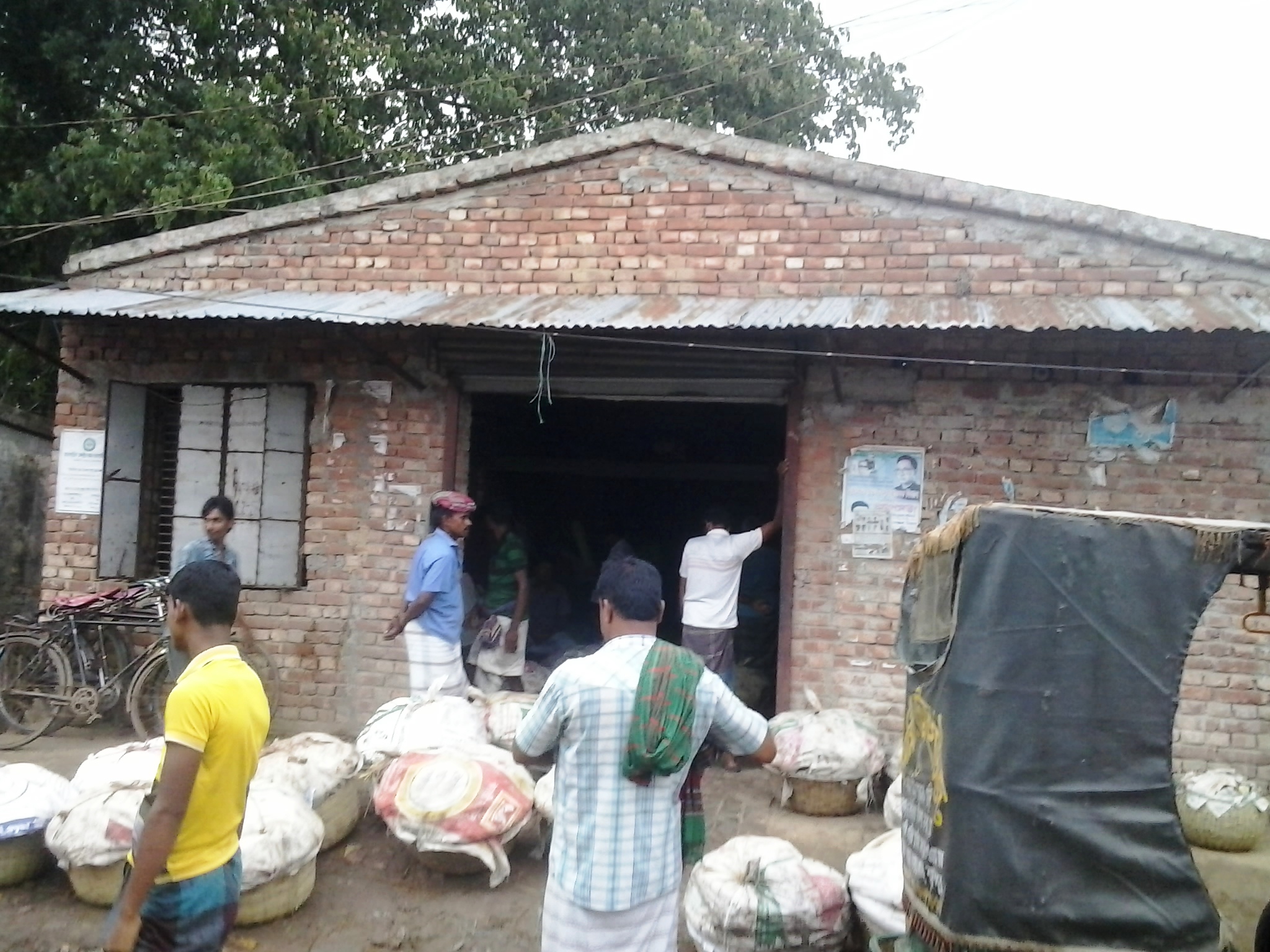
According to the Kaliganj upazila administration, the drive was carried out on a tip-off that immature mangoes were being ripened with a hormone called ethylene and sent to Dhaka. The team searched a Dhaka-bound pickup and seized the 168 crates of mangoes it was carrying. On the orders of the mobile court, the seized fruit was then crushed with a roller on the embankment road beside the Shuilpur camp of Border Guard Bangladesh (BGB).
Mainul Islam Khan, assistant commissioner (land) of Kaliganj upazila, said the pickup's driver had been fined Tk 1,000 for carrying mangoes mixed with harmful chemicals. He was released after giving a written undertaking that he would not take part in such activity again.
The report left several questions open. The officials did not say clearly what chemical the seized mangoes contained, at what level, or whether the fruit had been tested in a laboratory, and Jagonews24 noted that this had raised questions among local people. The report did not name the owner of the mangoes or the trader who was sending them, carried no response from either, and did not say under which law the driver had been fined.
The claim about the fruit therefore rested on the officials' account. The tip-off, as the administration described it, concerned ethylene, the gas that FAO describes as the trigger for mango ripening; the assistant commissioner's explanation of the fine spoke more broadly of harmful chemicals.
Kaliganj and Bhara Simla on the western border
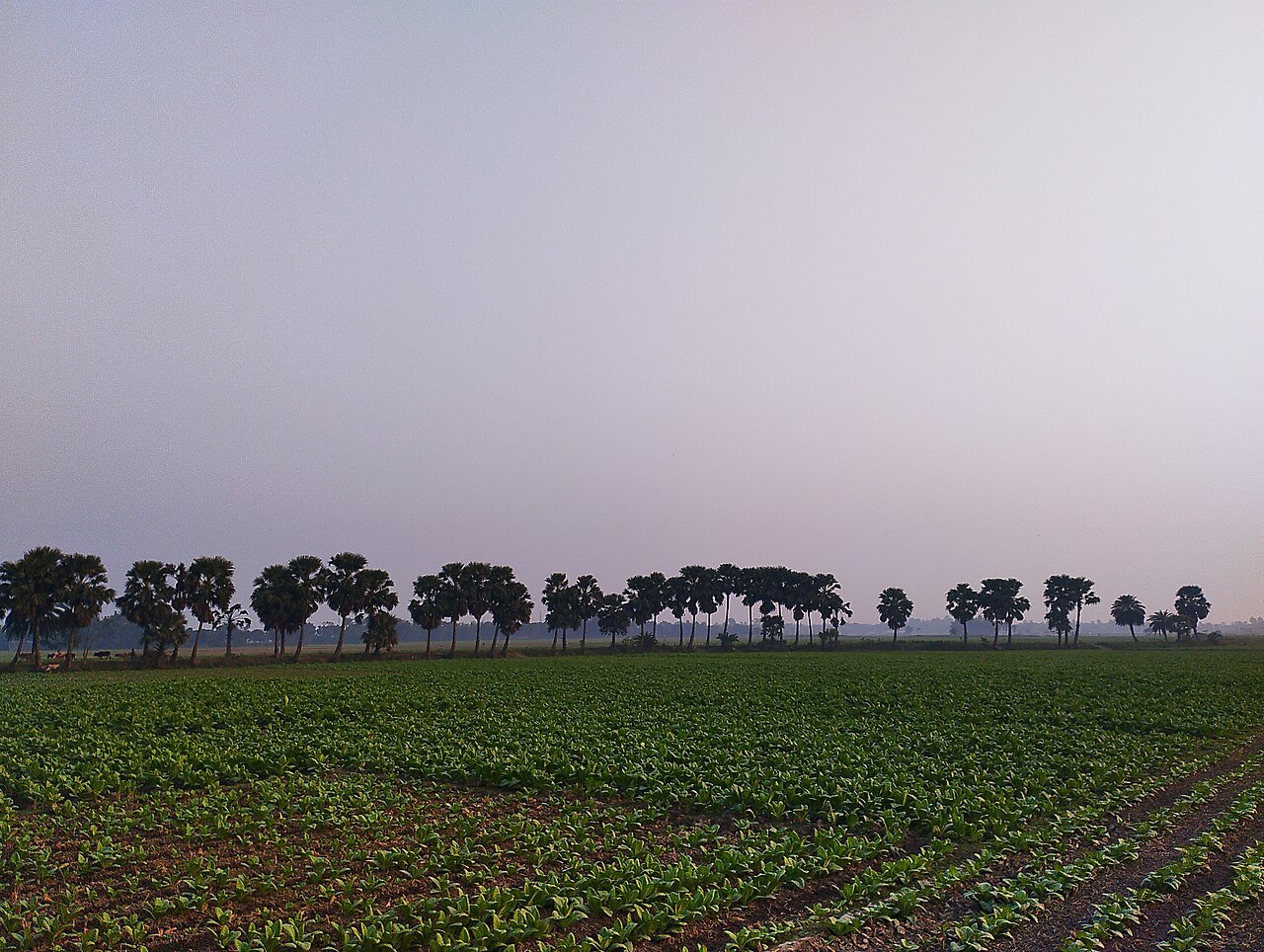
Satkhira district, in Khulna division, covers 3,817.29 square kilometres at the south-western tip of Bangladesh, according to Banglapedia, the national encyclopedia. It is bounded by Jessore district on the north, the Bay of Bengal on the south, Khulna district on the east and the Indian state of West Bengal on the west. Its main rivers include the Jamuna, Kalindi, Kobadak, Betna, Ichamati and Raimangal.
Satkhira was made a sub-division of Jessore district in 1861, was moved to Khulna district in 1882 and became a district in its own right in 1984. Of its seven upazilas, Shyamnagar is the largest. The 2011 census counted 1,985,959 people in the district, and Banglapedia gives agriculture as the main source of income for 62.56 per cent of them.
Kaliganj upazila covers 333.78 square kilometres. It is bounded by Debhata and Assasuni upazilas on the north, Shyamnagar on the south, Assasuni on the east and West Bengal on the west. Kaliganj thana was formed in 1942 and became an upazila in 1983. Its rivers include the Jamuna, Kakshiali, Galghasia, Kalindi and Gutiakhali, and the Bilgali, Banshtala and Bagarkhali canals cross it.
The upazila has 12 unions. Bhara Simla, where the pickup was stopped, covers 5,777 acres according to the census figures Banglapedia carries. Banglapedia lists mango first among Kaliganj's main fruits, followed by jackfruit, litchi, watermelon, futi, banana and papaya; it names paddy, potato, brinjal, betel leaf and sweet potato among the main crops, and betel leaf and shrimp as the main exports. Agriculture was the main source of income for 56.81 per cent of the upazila's people and commerce for 19.88 per cent.
Satkhira's early mangoes in numbers
Satkhira is known for mangoes that reach the market before those of other districts. In late February 2026, two months before the seizure, the Department of Agricultural Extension (DAE) in Satkhira told Dhaka Times that the district had 4,137 hectares under mango in the 2025-26 season. By variety, the largest areas were Himsagar with 899 hectares, Amrapali with 564, Gobindabhog with 382 and Gopalbhog with 219, followed by Lata with 143, Mallika with 80 and Bombai with 50 hectares; other local varieties covered 243 hectares.
By upazila, Satkhira Sadar had 1,250 hectares under mango and Kaliganj 839; Tala had 715 hectares, Kalaroa 658, Debhata 370, Shyamnagar 160 and Assasuni 145. According to the same DAE figures, the district had produced 70,880 tonnes of mango in the previous season and had set a production target of 70,900 tonnes for 2026. There were 5,299 orchards and 50,745 mango growers, of whom 351 were registered.
Saiful Islam, the DAE's deputy director in Satkhira, said then that the district's soil and weather were very well suited to mango, and that growers were being given guidance on producing safe, good-quality fruit. He gave the district's mango exports as 180 tonnes in 2022-23, 60 tonnes in 2023-24 and 72 tonnes in 2024-25, and said the department was working towards at least 100 tonnes in the 2026 season.
A year earlier, on 30 April 2025, the same officer told reporters that Satkhira had about 5,000 mango orchards on 4,135 hectares and a production target of 62,800 tonnes for that season. He said every variety has its own time to mature, that picking early reduces the taste and quality of the fruit and so damages the chance of export, and that Satkhira's mangoes had been exported regularly to Europe since 2015. The deputy commissioner at the time, Mostak Ahmed, said that because of the weather and soil the district's mangoes mature earlier than those of other areas, and that they fetch higher prices because they reach the market first.
The harvest calendar and how it was enforced
To keep immature mangoes off the market, Satkhira's district administration and the DAE publish a harvest calendar each season, setting the first day on which each variety may be picked and sold. In 2024 the calendar was announced at a meeting on safe mango marketing in the deputy commissioner's conference room. Desh Rupantor reported on 7 May 2024 that Bombai and Golapkhas could be picked from 9 May, Gobindabhog from 11 May, Himsagar from 22 May, Langra from 29 May and Amrapali from 10 June. Buyers were advised to follow the schedule when buying Satkhira mangoes.
The 2025 calendar was announced on Wednesday, 30 April 2025, at a meeting titled 'Safe mango marketing'. Under it, local varieties including Gobindabhog, Gopalbhog, Bombai, Golapkhas and the local Baishakhi mango could be picked and sold from 5 May, Himsagar from 20 May, Langra from 27 May and Amrapali from 5 June. The deputy commissioner said there would be no leniency for picking, storing or marketing immature mangoes before those dates, and that there would be close surveillance with the help of law enforcement agencies and the agriculture department. The meeting was told that mobile courts, checkposts and special monitoring teams would work in the field during the season, alongside a publicity campaign for growers and traders.
The 2025 calendar did not hold. The state news agency BSS reported on 15 May 2025 that, in intense heat, Himsagar mangoes had begun to ripen early and fall from the trees, and that growers fearing losses had started picking in defiance of the schedule. After an emergency meeting chaired by the deputy commissioner on the evening of 14 May, the administration allowed Himsagar to be picked from 15 May instead of 20 May. On the first day Himsagar sold for Tk 1,800 to 2,200 a maund at Sultanpur Barobazar in Satkhira town; growers said the same fruit would have fetched Tk 3,200 to 3,500 if they had been allowed to pick a few days earlier, and complained that the schedule had not matched conditions in the orchards.
The Kaliganj seizure took place on 23 April, before the earliest opening date in either of the two previous calendars: 9 May in 2024 and 5 May in 2025.
How mangoes ripen, and how ripening is hastened
Mangoes are generally harvested at the physiologically mature stage and ripened afterwards for the best quality, according to a post-harvest compendium on the mango published by the Food and Agriculture Organization of the United Nations (FAO). The compendium says the fruit normally matures four to five months after flowering. A crop is considered mature when the shoulders of the fruit broaden and some fruits on the tree begin to turn from green to yellow; before that colour change, a fruit is taken to be mature when the flesh near the seed changes from white to yellow. A fruit that needs a strong pull to come off the stalk is still somewhat immature and should not be harvested.
The same compendium notes that harvesting fruit early in the season, at a premature stage, to capture the early market is a general practice, and that such fruit does not ripen uniformly without a ripening aid. Mangoes are triggered to ripen by ethylene in the air around the fruit, and temperature then sets the pace. Where fruit has to be ripened in a packing house, FAO describes controlled ripening with ethylene at 18 to 22 degrees Celsius and 85 to 90 per cent relative humidity, and says ethylene treatment brings green mangoes to full colour in seven to ten days, depending on how mature they are, against ten to fifteen days for untreated fruit.
A review of food adulteration by researchers of the Department of Chemical Engineering at Bangladesh University of Engineering and Technology (BUET), published in the peer-reviewed journal Foods in January 2023, describes the practice the officials alleged. To avoid losses from spoilage, or to sell fruit before its season for extra profit, sellers pluck fruit well before proper maturity and ripen it with chemicals just before retail. The review lists ethylene, ethanol, methanol, propylene, methyl jasmonate, ethylene glycol, ethephon and calcium carbide among the agents used.
The review explains that ethephon decomposes above pH 5 into ethylene gas, a biphosphate ion and a chloride ion, and that it improves the peel colour of mangoes; fruit treated with ethephon keeps longer than fruit treated with calcium carbide. Calcium carbide, it says, is widely used because it is cheaper than other chemicals and ripens fruit fast. In contact with moisture it gives off acetylene, which starts ripening, and industrial-grade carbide sometimes carries impurities such as calcium phosphide, arsenic sulphide and phosphine.
Arsenic is the reason those impurities matter. The World Health Organization (WHO) says inorganic arsenic is highly toxic, and that long-term exposure to arsenic from drinking water and food can cause cancer and skin lesions and has been associated with cardiovascular disease and diabetes.

A long dispute over destroying fruit
Destroying seized mangoes has been disputed in Bangladesh for years. At a workshop organised by the Bangladesh Food Safety Authority (BFSA) in Dhaka on 22 May 2018, speakers criticised drives in which law enforcers had destroyed mangoes carrying traces of ethephon and carbide, The Daily Star reported. They said ethephon was used to ripen fruit in many countries and was not banned there; fruit ripened with it before the right time might be less nutritious than usual, but was edible and harmless. Carbide, they said, could harm a person directly, and was banned under the Safe Food Act, 2013.
BFSA's chairman, Mohammad Mahfuzul Hoque, said at the workshop that sellers should be punished if drives found fruit ripened before its due time, but that destroying fruit that was not harmful would be unfortunate. Professor Iqbal Rouf Mamun, a BFSA member, said ethylene gas was used in confined chambers to ripen fruit in other countries but not in Bangladesh. Shah Monir, a senior adviser to an FAO food safety project, said BFSA, the Bangladesh Standards and Testing Institution (BSTI), the health department, district magistrates and city corporations should coordinate before drives and agree a basis for judging how much of a chemical was present and how much could be allowed. Humayun Kabir Bhuiyan, general secretary of the Consumers Association of Bangladesh, alleged that drive teams used outdated methods, such as watching whether flies settled on fruit. A deputy commissioner of the Dhaka Metropolitan Police, Md Shaheed, said fruit was being destroyed because there was no accepted procedure for establishing the correct amount of a chemical, or which chemicals were acceptable.
The dispute had reached Satkhira before. In a report from an earlier mango season, bdnews24.com described a mobile court in Satkhira Sadar upazila, led by the assistant commissioner (land) Atish Sarkar, that seized 31 crates of mangoes, destroyed 720 kg of them on the municipal PTI ground and fined a trader Tk 30,000. Asked why, the officer said the mangoes were being ripened with chemicals and sent to Dhaka, and that they were harmful to the body.
In the same report, Md Sharaf Uddin, a senior scientific officer in the fruit division of the Horticulture Research Centre of the Bangladesh Agricultural Research Institute (BARI), said mangoes were ripened artificially with a ripening hormone that was not approved in Bangladesh. Immature mangoes ripened with it would not have their full nutritional value or the expected taste, he said, but it posed no health risk and such fruit was eaten abroad. The upazila agriculture officer, Monir Hossain, first said such chemical use could not be good for the body, and later that he did not know whether immature mangoes ripened with chemicals were risky; what was forbidden, he said, was picking before the date in the deputy commissioner's calendar, and fruit picked on time needed no chemical.
The same report recalled that on 7 July 2022 the food ministry's secretary, Md Ismail Hossain, told a seminar in Dhaka that truckloads of fish, vegetables and fruit had once been destroyed in the belief that they contained formalin, and that he now heard the devices used for the tests had themselves been faulty.
What the law says
The Safe Food Act, 2013 (Act No. 43 of 2013, dated 10 October 2013) forbids anyone, directly or through another person, to use or include in any food a chemical or substance that may cause injury or toxicity to human health, naming calcium carbide, formalin and sodium cyclamate as examples, along with insecticides and pesticides, harmful colours or flavourings and other toxic additives or processing aids. It also forbids storing, marketing or selling food that contains such matter (section 23). Ethylene and ethephon are not among the examples the section names.
Under the Act's schedule, a first offence under section 23 is punishable with imprisonment of not more than five years and not less than four years, or a fine of not more than Tk 10 lakh and not less than Tk 5 lakh, or both; a repeated offence carries five years' imprisonment or a fine of Tk 20 lakh, or both. The Act provides that its offences are tried, as far as applicable, under the Mobile Court Act, 2009 (section 75). It also lets an inspector seize food that he has reason to believe is harmful or adulterated, and requires samples of what is seized to be separated and handed over for analysis in the prescribed way (section 55). The same Act set up the Bangladesh Food Safety Authority as a statutory body (section 5).
The Mobile Court Act, 2009 (Act No. 59 of 2009) sets out how such a court works:
- An executive magistrate empowered under the Act may take cognisance on the spot of a scheduled offence committed or revealed before him and, on the accused person's confession, convict and impose a penalty (section 6).
- The magistrate frames a short written charge, reads and explains it to the accused, and asks whether he admits it; a confession is recorded and signed by the accused and two witnesses (section 7).
- If the accused denies the charge and his explanation is satisfactory, he is released; if not, the case is sent to a competent court (section 7).
- A mobile court may not impose more than two years' imprisonment, whatever the penalty in the relevant law, but may impose any fine within that law's limits (section 8).
- A fine imposed on the spot is payable at once; if it is not paid, the imprisonment in default takes effect, and simple imprisonment for failure to pay may not exceed three months (section 9).
Photo: WhiteHade / Wikimedia Commons (CC BY-SA 4.0)
Sources: Jagonews24, Dhaka Times, The Daily Ittefaq, Desh Rupantor, BSS, bdnews24.com, The Daily Star, Banglapedia, FAO (Mango: Post-harvest Operations), Foods (2023), World Health Organization, Laws of Bangladesh (Legislative and Parliamentary Affairs Division)
Comments
(0)