
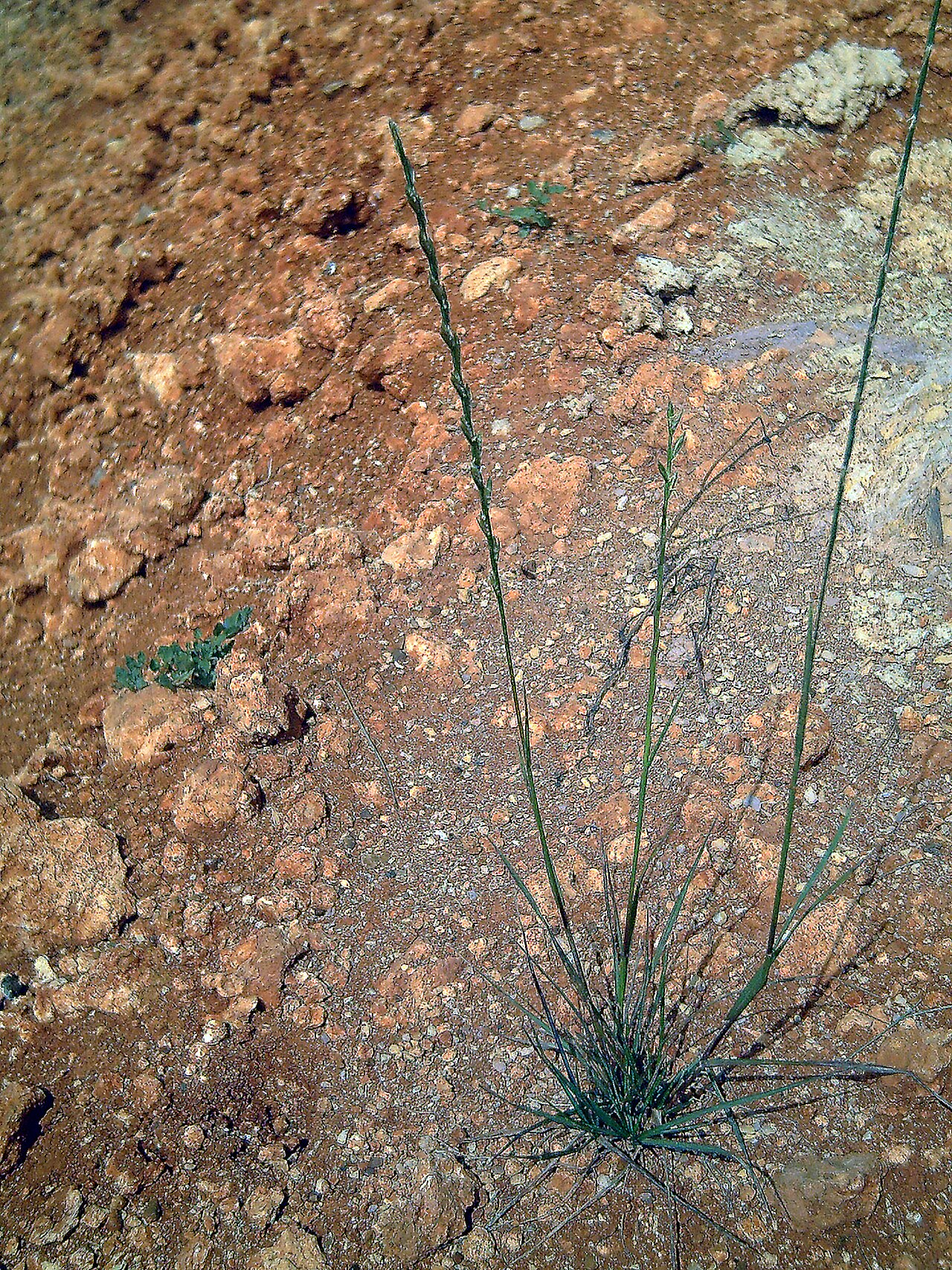
Herbicide resistance in weeds such as ryegrass is pushing South African grain farmers who have moved to conservation agriculture to combine several weed-control tools instead of relying on chemistry alone, Louise Bestbier, an agricultural scientist in Stellenbosch University's Department of Agronomy, told Glenneis Kriel of Farmers Weekly. Ploughing once buried weed seed; with less soil disturbance, herbicides have taken over that job, and repeated use raises the selection pressure for resistance.
At Langgewens Research Farm near Moorreesburg in the Swartland, MSc student Kaylen van Wyk tested two harvest weed seed control methods over two seasons. In chaff lining, a chute on the back of the harvester drops weed-laden chaff into a strip about 500mm to 600mm wide; in narrow windrow burning, that strip is burnt. Temperatures above 400°C were recorded in the windrows, enough to destroy ryegrass seed, and the windrows covered less than 10% of the cropped area. Both treatments showed visible differences in weed numbers, although these are not yet statistically significant; the aim is to shrink the seedbank over several years. Burning needs a permit.
The university is also simulating the Australian Harrington Seed Destructor, an impact mill that pulverises weed seed in the chaff, by milling collected chaff and returning it to trial plots. Bestbier also points to grazing young weeds before they set seed, as in her own work with sheep in medic-wheat rotations, to baling chaff at harvest, to denser plantings of vigorous cultivars and to cover-crop mixtures.
On the machinery side, Nico Myburgh, CNH head of precision technologies for the Middle East and Africa, said section control cuts overlap and chemical waste by about 5% to 10%, and individual-nozzle systems such as Raven's Hawkeye 2 control up to 192 nozzles within about 5% of the target rate. Augmenta, the basis of CNH SenseApply, uses a cab-mounted multispectral camera and artificial intelligence to adjust the application as the sprayer moves. "The sprayer effectively becomes its own scouting platform," he said. Today's systems are best at spotting green weeds on bare soil or residue; telling weeds from a growing crop is still harder. Weeds are still sprayed at the full recommended rate, he said, and even a 10% to 20% cut in chemical use can pay where programmes cost several hundred rand a hectare. AI-driven selective spraying is at an early stage of adoption in South Africa, largely because of its cost.
A cheaper route may come from space. Tiaan Venter, co-founder of FarmLink Capital, the local partner of WeedSAT owner Datafarming, said the Australian-developed system uses 30cm satellite imagery to find weeds of 30cm or larger and turns it into a prescription map that an ordinary section-control sprayer can follow, with no extra cameras or sensors. It cannot yet tell ryegrass from wheat in an established crop, so it suits patchy weeds after harvest or around planting. Australian users report spraying-cost savings of up to 80%; South African tests have shown about 50% to 60%. Commercial launch is targeted before the April/May 2027 winter planting season, and in Australia it costs about A$4 to A$7 a hectare (around R46 to R81).
None of this makes herbicides less important, Bestbier said, but every weed removed by grazing, crop competition or seed destruction is one less that chemistry has to kill. "If something is no longer working because of resistance, doing more of the same thing is not going to solve the problem."
Photo: Javier martin / Wikimedia Commons (Public domain)
Source: Farmers Weekly South Africa

Comments
(0)