
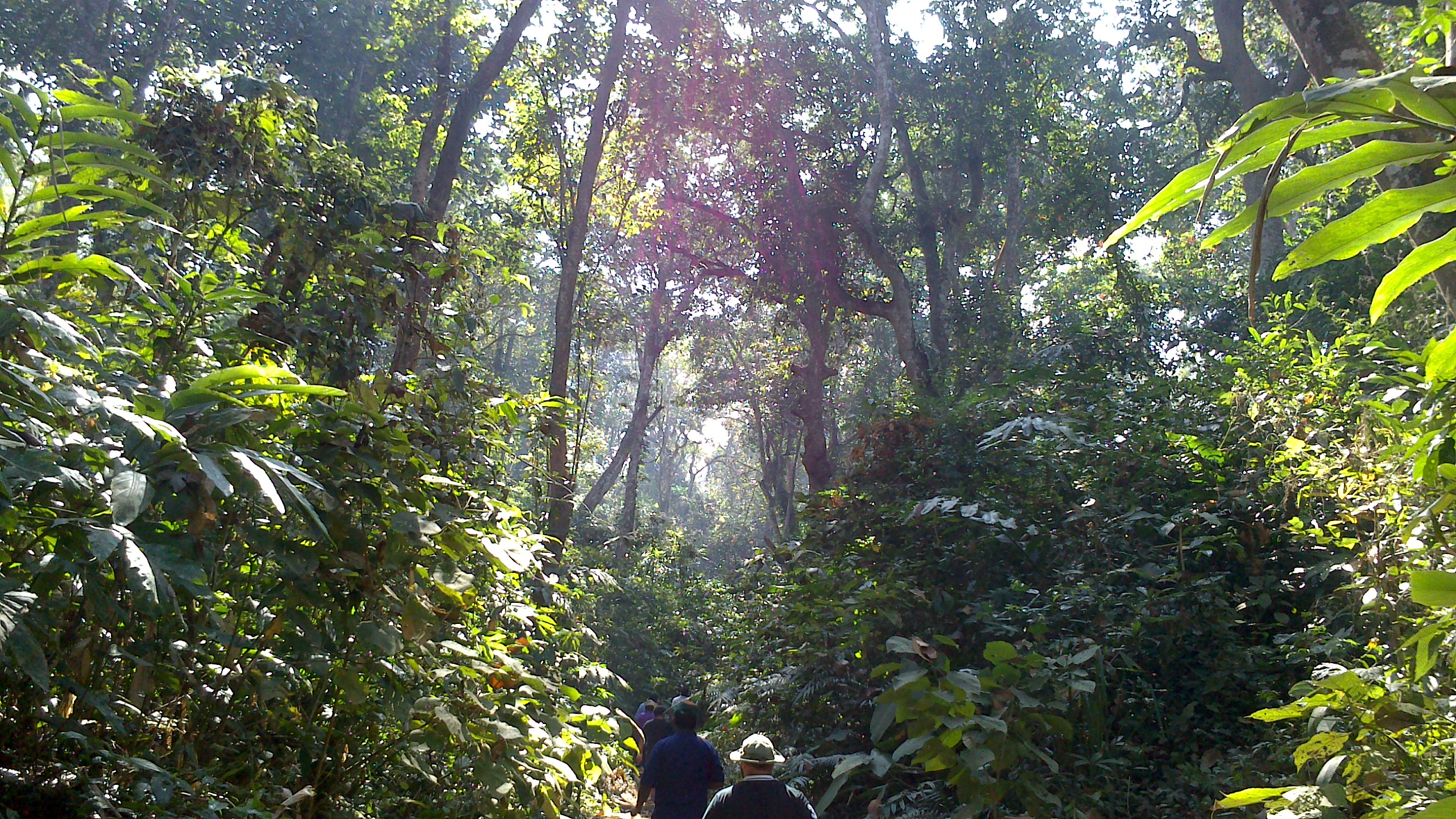
A cobra and a rat snake were released into Satchari National Park in Habiganj on the morning of Monday, 13 July 2026. Robi Costa, a district member of the Bangladesh Biodiversity Conservation Federation, freed the two rescued snakes into their natural habitat in the presence of the Forest Department, Jagonews24 reported that day.
Rescued from a tea estate home
According to Robi Costa, the two snakes had taken shelter on the previous day, Sunday 12 July, in the house of a resident of Amtali tea estate in Chunarughat upazila. On hearing of it he went there quickly and rescued both snakes unharmed. They were released into Satchari National Park the next day with the Forest Department's help.
Present at the release were Md Mahmud Hasan, range officer of the Habiganj Wildlife Range, Md Mobarak Hasan, range officer of the Satchari Wildlife Range, and other Forest Department officials.
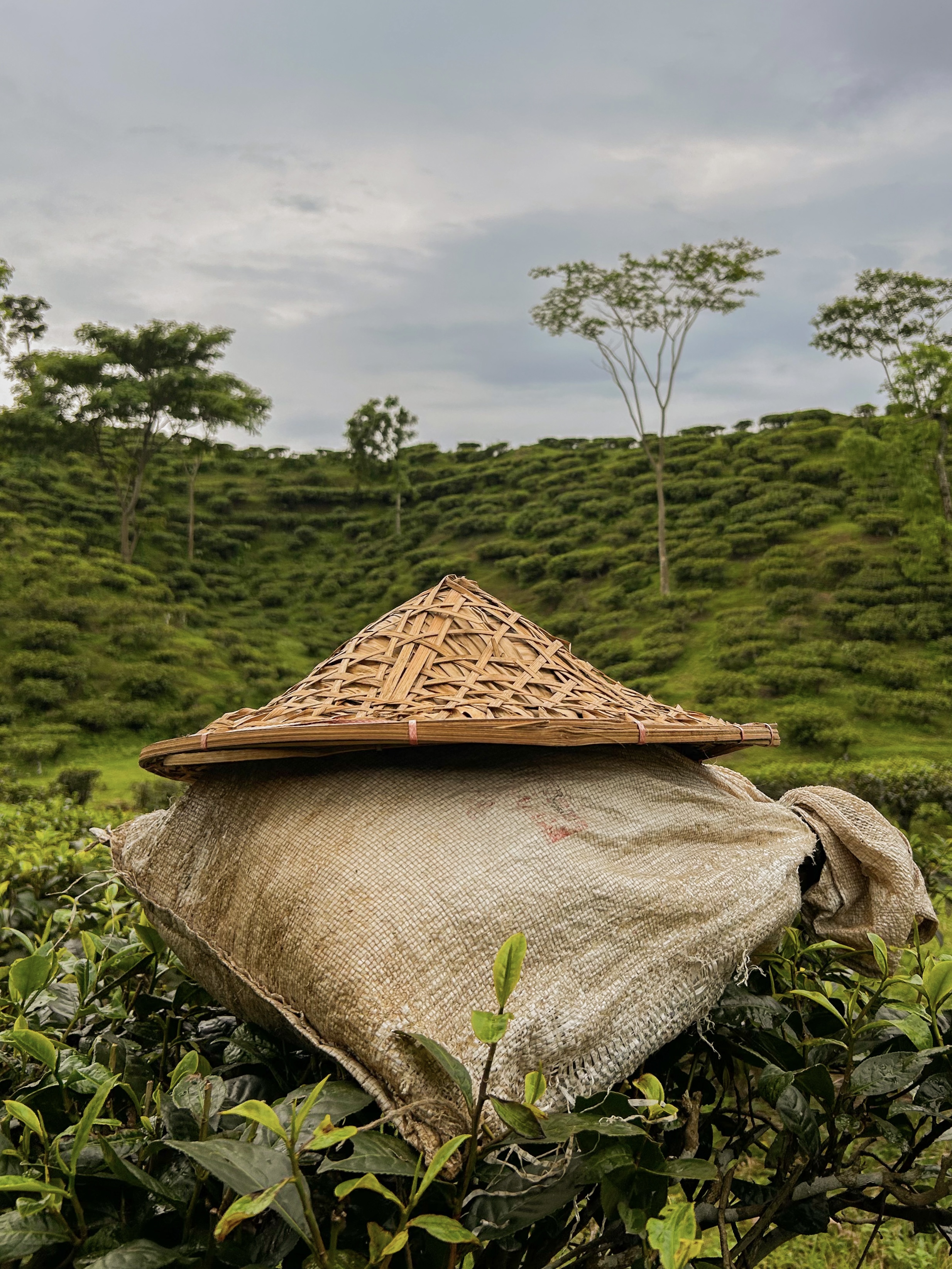
One venomous, one harmless
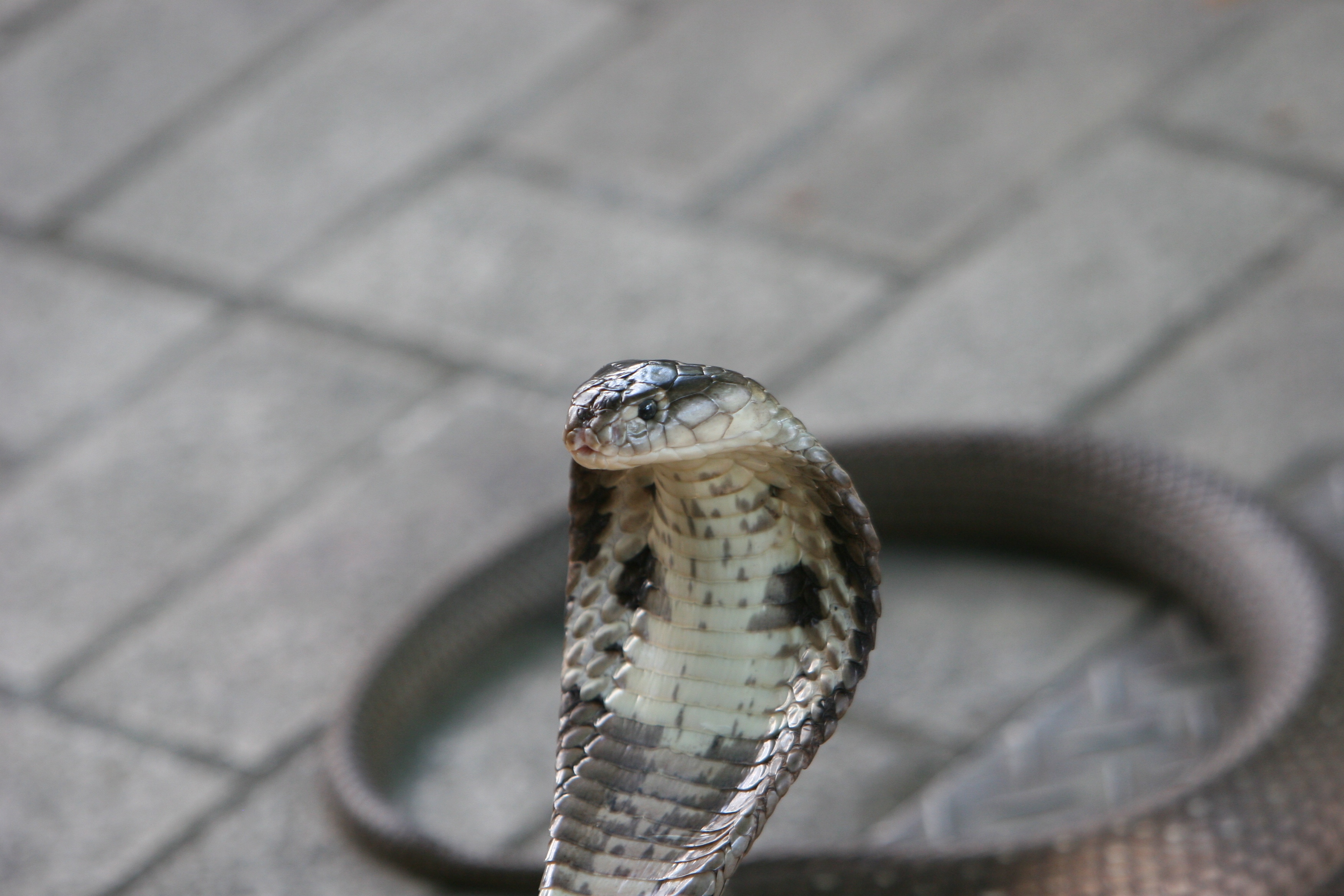
Of the two snakes, only the cobra is venomous. Citing the health directorate's snakebite treatment guideline, The Business Standard reported in June 2023 that about 100 snake species live in Bangladesh, 37 of them venomous, including three types of cobra. One of them, the monocled cobra (Naja kaouthia), lives in forests, farmland and near human settlements, and in rice country hides in rodent burrows in the dykes between fields. Its venom blocks nerve transmission and can kill through respiratory failure.
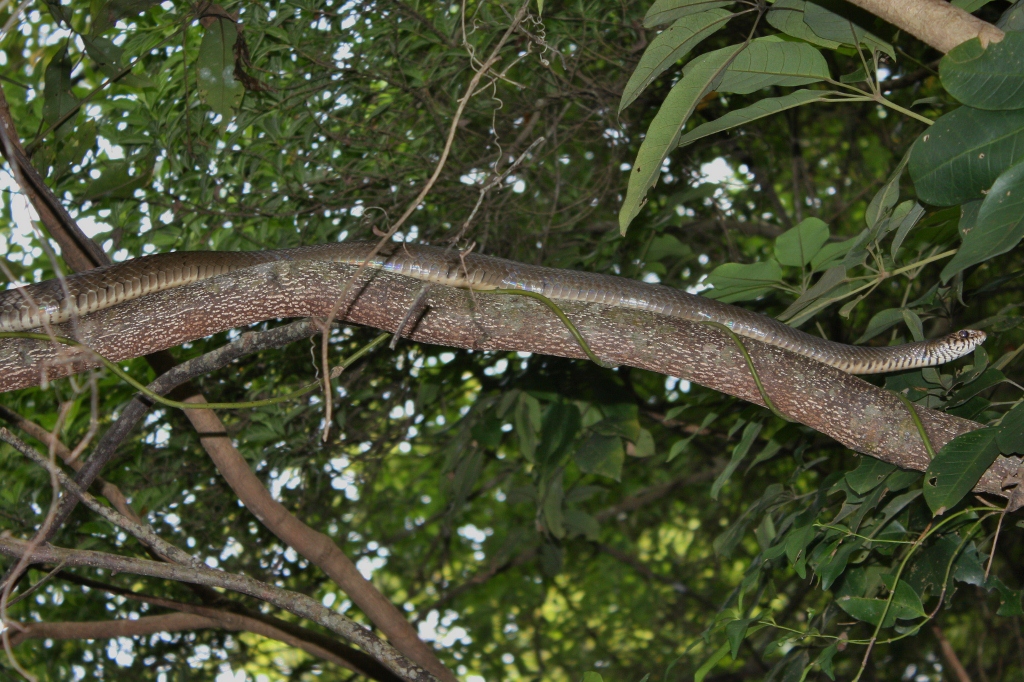
The Indian rat snake (Ptyas mucosa), known in Bengali as darash, is non-venomous. Active by day and fast-moving, it usually grows to 1.5 to 1.95 metres and lives on forest floors, in wetlands, rice paddies, farmland and suburban areas, where it eats small animals including rodents. It is found across South and Southeast Asia, Bangladesh included.
"The rat snake is a friend of the farmer. It eats large numbers of rats and plays an important role in protecting crops. So no snake should be killed without reason," said range officer Md Mahmud Hasan.
Satchari National Park
Satchari National Park lies in Chunarughat upazila of Habiganj, about 130 kilometres from Dhaka, and was declared a national park in 2005. Its name means "seven streams", after the streams that flow through the forest, and nine tea gardens lie around it. The forest is home to the critically endangered western hoolock gibbon along with other primates, mammals and many bird species.
Snakes in homes during the rains
"Floods and continuous rain have damaged the snakes' natural habitat, so they are moving into human settlements. This causes panic among people, but snakes are extremely important for the environment and need to be conserved," Robi Costa said.
The Forest Department urged the public not to panic or kill a snake when they see one, but to contact the Forest Department or trained rescuers promptly. Trying to catch a snake yourself is dangerous; it is a job for trained rescuers.
Snakebite is a serious public-health problem in Bangladesh. A national survey by the health directorate's disease control unit found that about 403,000 people are bitten every year and 7,511 die. Reporting on the survey noted that many patients develop complications because they seek treatment late, so anyone bitten should go to a hospital without delay and follow a doctor's advice.
Photo: Hasan Iqbal / Wikimedia Commons (CC BY 2.0)
Sources: Jagonews24, The Business Standard, Wikipedia



Comments
(0)