
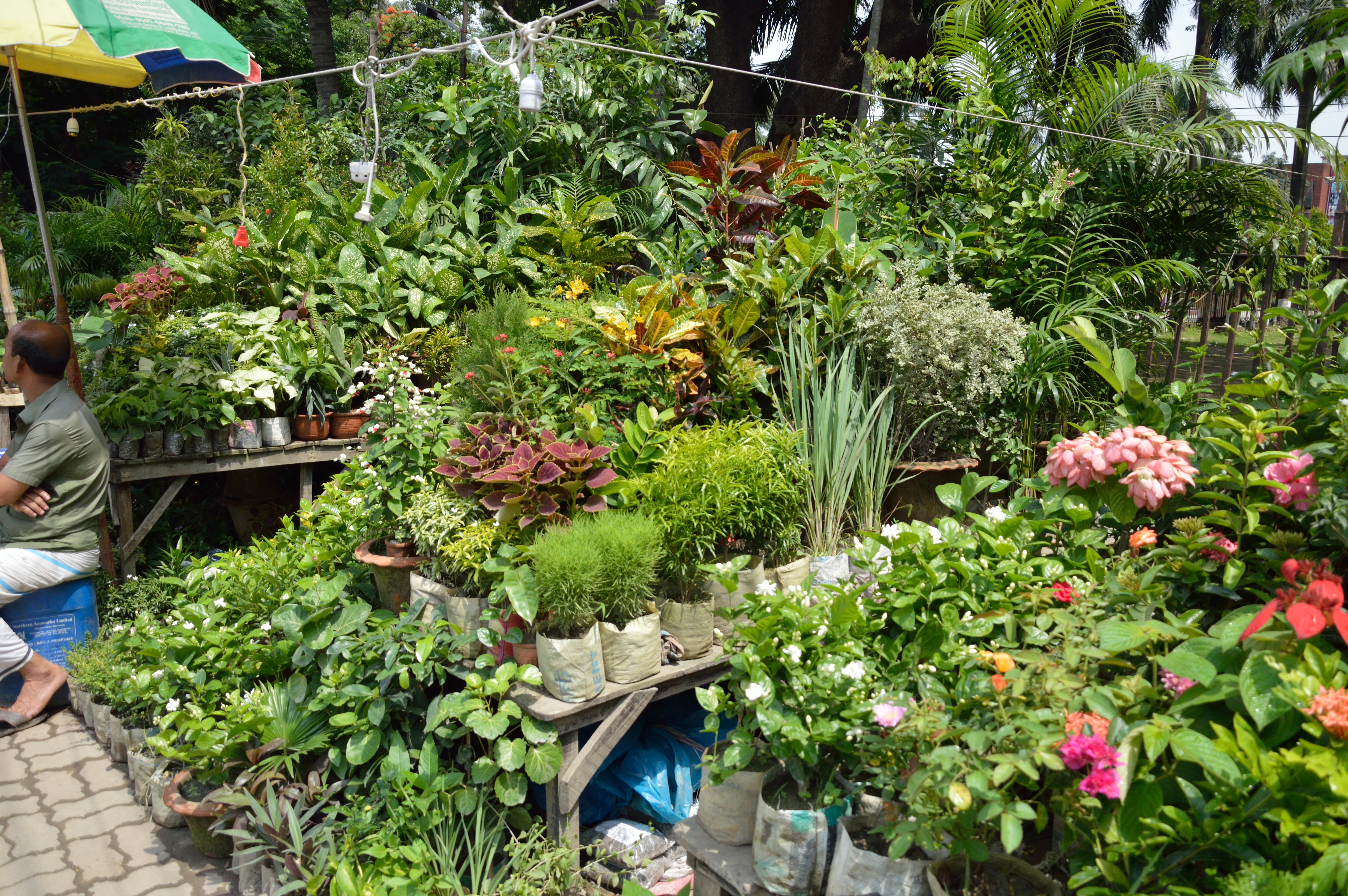
In June 2025, as Bangladesh entered its monsoon tree-planting season, Jagonews24 published a twelve-point guide for people who had just planted saplings, fruit trees above all. Its message was that planting is only the first step. A sapling left to itself can be smothered by weeds, eaten by cattle and goats, bent over by wind or dried out in a rainless spell, until it looks less like a sapling than a weed, and it will not give the fruit its owner hopes for. The guide set out what to do in the weeks after planting and in the years that follow, from tying the young plant to a stake to pruning the tree after every harvest.
This report keeps those twelve steps and checks them against Bangladesh's agricultural authorities and tree-care specialists. It adds what a grower needed to know that June: when and why the country plants its trees in the rainy months, what the national fertiliser guide published in 2024 recommends for young fruit trees, which saplings the government had banned a few weeks earlier, and where farmers can turn for advice on pests and diseases.
The twelve steps in the June 2025 guide
The Jagonews24 guide listed the following steps. The fertiliser step appears here without the single urea quantity the original gave, for the reasons explained in the section on fertiliser below.
- Tie the sapling upright to a strong stake as soon as it is planted.
- Protect it from cattle and goats with a bamboo cage.
- Clear the unwanted weeds that grow around the base of the sapling.
- Mulch the base with dry leaves, straw or water hyacinth to keep the soil moist.
- If a sapling is weak, diseased or dies, plant a new, healthy one in its place.
- Cut away unwanted branches to keep the sapling upright and its frame in shape.
- If no rain falls after planting, water the sapling with a watering can.
- About a month after planting, apply fertiliser in a shallow trench dug about one foot from the base, to help the sapling grow quickly.
- Before and after the monsoon, give fruit trees organic and chemical fertiliser once each time, in amounts that depend on the tree's age and variety.
- Every year after the fruit is picked, prune old, diseased and dead branches.
- Let more sun, light and air into the tree, so that the new branches bear more flowers and fruit the following year.
- For diseases and insect pests, take advice from the agriculture department, a horticulture centre or the Forest Department.
The steps fall into four groups: holding the sapling up and keeping animals off it, keeping its roots moist and free of competition, feeding it, and shaping and protecting the tree once it starts to bear. Each is taken in turn below.
Why Bangladesh plants its trees in the monsoon
Bangladesh plants most of its trees in the rainy months. Experts cited in a May 2024 report in Desh Rupantor, which drew on BBC Bangla, said that June, July and August are generally the best time to plant saplings in the country, and that late afternoon is the best time of day to put them in the ground. The same report quoted the government's Agricultural Information Service (Krishi Tathya Service) as saying that saplings and cuttings can be planted at any time of the year if the right method is followed.
The report also explained why aftercare decides whether a tree lives. Trees lose water through their leaves, a process called transpiration, and replace it through their roots; in hot weather the loss is greater. Plant specialists quoted in the report said that, without proper care, even drought-tolerant trees die. They noted that in 2024 most areas had received little or no rain in the month of Baishakh, which put newly planted saplings at greater risk.
The custom of a planting season is decades old. According to Banglapedia, the national encyclopaedia, forest extension divisions were set up in Rajshahi and Dhaka in 1962-63 and a tree-planting day on 1 June was introduced. Over the years the observance grew from a day to a week, then a month, then three months. Banglapedia records that those early campaigns stayed largely limited to nurseries and ceremonial planting and had little lasting effect, a reminder that what counts is how many saplings survive, not how many are planted.
Later social forestry projects tried to change that by involving local people. Banglapedia describes the Asian Development Bank's Community Forestry Project of 1982 to 1987, which covered Dinajpur, Rangpur, Pabna, Rajshahi, Bogra, Kushtia and Jessore. It included about 4,800 km of strip plantations along roads and embankments and 4,800 hectares of fuelwood plantations, and it was the first project to bring women into community forestry. A follow-up programme on upazila afforestation and nursery development set up 345 new upazila nurseries, laid about 17,760 km of strip plantations and trained some 75,000 people.
Holding the sapling up and keeping animals away
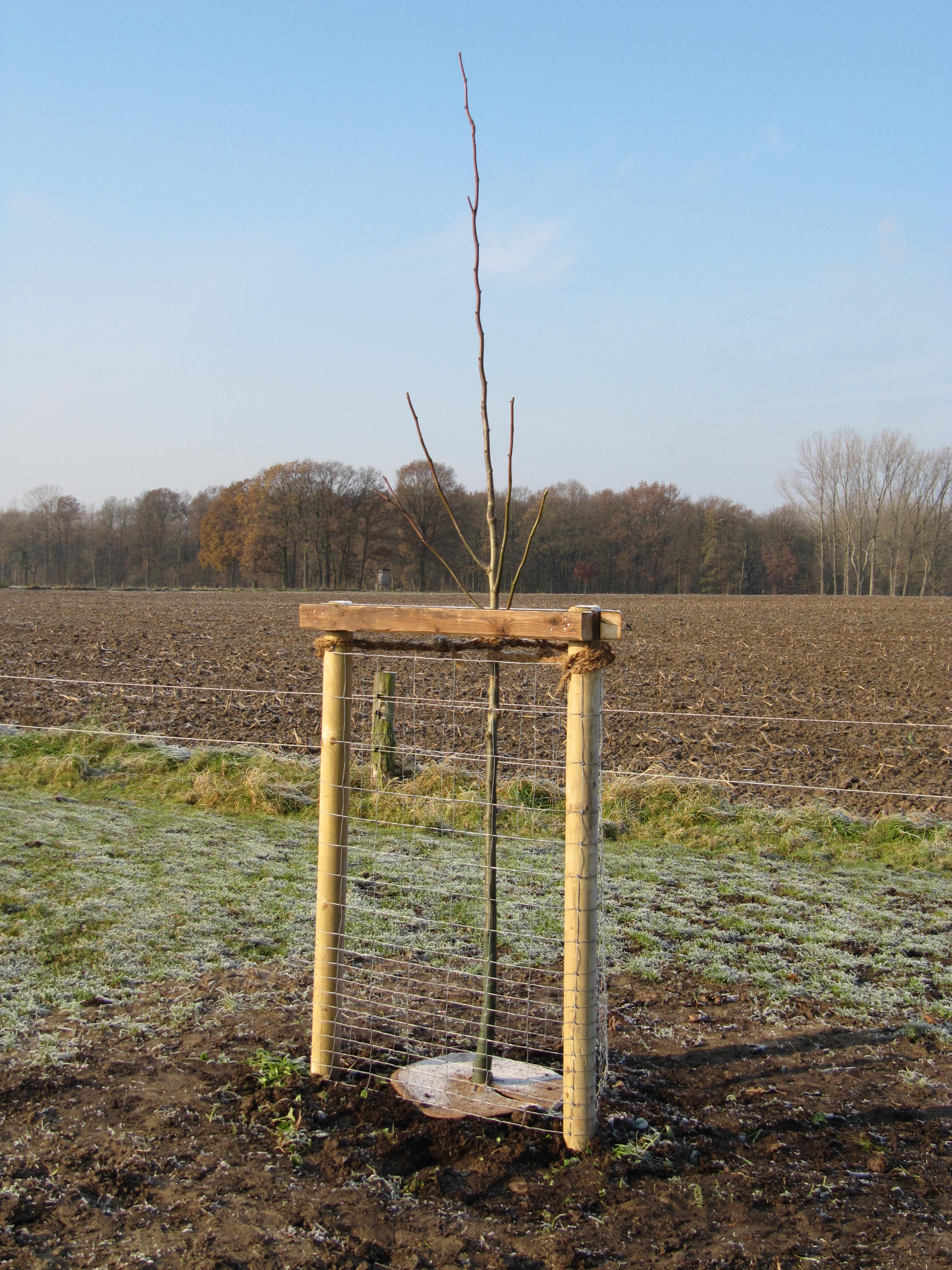
The first two steps deal with the two dangers a young tree meets first: wind and grazing animals. The Jagonews24 guide therefore advised tying the sapling to a strong stake at planting and fencing it with a bamboo cage.
Tree-care specialists add a caution about how stakes are used. The Colorado State Forest Service in the United States, in planting guidance published in 2022, says staking can damage a tree if it is done badly or left on for too long. It names three situations in which a newly planted tree needs a stake: a windy site, a site close to where people are active, and a tree that cannot support its own weight. When a stake is used, it advises putting fabric straps around the trunk to prevent damage and not pulling the ties between trunk and stake too tight, because the tree needs to move in the wind; that movement, it says, encourages the tree to grow strong roots and a strong trunk. It recommends removing all stakes and straps after one growing season.
The same principle applies to a bamboo stick and string in a Bangladeshi homestead: the tie should keep the sapling upright without cutting into the bark, and it should be checked and loosened as the stem thickens.
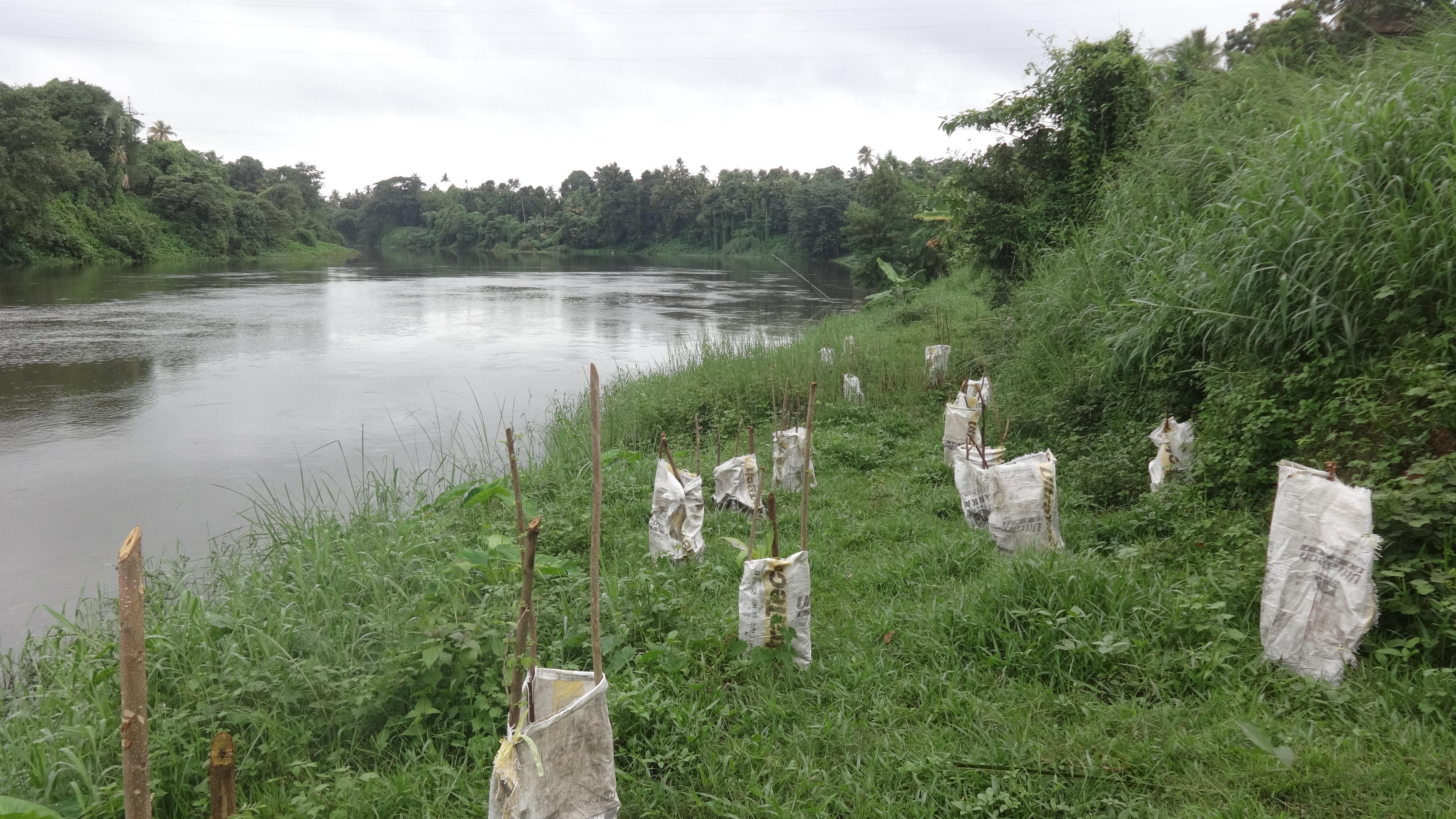
A guard against animals can take many forms. The Jagonews24 guide recommended a bamboo cage. Elsewhere growers use wooden fencing, wire netting or wrappings of sacking and twigs. Whatever the material, the guard needs to be tall and wide enough that a grazing animal cannot reach the leaves over the top or through the sides.
Weeds, mulch and water
Steps three, four and seven are about water. Weeds around the base of a sapling compete with it for moisture and nutrients, so the guide advised clearing them. It then advised covering the soil around the base with mulch: dry leaves, straw or water hyacinth.
The Morton Arboretum, a tree research institution in the United States, lists the benefits of a mulch layer under trees. It keeps soil cooler in summer, conserves moisture by shading the soil and reducing evaporation, adds organic matter as it breaks down, reduces erosion and runoff, and limits competition from weeds and grass roots. The arboretum recommends a layer of about three to four inches of medium or coarse material under trees and shrubs, and for young trees suggests extending the mulch out to the drip line, the outer edge of the canopy.
Both the arboretum and the Colorado State Forest Service warn against piling mulch against the trunk. The arboretum advises leaving a doughnut-shaped gap around the trunk, because moisture trapped against the bark invites insect pests, disease and decay. The Colorado guidance says mulch should come up to the edges of the root ball, no more than three to four inches deep, but should not cover the top of it, and that grass should be kept away from the trunk.
Water hyacinth, one of the mulch materials the Jagonews24 guide named, is the floating plant known in Bangladesh as kachuripana. Banglapedia records that it came from Latin America, that it was reportedly brought to Bengal from Brazil in the late 19th century for its orchid-like flower, and that by the 1920s it had clogged much of Bengal's waterways. It grows in stagnant water across almost all of Bangladesh and multiplies rapidly in the monsoon. Banglapedia notes that it is chiefly used as manure: decayed heaps of it are used to fertilise crops, its leaves serve as fodder when other fodder is scarce, and landless farmers have built floating fields from it.
On watering, the guide advised using a watering can whenever rain fails after planting. The Colorado State Forest Service advises watering gently after the soil is filled in so that it settles, then concentrating water on the root ball during the first season, and widening the watered area after a season or two as roots grow outward from the trunk. Its rule is not to let the soil dry out.
What the national fertiliser guide recommends for young fruit trees
Steps eight and nine concern feeding the tree. The Jagonews24 guide gave one quantity of urea for every sapling a month after planting. That figure could not be matched to any recommendation by Bangladesh's agricultural authorities and is left out here. The official reference for fertiliser in Bangladesh is the Fertilizer Recommendation Guide 2024 (FRG-2024) of the Bangladesh Agricultural Research Council (BARC), published in September 2024. It is the eighth such guide since BARC's first, published in 1979, and it updated FRG-2018.
For fruit trees, FRG-2024 gives the amount of each nutrient per tree per year by the age of the tree, together with a quantity of organic fertiliser. For the BARI mango varieties BARI Aam-3 to BARI Aam-18 listed in the guide, the planting pit is to receive 100 g of phosphorus, 100 g of potassium, 50 g of sulphur, 10 g of zinc, 10 g of boron and 10 kg of organic fertiliser. In the first year after planting (age 0 to 1), the guide gives 100 g of nitrogen, 30 g of phosphorus, 50 g of potassium, 20 g of sulphur, 5 g of zinc, 5 g of boron and 10 kg of organic fertiliser per tree per year.
For jackfruit varieties (BARI Kanthal-1 to BARI Kanthal-6 and BAU Kanthal-1), the pit is to receive 100 g of phosphorus, 125 g of potassium, 35 g of sulphur and 25 kg of organic fertiliser, and a tree in its first year 150 g of nitrogen, 75 g of phosphorus, 150 g of potassium, 20 g of sulphur and 2 g of zinc. For guava (Kazi Payara, BARI Payara-2, -3 and -4, and BAU Payara-7, -8 and -9), the pit figures are 60 g of phosphorus, 125 g of potassium, 10 g of sulphur, 5 g of zinc, 2 g of boron and 15 kg of organic fertiliser, and the first-year figures 50 g of nitrogen, 70 g of phosphorus, 100 g of potassium, 15 g of sulphur, 5 g of zinc, 2 g of boron and 10 kg of organic fertiliser.
These are amounts of nutrient, not of fertiliser product. FRG-2024 gives conversion factors for turning one into the other: the amount of nitrogen multiplied by 2.17 gives the amount of urea, phosphorus multiplied by 5.0 gives TSP or DAP, potassium multiplied by 2.0 gives muriate of potash (MoP), sulphur multiplied by 5.6 gives gypsum, and zinc multiplied by 4.76 gives zinc sulphate (heptahydrate).
The guide is equally specific about timing and method. The full pit dose of organic and chemical fertiliser is to be mixed thoroughly into the soil of the pit 15 to 20 days before the sapling is planted, followed by irrigation. After planting, the yearly amount is split into two equal halves: one applied just after the fruit harvest, in June and July, and the other in September and October. For trees, the fertiliser is spread around the tree up to the edge of the canopy, leaving 1.0 to 1.5 m clear around the base, mixed into the soil and followed by irrigation. This matches the Jagonews24 advice to feed fruit trees before and after the monsoon, according to their age and variety. Because the right amounts also depend on the soil, growers can ask the upazila agriculture office which quantities suit their land.
Replacing losses, shaping the frame and pruning after harvest
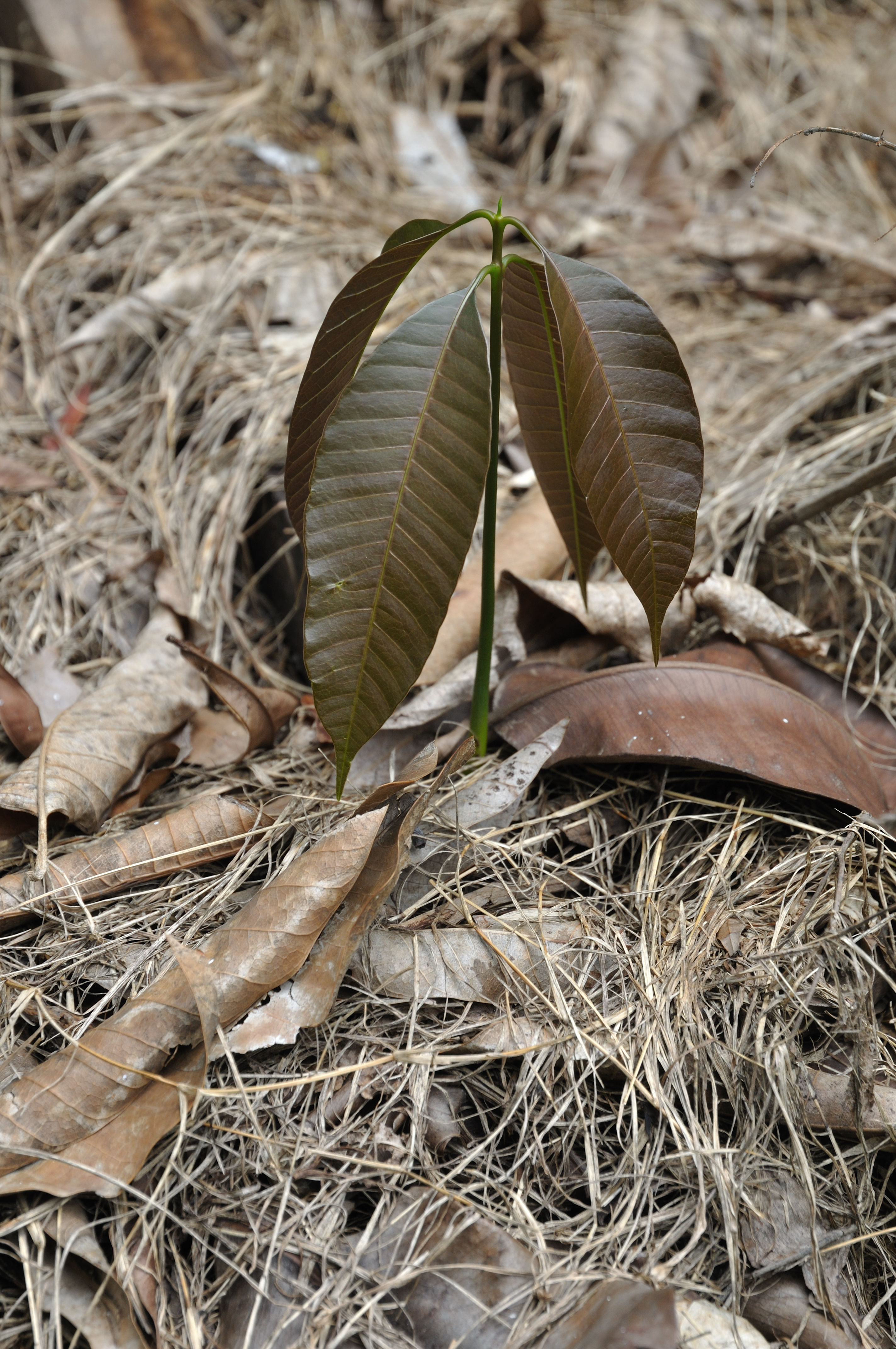
Step five is about filling gaps: when a sapling is weak, diseased or dead, a healthy one is planted in its place, so that a row or an orchard is not left with gaps. When a replacement comes from a nursery in a bag or pot, the planting itself matters. The Colorado State Forest Service warns that many tree failures result from circling roots that were not dealt with at planting, because such roots can wrap around the trunk and cut off the flow of water and nutrients. It advises looking at the root ball when the container is removed, cutting large circling roots with sharp pruners at the point where they begin to circle, making the planting hole two to three times as wide as the root ball, and setting the tree so that the point where the trunk flares into the roots sits slightly above the ground, since loosened soil settles after watering.
Step six, cutting away unwanted branches while the sapling is young, gives the tree a straight stem and a balanced frame. Steps ten and eleven carry the same idea into the years of bearing: every year after harvest, old, diseased and dead branches are removed, and the canopy is opened so that sun, light and air reach the inside of the tree.
Research supports pruning soon after harvest. In a study published in 2008 in The Indian Journal of Agricultural Sciences, G. M. Waghmare and G. D. Joshi tested light pruning of Alphonso mango trees immediately after harvest in trials run from 2003 to 2005. Shoots cut back by 2.5 cm gave a fruit yield of 4.46 tonnes per hectare and those cut back by 7.0 cm 3.94 tonnes per hectare, both higher than the unpruned trees. The aim of the trials was to regulate the flush of new shoots and induce uniform flowering. The timing also fits with FRG-2024, which places the first of the two yearly fertiliser doses just after the harvest in June and July.
Banglapedia points to how much room for improvement there is. Its article on fruit records a yield gap of 200 to 500 per cent between research stations and farmers' fields, a difference that care in planting, feeding and pruning helps to close.
Pests, diseases and where to get advice
The last step in the guide is to seek expert advice for diseases and insect pests rather than spraying by guesswork. Banglapedia's article on fruit says that more than 150 species of arthropods, insects and mites among them, have been reported attacking fruit trees in Bangladesh. Because the right treatment depends on the pest, the crop and the stage of the tree, no pesticide or dose is suggested here: growers should take a sample or a clear description to the upazila agriculture office.
The guide named three places to ask. The first is the agriculture department, the Department of Agricultural Extension (DAE) and its upazila agriculture offices. The second is a horticulture centre. According to Banglapedia, the Horticulture Development Board was set up in 1973-74 under the then Directorate of Agriculture and was merged into the DAE after the directorate was reorganised as the DAE in 1982. Banglapedia records 74 horticulture centres operating across the country, grouped by DAE region: 15 in Rangamati, 12 each in Dhaka, Rajshahi and Jessore, 6 each in Mymensingh, Barisal and Chittagong, 3 in Comilla and 2 in Rangpur. The centres provide extension services and produce planting material for farmers: grafts, gootees, saplings, cuttings, seeds, seedlings and rhizomes.
The third is the Forest Department, which runs the country's social forestry programmes and its tree-planting campaigns and can advise on timber, roadside and homestead trees as well as fruit trees.
A new rule for the 2025 season: no eucalyptus or acacia
Growers buying saplings in June 2025 faced a rule that had been in force for only a few weeks. On 15 May 2025 the Forest-1 wing of the Ministry of Environment, Forest and Climate Change issued a notification banning the planting, collection and sale of eucalyptus and akashmoni (Acacia auriculiformis) saplings, The Financial Express reported. The ministry said the aim was to protect the environment, ecosystems and biodiversity. It said the trees absorb excessive amounts of groundwater, lowering soil moisture and harming dry and seasonal climate zones, that toxins in their fallen leaves make the soil infertile for other plants, and that native plants, insects and birds find little shelter or food in them.
The notification directed government bodies, non-governmental organisations and individuals to replace these species in afforestation programmes with native fruit-bearing, timber and medicinal plants. For a household planting fruit trees that season, the choice was therefore aligned with government policy as well as with the family's own needs.
The ban did not empty the nurseries at once. The Daily Star reported on 31 May 2025 that nurseries in Nesarabad upazila of Pirojpur and Banaripara upazila of Barishal were still raising and selling the two species. The two upazilas have about 2,100 nurseries, more than 500 of them large, and nursery owners estimated that about one million acacia and eucalyptus saplings were then growing in the region's nurseries, wholesaling at about Tk 15 each. Owners told the paper that they had started raising the saplings before they knew of the ban, and that the Forest Department's social forestry programme, once the largest buyer, had stopped buying through its contractors. Local agriculture officers said awareness campaigns were under way, and the DAE's director in Barishal said the trees absorb excessive groundwater and are not friendly to birds.
Why fruit trees matter to the Bangladeshi diet
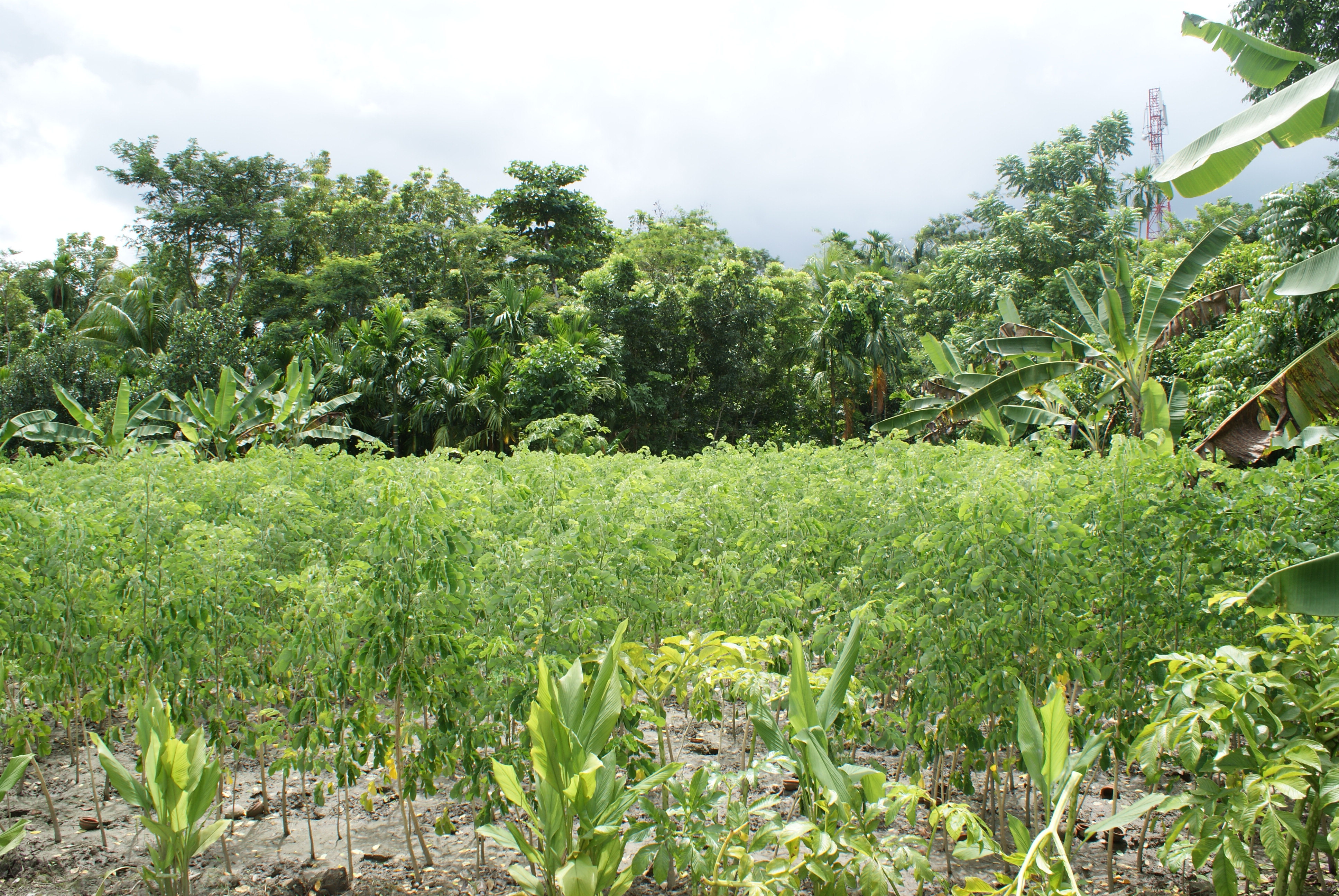
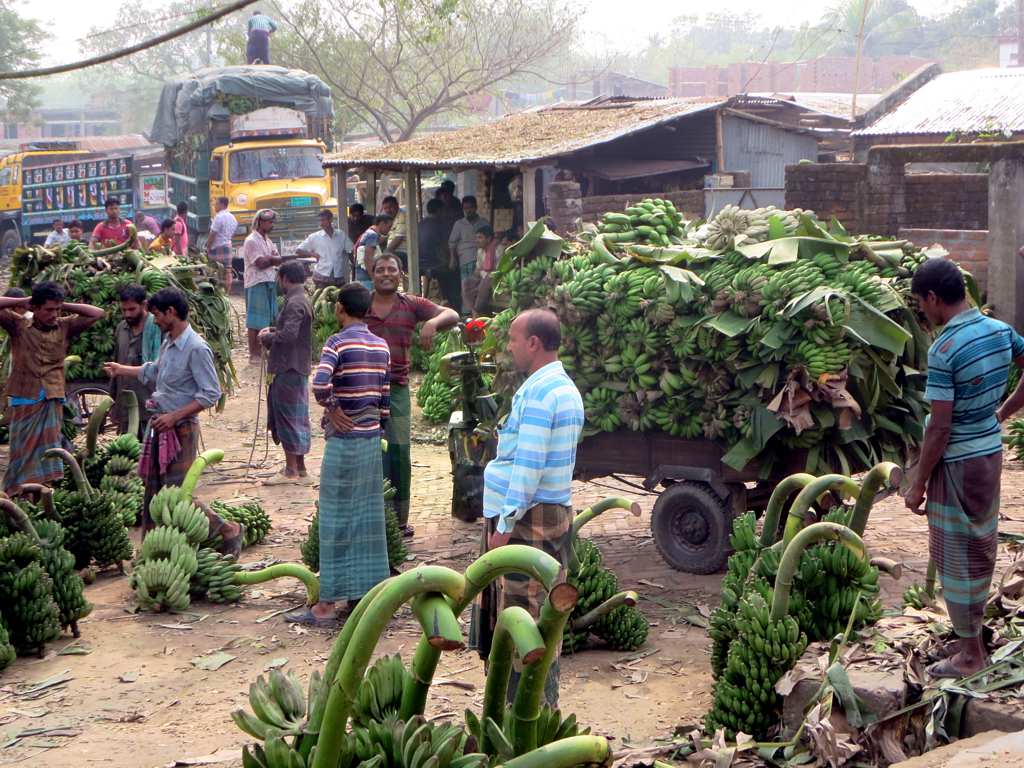
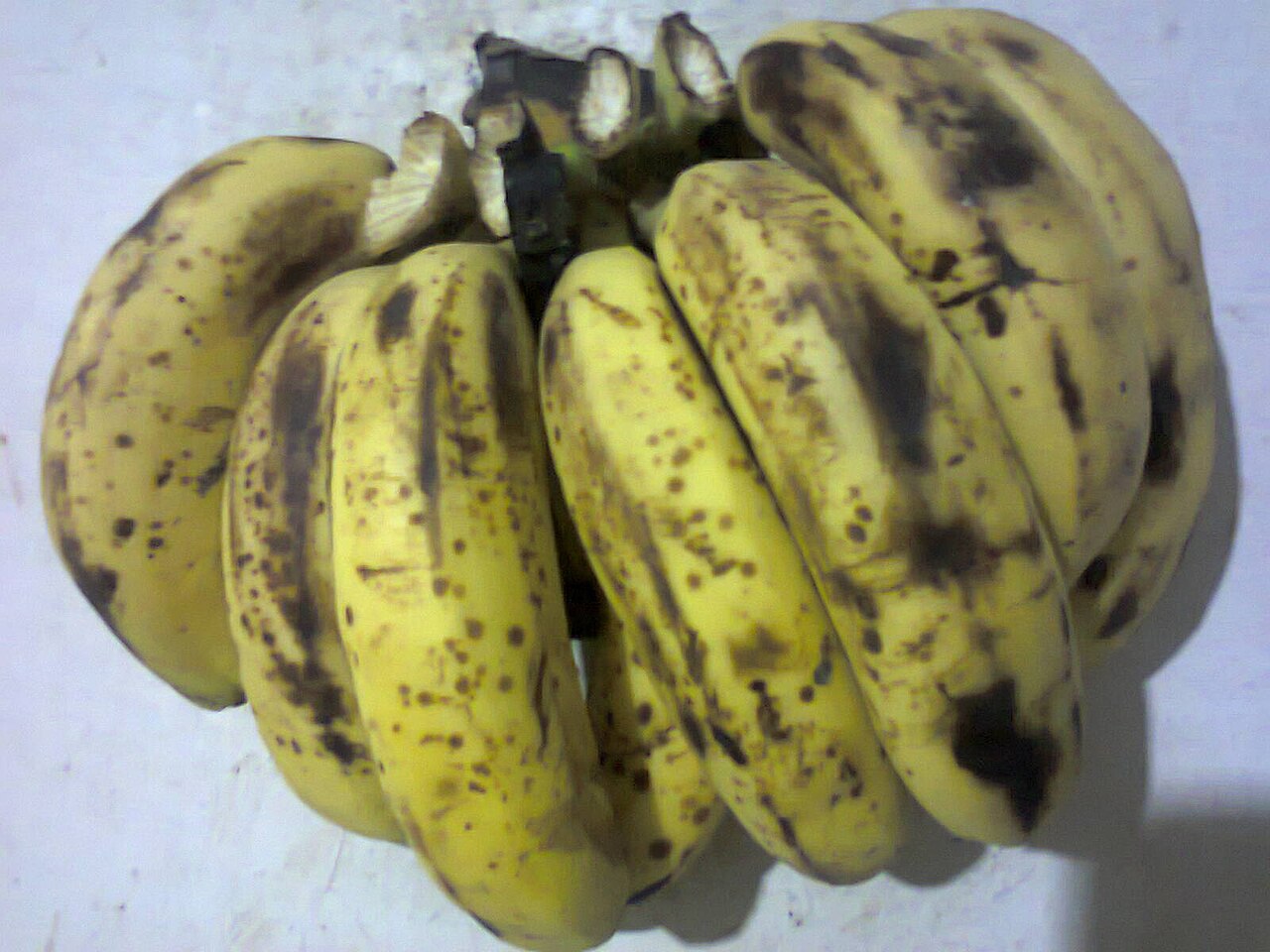
Banglapedia's article on fruit says Bangladesh grows 9 major and 48 minor fruits. Mango, jackfruit, black berry, pineapple, banana, litchi, lemon, guava and papaya are among the most widely grown, while papaya, sapodilla, coconut and banana are available all year. Traditionally, fruit trees were grown as a backyard crop or along the borders of homesteads to meet the family's own needs.
Much of the harvest is crowded into a few months. Banglapedia records that about 54 per cent of the country's fruit is harvested and marketed in Baishakh, Jaistha, Ashar and Srabon, the four Bengali months from mid-April to mid-August, with mango, jackfruit, litchi and pineapple the main fruits of that season, and the remaining 46 per cent in the other eight months. It puts the recommended intake at no less than 85 g of fruit per person per day, against actual consumption of about 35 g, and links the shortfall to widespread malnutrition. It also says that 30 to 40 per cent of fruit rots every year for want of proper preservation and processing.
On improved planting material, Banglapedia records that the Bangladesh Agricultural Research Institute (BARI) had developed 40 improved fruit varieties, Bangladesh Agricultural University 19 and Bangabandhu Sheikh Mujibur Rahman Agricultural University 2. Many of the mango, jackfruit and guava varieties for which FRG-2024 gives fertiliser figures come from these programmes. A grafted sapling of a good variety, planted in the monsoon and looked after through its first years in the way the twelve steps describe, is one of the simplest ways a household can add to that fruit supply.
Photo: Biswarup Ganguly / Wikimedia Commons (CC BY 3.0)
Sources: Jagonews24, Bangladesh Agricultural Research Council (Fertilizer Recommendation Guide 2024), Desh Rupantor (citing BBC Bangla and the Agricultural Information Service), Banglapedia, Colorado State Forest Service, The Morton Arboretum, The Indian Journal of Agricultural Sciences, The Financial Express, The Daily Star
Comments
(0)