
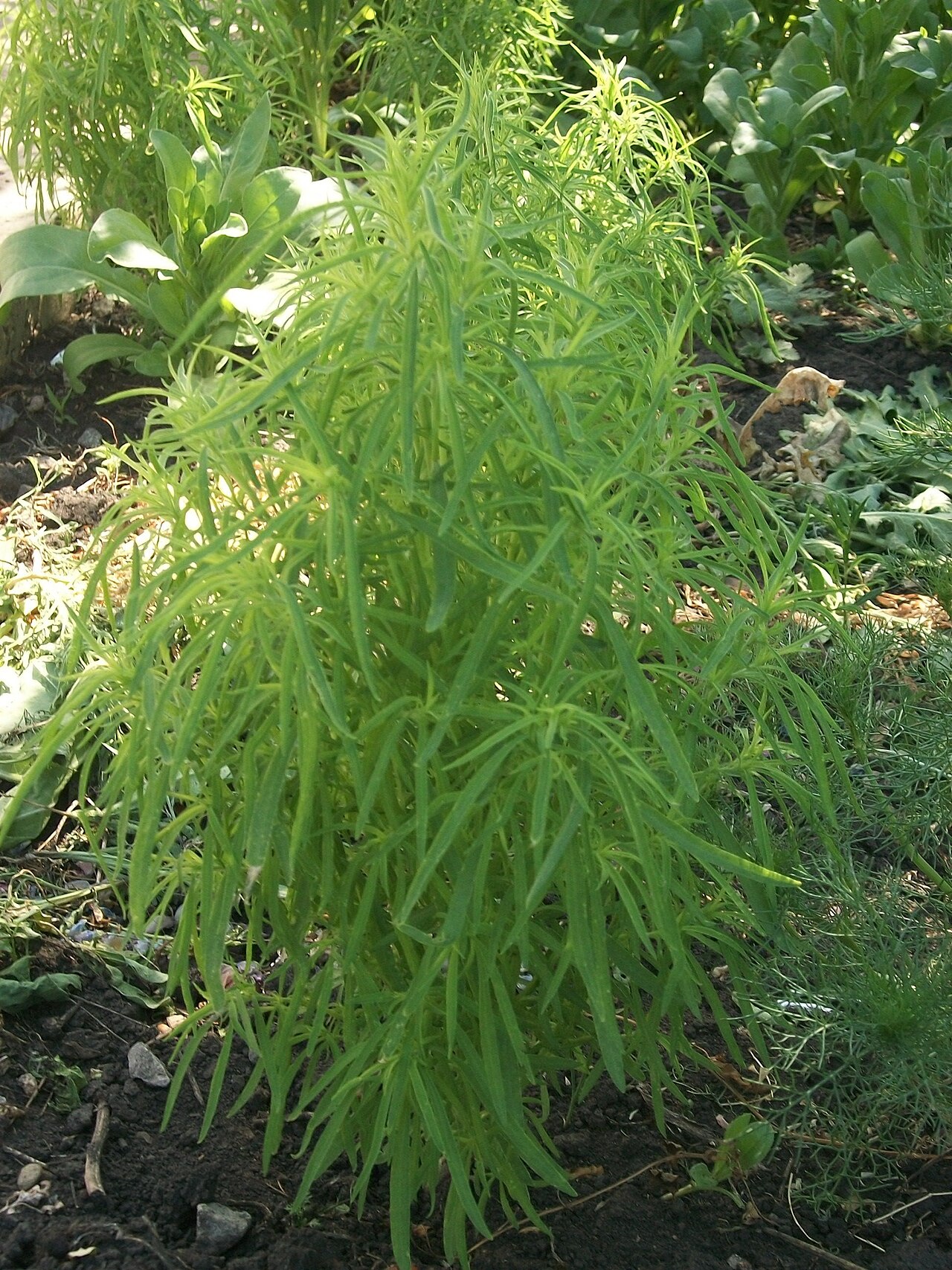
A hybrid wheatgrass bred for saline soils is out-competing kochia, one of the Prairies' most troublesome weeds, at several sites on the South East Research Farm (SERF) near Redvers, Saskatchewan.
CDC Salt King was developed by Bill Biligetu, forage breeding research chair at the University of Saskatchewan, by crossing wheatgrass genetics with quack grass and selecting for salt tolerance over successive generations from about 2009. It was registered in 2022 and is still at the foundation seed stage; Nutrien won the tender to take it to market, and Biligetu hopes growers can buy certified seed within the next couple of years.
Salinity leaves patches where little grows except weeds such as foxtail barley and kochia, and kochia is now resistant to several herbicide groups. Biligetu seeded Salt King into kochia-infested fields near Strongfield and Central Butte in 2019; when he returned in 2021, "I really didn't see any kochia," he said.
SERF and the Saskatchewan Forage Seed Development Commission (SFSDC) are now running a two-year fertility project on Salt King seed production, funded by the provincial ADOPT programme. Plots sit in established kochia zones, and nitrogen is being tested at three timings — August 2026, early spring 2027 and a split application — at the soil-test rate and 0.7 times that rate, against an untreated control.
"Something needs to go into those zones that will actually out-compete the kochia, and Salt King does," said SERF executive director Lana Shaw, whose 2022 plots are still in the grass. She sees seed harvested from problem patches as a possible new crop, and wants a feeding study on the forage's palatability for mixed farms. Jo-Anne Relf-Eckstein, executive director of SFSDC, called it a biomanagement tool "because we're not winning on the herbicide part".
Biligetu warned that seed fields must be kept free of downy brome, since a few plants can shed thousands of seeds and contaminate the wheatgrass. Relf-Eckstein said funding for forage research remains hard to find.
The report was written by Karen Briere.
Photo: WildBoar / Wikimedia Commons (Public domain)
Source: Manitoba Co-operator

Comments
(0)