
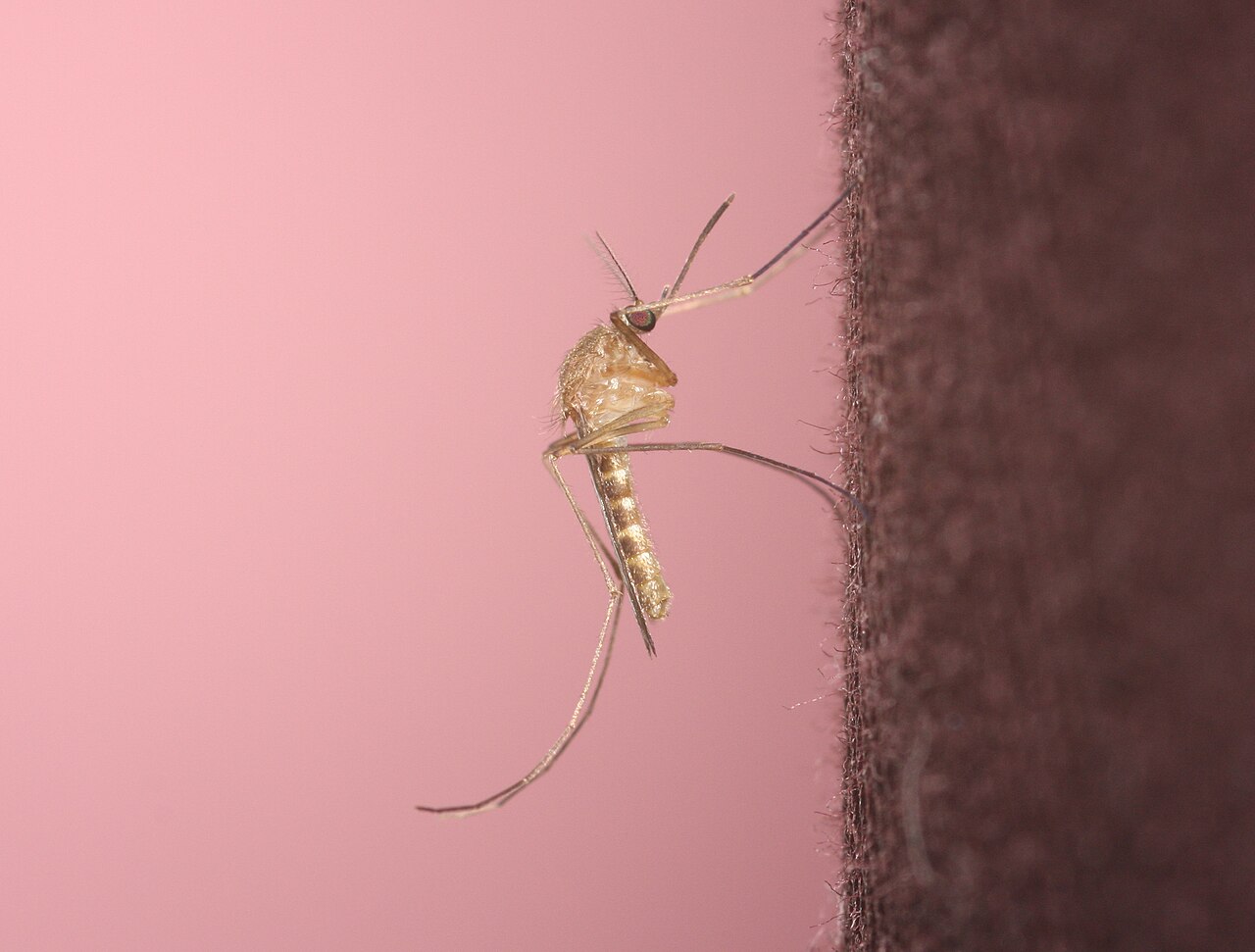
Researchers at Rutgers University have shown that mosquito excrement can reveal which viruses the insects carry, a method that could make mosquito surveillance faster and broader. "What we did, colloquially, was build a mosquito toilet," said entomologist Dana Price of the Center for Vector Biology, a lead author of the study in Microbiology Spectrum.
The device is a 3D-printed funnel coated with a water-repelling material that makes droplets slide into a collection tube. The team placed two groups of 50 wild Culex mosquitoes, collected in a New Brunswick, New Jersey, yard in 2021 and 2022, over the funnel, fed them sugar solution and sequenced all the genetic material in their waste.
The 2022 sample yielded a complete, high-quality genome of West Nile virus, of the NY07 variant known in the region. The researchers also found the first evidence in the Americas of a Hedwig-like virus, first identified in Europe in snowy owls, as well as several viruses that may be new to science, parasites, and confirmation of the mosquito species.
Conventional surveillance means collecting, sorting and grinding large numbers of mosquitoes and testing for specific pathogens, which can delay control work during an outbreak. "If you don't look for it, you won't find it," Price said. "But what if you don't know what to look for?" The study does not show that the Hedwig-like virus is a threat; Price is now screening dead birds for it with New Jersey wildlife officials.
Photo: BARILLET-PORTAL David / Wikimedia Commons (CC BY-SA 3.0)
Source: Morning Ag Clips


Comments
(0)