
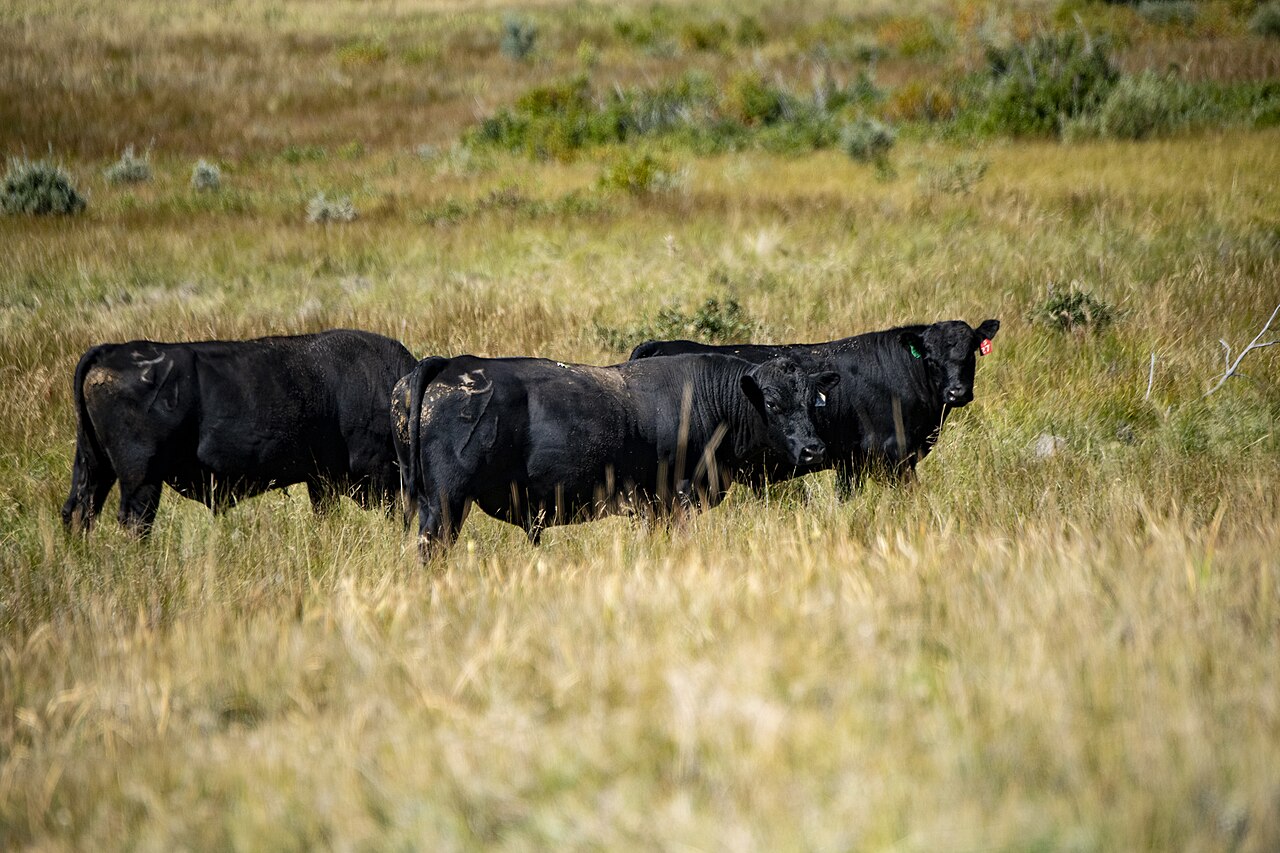
Rural veterinary practices that treat livestock have seen their revenues fall sharply, adding to the strain in areas that already lack vets, according to a study by the US Department of Agriculture's Economic Research Service (ERS). The report concludes that "rural practices are not thriving", with revenues among practices treating food animals down about 22% between 2021 and 2025.
Average revenue at rural practices devoted to livestock and mixed-animal work fell from nearly $2 million to roughly $1.5 million over those years, which the study attributes to smaller herd sizes. The annual income of rural food-animal veterinarians dropped about 19%, from roughly $160,000 to $130,000, between 2017 and 2024, while the incomes of vets who treat companion animals rose in both rural and urban areas.
The study says rural areas find it harder to recruit vets because of "economic and lifestyle factors", including remoteness and limited resources, and because urban practices focused on pets are "more financially attractive". Graduates often carry substantial student debt, which makes better-paid jobs in less isolated places more appealing. The report also links burnout among food-animal practitioners to the lost revenue.
Demand for private vets is strongest in beef cattle. Poultry and pig production is more vertically integrated, so much of the veterinary work there is "flock health" or "herd health" that can be done remotely from lab results and feed and water data. Beef cattle are mostly owned by individual farmers with smaller operations, and herds of fewer than 500 head still hold a larger share of the cattle than bigger ones.
Looking at counties designated as short of vets, ERS found a "persistent and complex mismatch" between where cattle operations are and where food-animal veterinarians work. Incentives to recruit vets are still often aimed at more populous areas, so "many remote and sparsely populated places continue to be underserved". The gaps, the report says, are concentrated in remote places with small populations, scattered farming and an ageing workforce.
The report was written up for Capital Press by Mateusz Perkowski.
Photo: USDA / Wikimedia Commons (public domain)
Source: Capital Press

Comments
(0)