
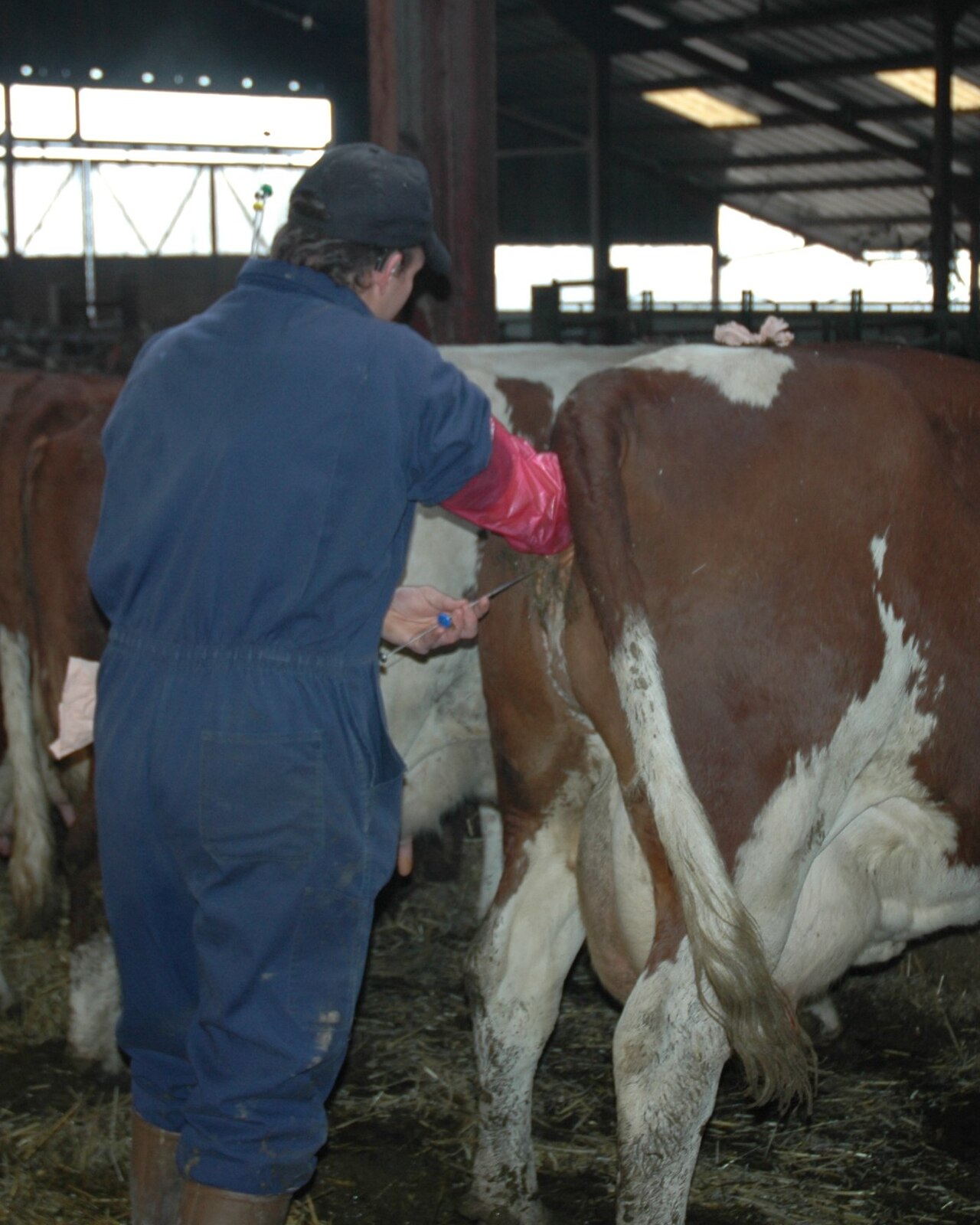
Breeding technologies that commercial and stud breeders have used for years are being taken to communal livestock farmers in KwaZulu-Natal, South Africa, by Mangosuthu University of Technology (MUT). Dr Helen Mapeka, a lecturer and livestock reproduction specialist at MUT, described the work on 7 October at the Technology & Education Hub of the 2026 Royal Agricultural Show.
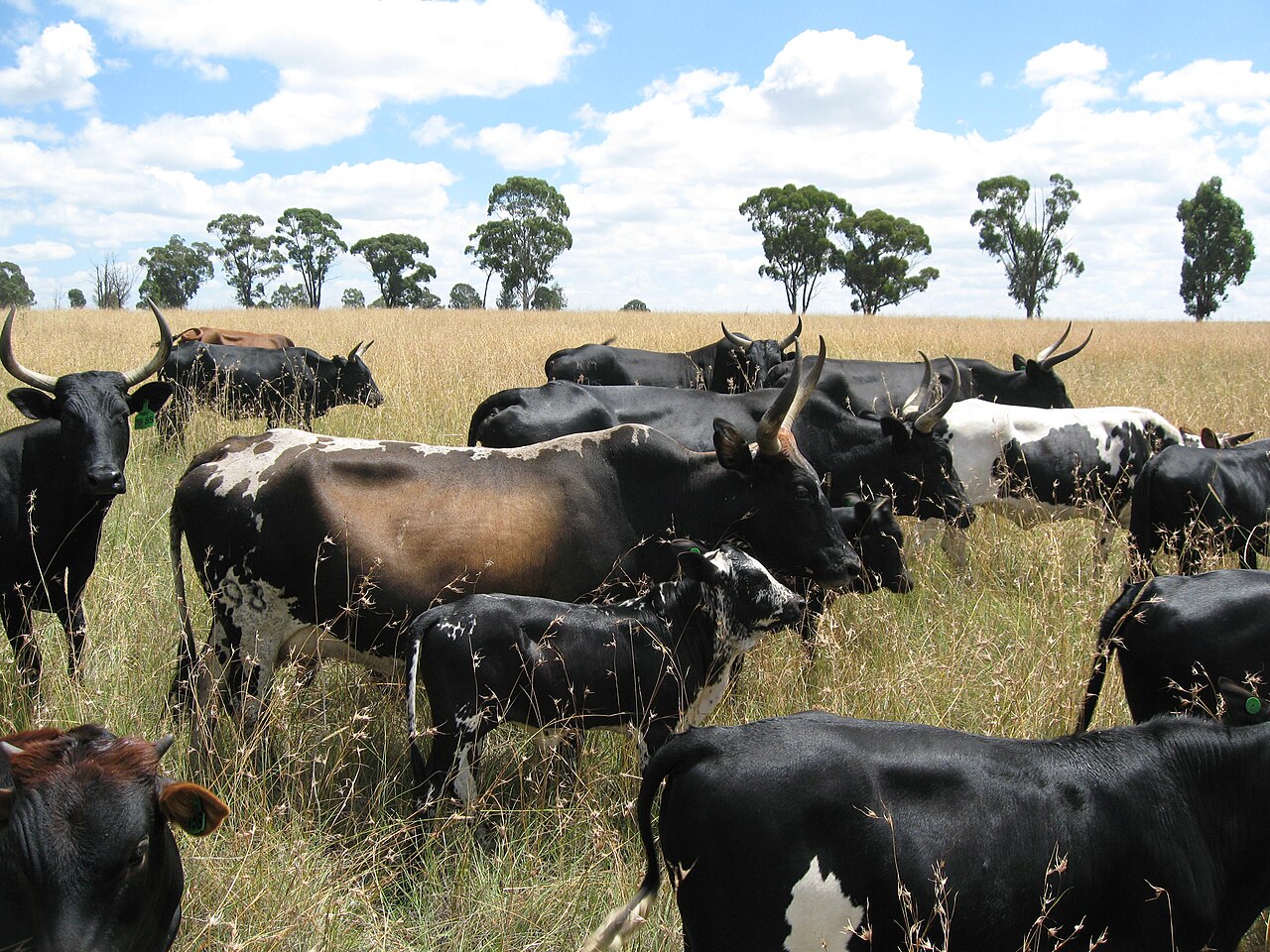
The problem, she said, is that communal farmers own large numbers of livestock, particularly in KwaZulu-Natal, yet many of the animals never reach their production potential. Poor reproductive performance, declining numbers, weak record-keeping and uneven animal quality keep these farmers out of formal livestock markets.
Assisted reproductive technologies assist or control breeding instead of leaving it to natural mating: artificial insemination, oestrus synchronisation, embryo transfer, superovulation, controlled mating and semen sexing. Artificial insemination uses semen collected and preserved from selected bulls, giving a farmer genetics that might otherwise be out of financial reach. Synchronisation uses hormonal treatment to bring cows into heat within a planned period, so that insemination can be done in a short window and calving can be more concentrated.
MUT's project, launched in August 2024 and funded through the university's Community Engagement and Development directorate, works with 33 farmers at Rietsdale, near Umzimkhulu in southern KwaZulu-Natal. It began with two weeks of training for local farmers, unemployed youth, women in agriculture and MUT animal production students. On 22 January 2025 the team examined 90 cows, ear-tagged them and diagnosed pregnancy, and synchronised 49 of them for artificial insemination, with 18 third-year students taking part. Mapeka showed photographs of calves born through artificial insemination and said one goat intervention produced a high proportion of twins and triplets.
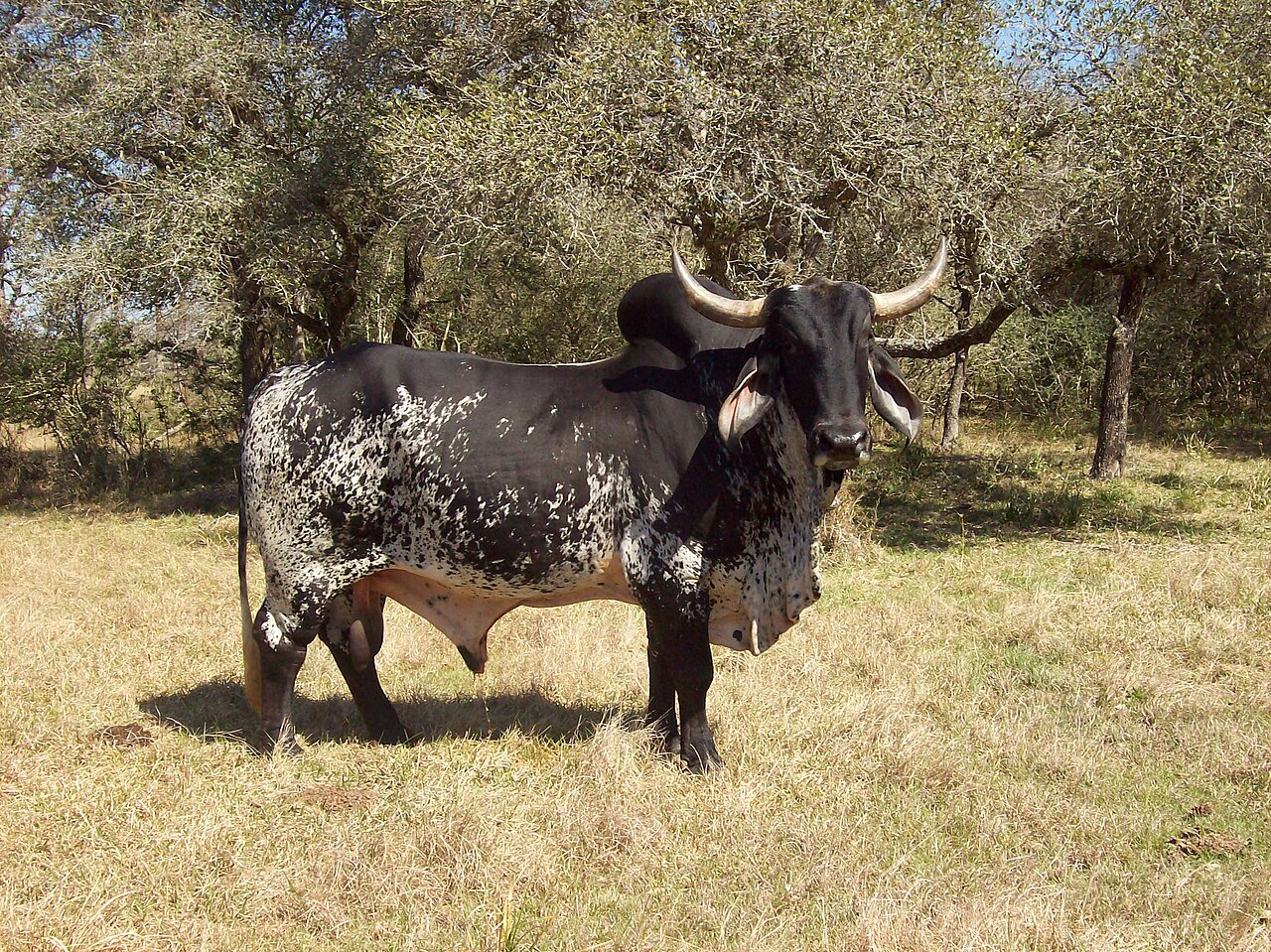
The first lesson, she said, is not the technology but the basics: identifying animals and keeping breeding records. In an illustrative example, not an actual auction result, she compared two similar Boran animals, one with full breeding and reproductive records fetching R100,000 and one without records fetching only R10,000. Buyers, she said, need more than an animal's looks to judge its breeding potential.
The university has also trained officials of the KwaZulu-Natal Department of Agriculture, including animal health staff and veterinarians, and runs short skills programmes in reproductive technologies. It helps qualifying trainees register with the Department of Agriculture as reproductive operators, a regulated role, which Mapeka said could give young people a way into self-employment.
The hub was new this year, part of the Royal Agricultural Society's 175th anniversary at the show's new home in Tweedie, held from 7 to 11 October. Its five days of short presentations covered precision livestock farming, breeding, farm security including early warning of stock theft, solar energy and electricity costs, water, soil health and mechanisation, with speakers from the Agricultural Research Council, universities, agricultural colleges and industry.
Photo: Aleks / Wikimedia Commons (CC BY-SA 3.0)
Source: Farmers Weekly South Africa (reporting by Hanlie du Plessis)

Comments
(0)