
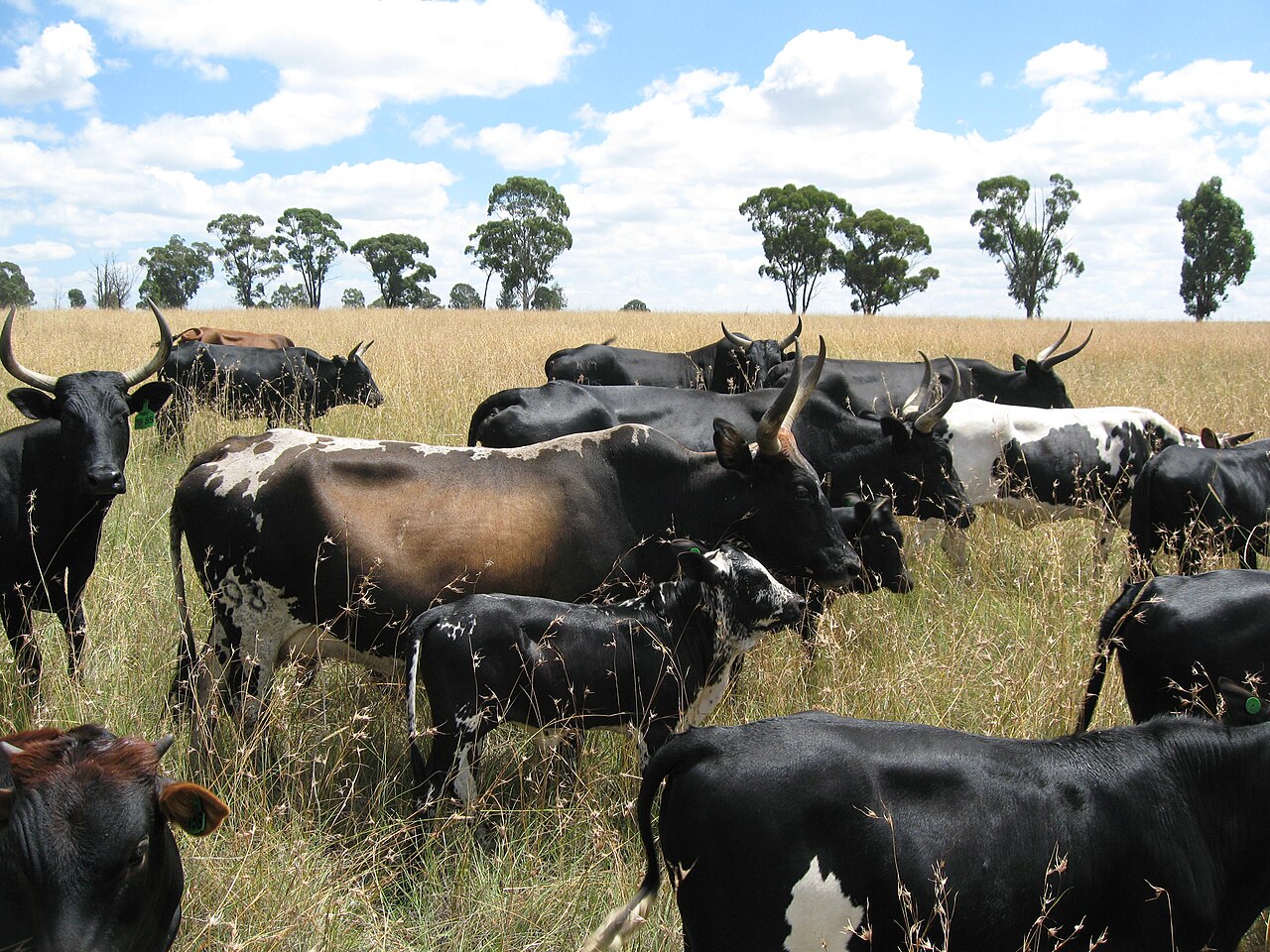
Healthy cattle depend less on medicine than on everyday management, says Gcinikhaya Xhantibe, a livestock technical adviser at South Africa's Red Meat Industry Services (RMIS). At a recent webinar on livestock growth he set out the habits he says every farmer should practise: disease detection and prevention, nutrition, vaccination, parasite control and biosecurity.
The first task is to keep disease off the farm and to notice a sick animal early enough to treat it. "We tend to focus more on medication and forget about nutrition," Xhantibe said. Animals, he said, have to be kept in good condition, and that starts with feeding.
He pointed to the eyes as a quick check. A healthy animal has bright, alert eyes that are not teary, and the eyes also show whether an animal is hydrated or dehydrated. Farmers should monitor the body condition score of their cattle as well: animals should be neither too thin nor too fat, because body condition affects fertility.
Water matters as much as feed. "The water that is available for drinking for your animals must be the water that you are willing to also drink," Xhantibe said. Clean water means the animals drink more, and when they drink more their appetite improves.
For young stock he advised deworming calves at three months from birth and vaccinating them at six months. Farmers should ask the state veterinarian or animal health technician of their area to draw up an annual vaccination programme, he said, because they know which diseases affect animals in that particular area.
Biosecurity is the first line of defence. Animals new to the farm should be quarantined for 28 days and joined with the herd only if they show no sign of illness in that time.
Last comes record-keeping. Xhantibe encourages farmers to write down, every day, everything they did with their animals, a habit he says pays off in the long run.
Photo: Justinjerez / Wikimedia Commons (CC BY-SA 3.0)
Source: Food for Mzansi (reporting by Olwam Mnyande)

Comments
(0)