
The Chemical Review Committee of the Rotterdam Convention has recommended stronger control of methyl parathion, a widely used organophosphorus insecticide, and adopted a decision guidance document to help countries decide on its import and use, Down To Earth reports. The decision was taken on 16 September at the committee's 22nd meeting, held in Rome from 15 to 18 September.
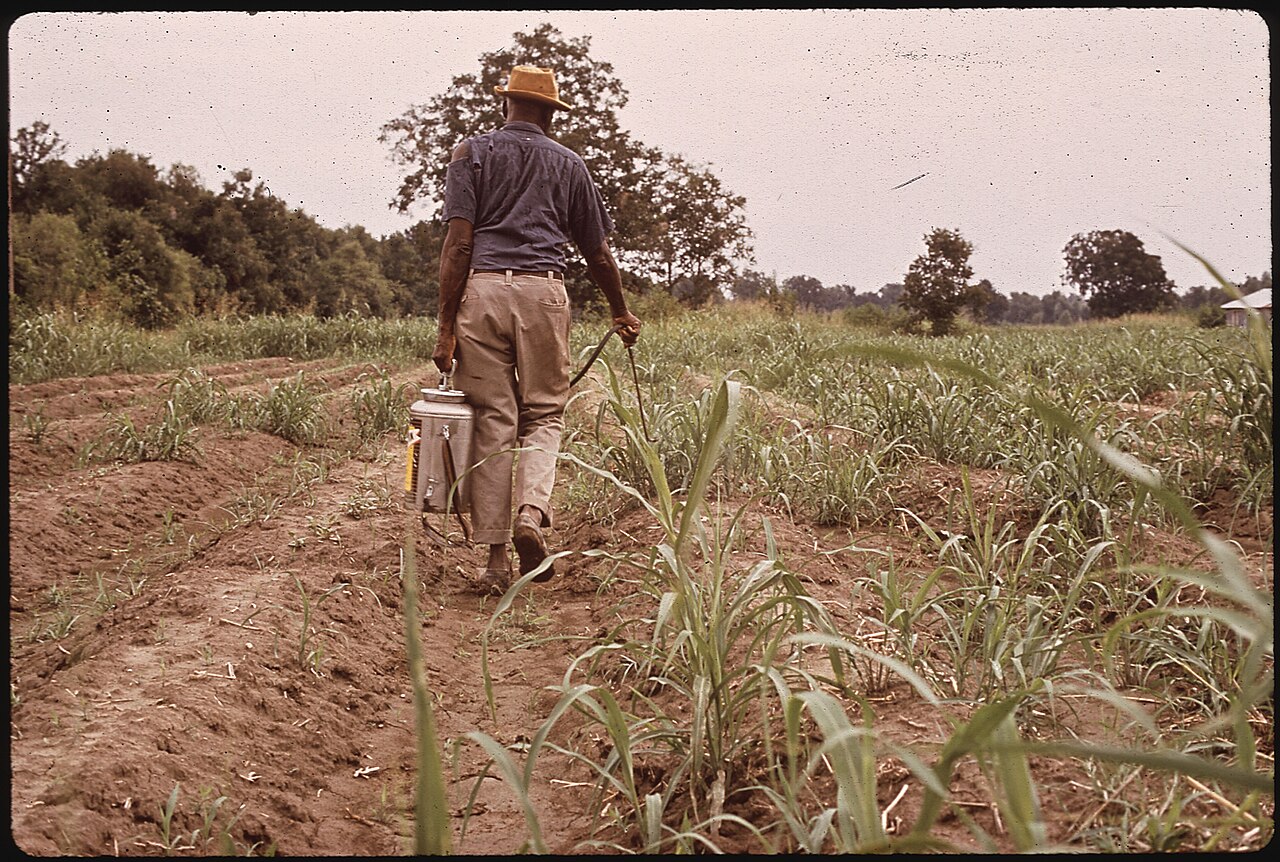
Methyl parathion is used worldwide against chewing and sucking insects on cereals, citrus and other fruit, vines, vegetables, ornamentals, cotton and field crops. It is hazardous to farm operators during mixing and spraying even when protective equipment is worn, and highly toxic to birds, honeybees and aquatic animals. The World Health Organization classifies it as extremely neurotoxic.
The guidance document draws on regulatory actions by Brazil and the European Union, both of which have banned the chemical. Brazil's health agency ANVISA banned the production, use, sale, import and export of all products containing it from 14 December 2015, with remaining stocks usable until September 2016. The EU required existing approvals to be withdrawn within six months of a 2003 decision and has allowed no new ones since.
The document now goes to the Conference of the Parties, which meets in Panama City from 19 to 30 April 2027. If approved, methyl parathion will fall under the Prior Informed Consent procedure, requiring exporting countries to give importing countries detailed risk and safety information before trade — a safeguard the committee says matters for developing countries that lack the data and staff to assess such hazards themselves.
The report was written by Kiran Pandey for Down To Earth.
Photo: John Messina / Wikimedia Commons (Public domain)
Source: Down To Earth


Comments
(0)