
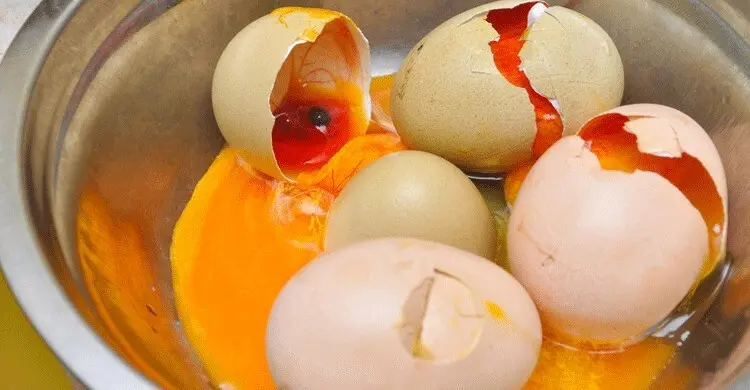
Eggs are generally known as a nutritious food, but when they go rotten or pass their expiry date we throw them away. Yet rotten eggs are not entirely useless. Although they are not fit to eat, they can be used in certain household and farming tasks, and used properly they can be a helpful material.
When eggs are kept for a long time or stored at high temperatures, the protein inside breaks down and produces sulphurous gases. This is why the egg smells, and this is what we commonly call a rotten egg. It is completely unfit to eat, but its chemical properties can be put to some uses.
Uses in the garden
Rotten eggs are most often used as organic fertiliser. The protein, calcium and phosphorus they contain help improve soil fertility. Buried in the soil, an egg slowly decomposes and releases nutrients that help plants grow. It works especially well as organic fertiliser for potted plants, vegetables and fruit trees.
The strong smell of rotten eggs keeps many kinds of insects and pests away. Using a small amount of rotten egg in particular spots in the garden may keep ants, caterpillars and some harmful insects away.
Rotten egg mixed with water can also be used along the edges of a garden to keep rats and other small animals away. This can work as a natural method of pest control, though overuse can spread a bad smell.
Some farmers follow an old practice of mixing rotten eggs with other organic waste to make compost. This gradually blends into the soil and supplies micronutrients that help crop production.
Precautions
Rotten eggs should never be handled directly. They can contain bacteria harmful to health, so wear gloves and cover your nose and mouth while working with them. They should not be kept indoors or in closed spaces, as they can spread odour and germs.
Rotten eggs are not for eating, but used properly they can be useful as organic fertiliser and in farming. Such household waste often comes in handy in eco-friendly farming and plant care. Above all, always follow precautions to avoid health risks.
The article draws on Homes & Gardens, The Spruce and other sources.
Source: Jagonews24. First published in Bengali on The Agro News.


Comments
(0)