
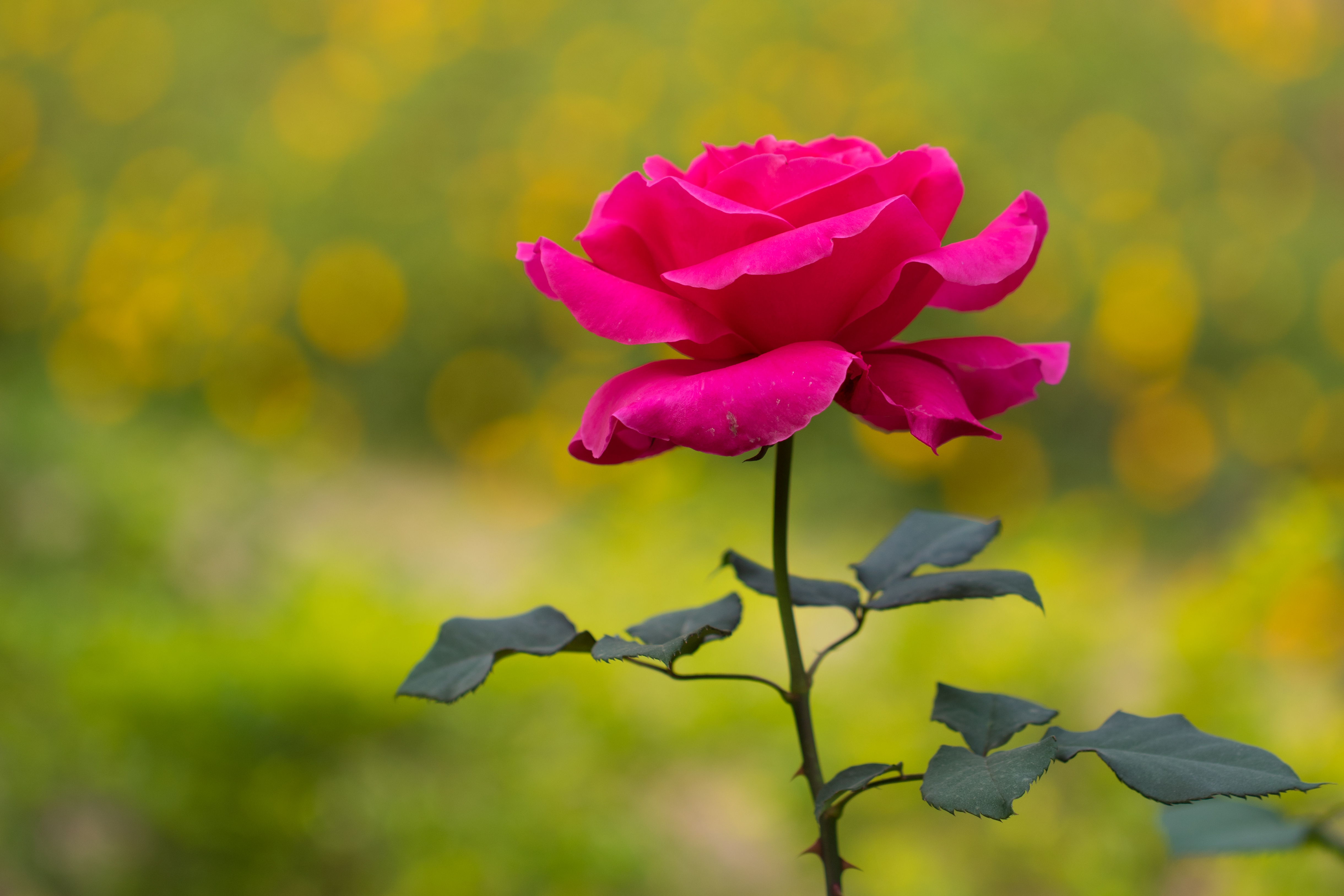
Rose petals and rose water are widely said to make the skin glow. This report, published in April 2025, looks at what research on roses actually shows and what dermatologists and health authorities advise before anything new goes on the face. In short, some rose compounds have shown useful properties in the laboratory, but reliable evidence of benefits for human skin is still limited.
The queen of flowers
According to Bangladesh's Agricultural Information Service (AIS), the rose is called the queen of flowers for its colour, scent, delicacy and beauty. It is mainly a winter flower but is now grown all year round. Roses are used above all as cut flowers, as well as at social and religious occasions, to decorate gardens and verandas, and in the attar and perfume industry.
AIS says roses are propagated from seed, cuttings, air layering and bud grafting. Seed is used only in breeding and variety improvement; budding is the main way new plants are produced for commercial cut-flower growing. In Bangladesh, October to February is the right time to plant rose seedlings.

How rose water and rose oil are made
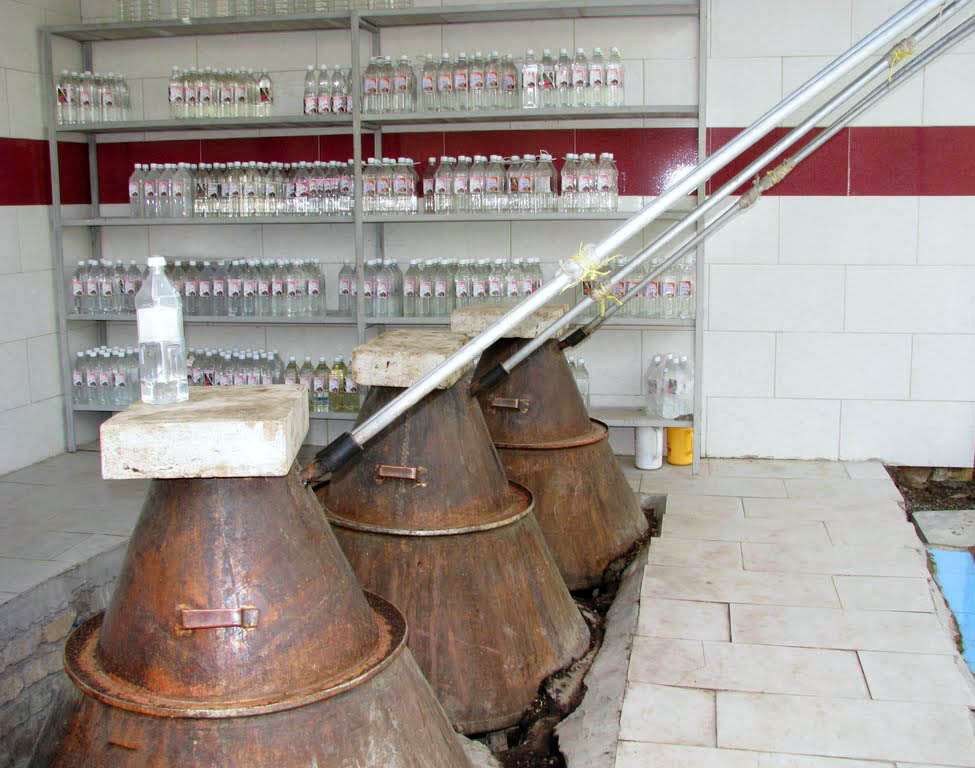
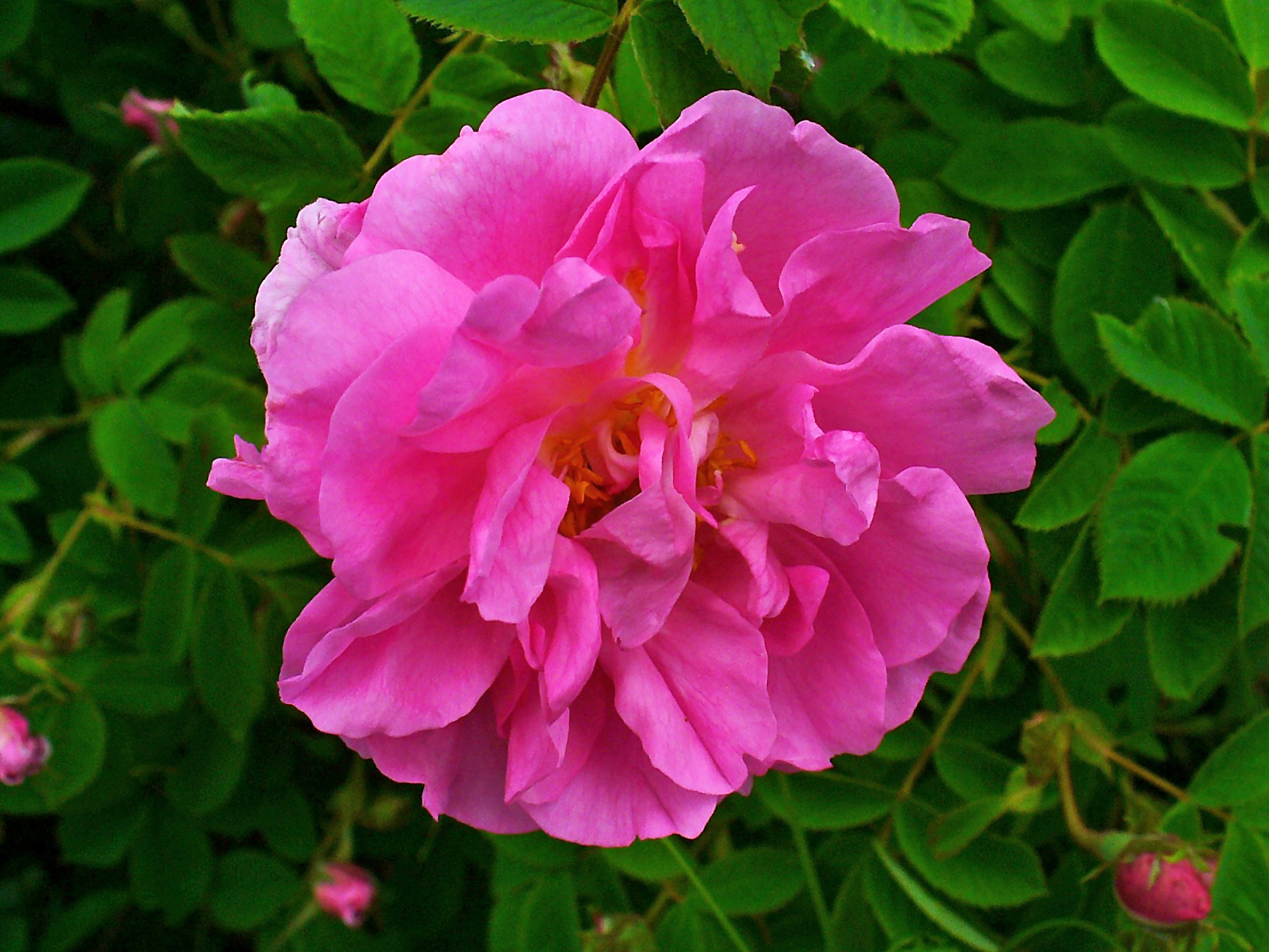
Roses belong to the genus Rosa in the family Rosaceae, which has over three hundred species. Rose oil, or attar, is obtained by steam distillation of crushed petals, and about two thousand flowers are needed for one gram of oil. Rose water is typically a by-product of distilling petals for perfume oil, made mainly from the Damask rose (Rosa × damascena). It flavours many dishes, including South Asian sweets.
A 2011 review by Boskabady and colleagues in the Iranian Journal of Basic Medical Sciences notes that the Damask rose is cultivated in Iran, especially in Kashan, to make rose water and essential oil.
What the research shows, and what it does not
The Boskabady review reports that Damask rose extracts showed antioxidant activity in laboratory tests, that its essential oil was active against bacteria such as Escherichia coli and Pseudomonas aeruginosa, and that one extract reduced swelling in rats. It also mentions the rose's traditional use for wound healing and skin health. Most of these findings, however, come from laboratory and animal studies, not from trials on human skin.
A 2017 review in the Avicenna Journal of Phytomedicine examined 13 clinical trials of rose oil with 772 participants. Its authors wrote that many animal studies exist but human studies are few. The main effects they found were physical and psychological relaxation and relief of pain and anxiety; the review included no trials on skin conditions. Claims that a rose face pack brightens skin, removes dark patches or that powdered petals cure illness are therefore not backed by reliable evidence.
Take care before using it on the skin
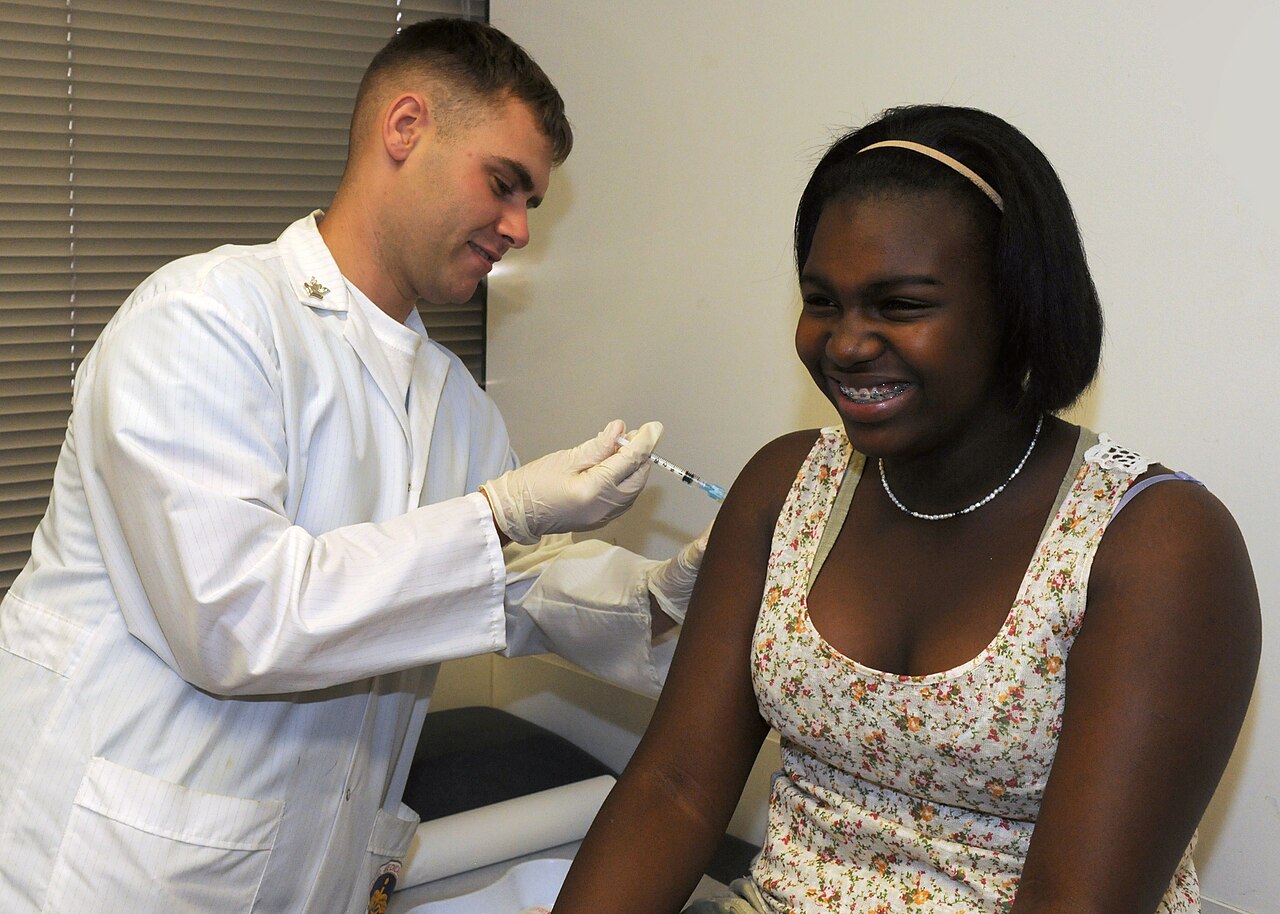
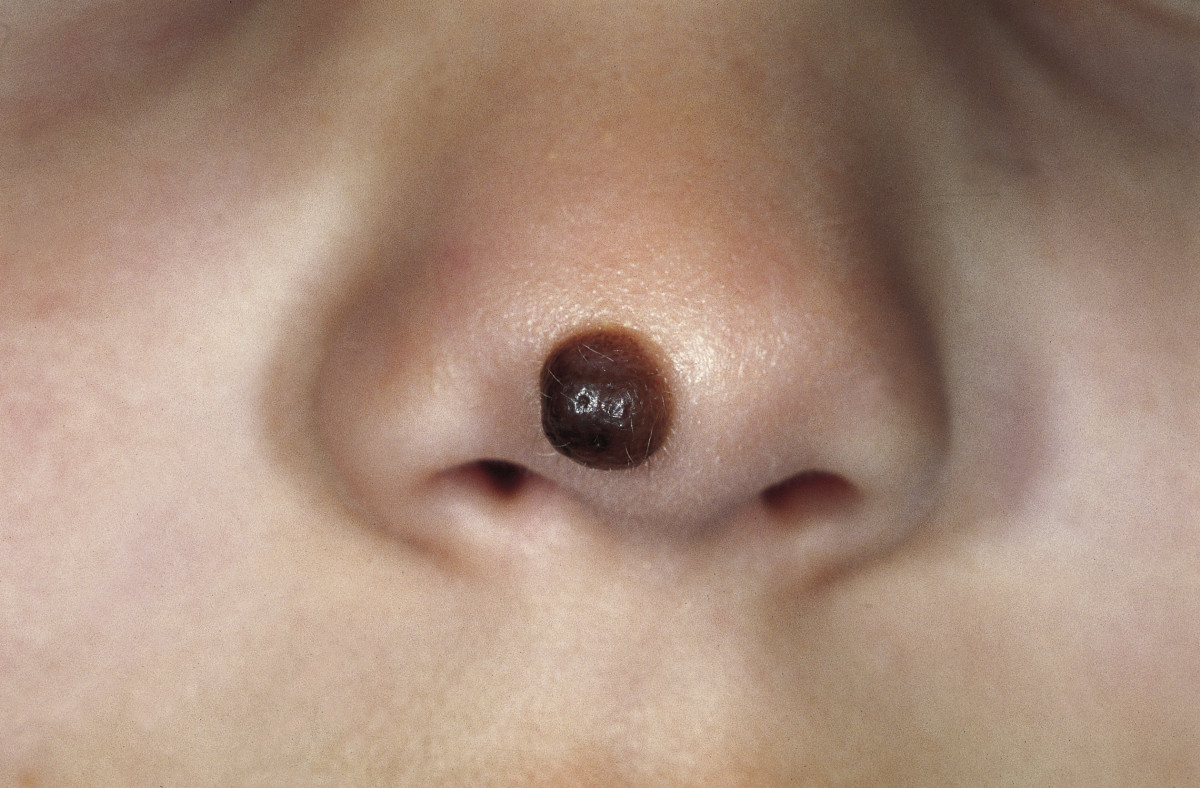
Dr Bruce A. Brod, a dermatologist with the American Academy of Dermatology (AAD), said in 2021 that more than 15,000 allergens can cause allergic contact dermatitis and that skin care products are a common cause. Even products labelled natural can trigger a reaction. The UK's National Health Service (NHS) says substances in cosmetics can cause contact dermatitis, leaving skin itchy, blistered, dry and cracked, usually within a few hours or days of exposure.
Before putting something new on the face, the AAD advises:
- Choose a small, coin-sized spot where it will not be rubbed or washed away, such as the underside of the arm or the bend of the elbow.
- Apply the amount you would normally use there twice a day for seven to 10 days.
- Use it regularly only if no redness, itching or swelling appears in that time.
- If a reaction appears, gently wash it off as soon as possible and do not use it again; see a dermatologist if the reaction is severe.
The NHS advises seeing a doctor if symptoms are persistent, recurrent or severe. For any skin problem, consult a doctor or dermatologist rather than relying on home remedies.
Photo: Azim Khan Ronnie / Wikimedia Commons (CC BY-SA 4.0)
Sources: The Agro News, Agricultural Information Service (AIS), Iranian Journal of Basic Medical Sciences (Boskabady et al., 2011), Avicenna Journal of Phytomedicine (Mohebitabar et al., 2017), American Academy of Dermatology, NHS, Wikipedia (Rose, Rose water)
Comments
(0)