
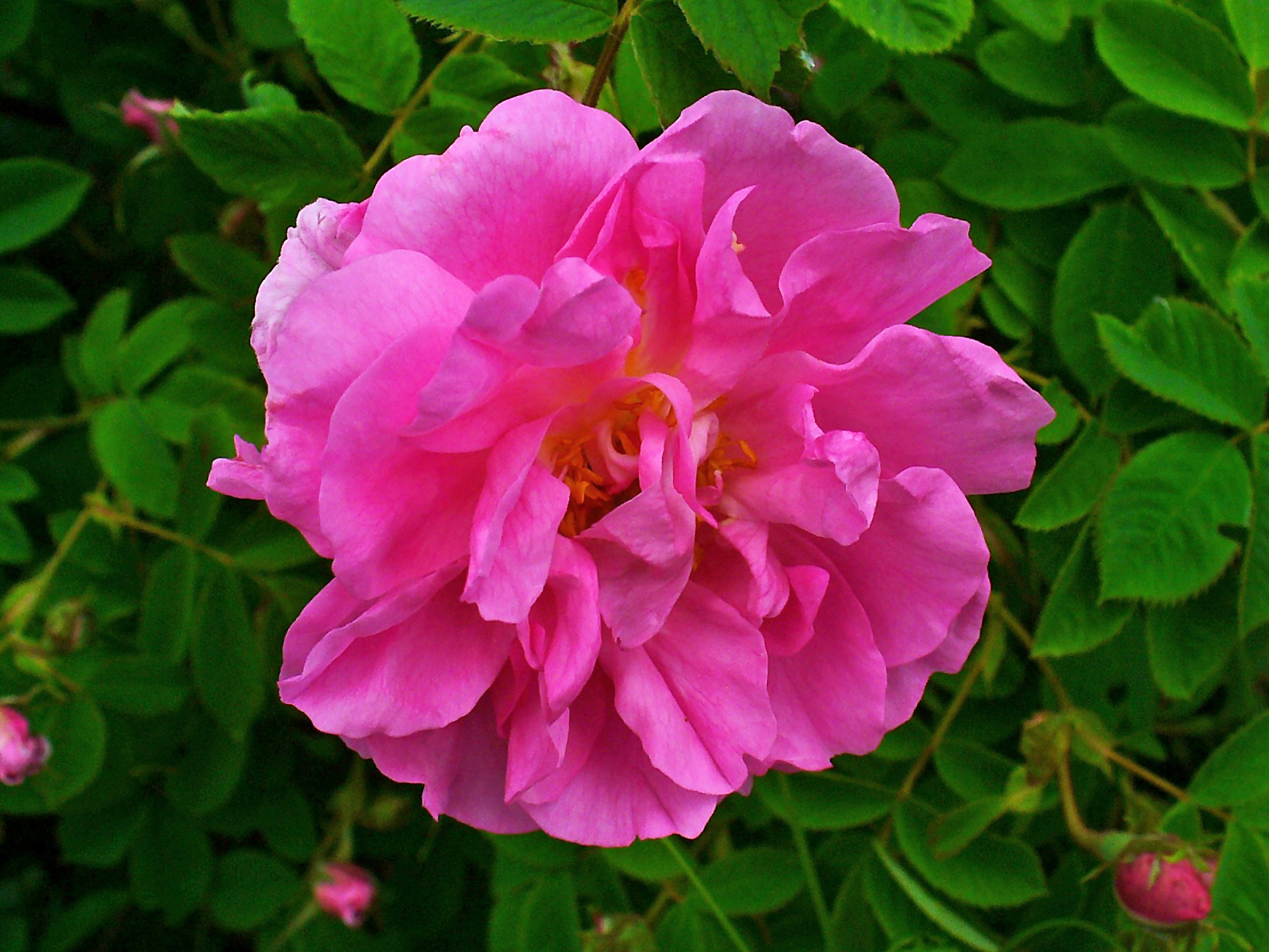
Roses have a long history in beauty care. Alongside rose water, rose oil has long been used on the skin, and a simple rose-scented oil can be made at home by steeping rose petals in olive oil. That homemade oil, however, is not the concentrated rose oil distilled in factories: it is ordinary olive oil carrying the scent of the petals. This guide explains the difference, the steps for making the home version and the precautions to take before putting it on your skin.
Where true rose oil comes from
Commercial rose oil comes mainly from the Damask rose (Rosa damascena), known in Iran as Gole Mohammadi. A 2011 review by researchers at Mashhad University of Medical Sciences, published in the Iranian Journal of Basic Medical Sciences, says the plant is grown in many parts of the world, including Iran, Europe, Bulgaria, Turkey and India, with Kashan in Iran its most famous growing area. It is cultivated mainly for the perfume, medicine and food industries.
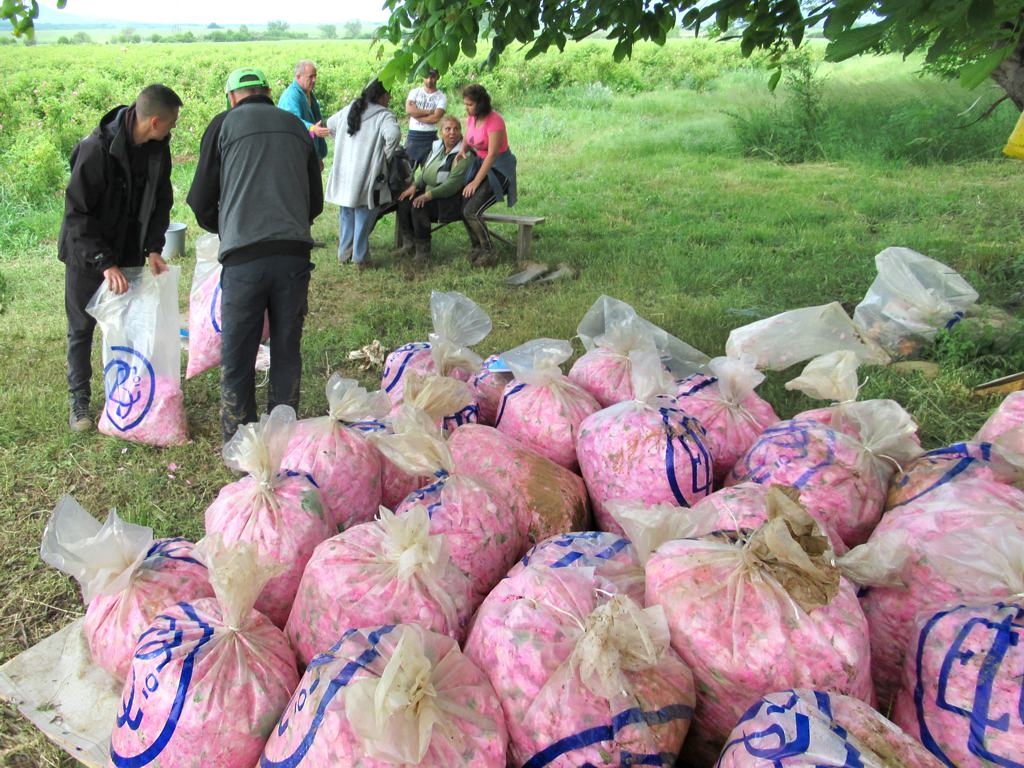
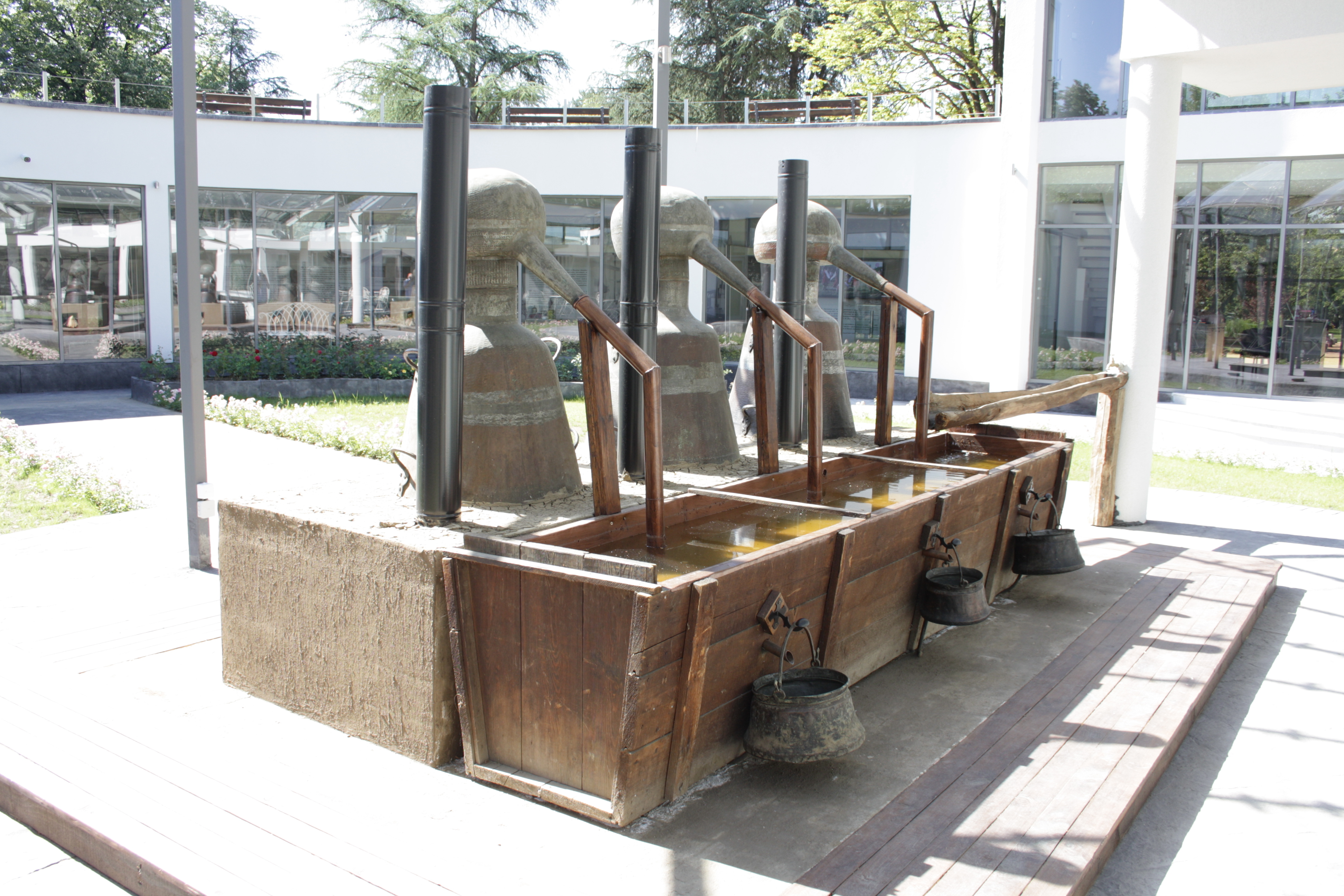
The same review describes rose oil as a volatile oil obtained by distillation, noting that some 3,000 parts of flowers yield only one part of oil. Oil produced by steam distillation is known as rose otto, while solvent extraction gives rose absolute. The Rose Valley near the town of Kazanlak in Bulgaria is among the world's major producers of attar of roses, and the city of Kannauj in India is also known for making rose attar.
What research says about the skin
The Mashhad review lists antibacterial and antioxidant properties among the Damask rose's pharmacological effects. The antibacterial results, however, come from laboratory tests, using disk, well-diffusion and microdilution methods against bacteria such as E. coli and Staphylococcus aureus. The review also mentions rose oil's traditional uses in wound healing and skin health.
Such laboratory findings do not show that a homemade rose-infused oil clears acne or prevents signs of ageing. For acne, blemishes or any other skin problem, see a dermatologist rather than treating it yourself.
Making rose-infused oil at home
- Boil a little water in a saucepan and take it off the heat.
- Put good-quality olive oil in a clean glass jar and soak crushed rose petals in it.
- Cover the jar and stand it in the pan of hot water.
- Keep the jar in warm water for 24 hours, changing the water when it cools.
- After 24 hours, strain the oil through a sieve.
- Pour the oil into a dark-coloured bottle and keep it out of the sun and away from heat.
How to use it, and the patch test
A few drops can be massaged gently into the face before bed. It can also be mixed with honey or aloe vera gel, applied to the face, left for about 20 minutes and washed off with lukewarm water.
Test it first, though. The American Academy of Dermatology (AAD) gives these steps for trying any new skin care product:
- Choose a quarter-sized spot where the product won't be rubbed or washed away, such as the underside of the arm or the bend of the elbow.
- Use the normal amount and thickness you would use, and leave it on as long as you normally would.
- Apply it to the test spot twice daily for seven to 10 days.
- If there is no reaction, such as red, itchy or swollen skin, go ahead and use the product.
- If a reaction develops, gently wash the product off as soon as possible and don't use it again.
The AAD also cautions that products labelled 'unscented' or made with plant-based botanical ingredients may still contain fragrance-related ingredients, so an oil being natural does not make it safe for every skin.
Photo: H. Zell / Wikimedia Commons (CC BY-SA 3.0)
Sources: The Agro News (Online Desk), Iranian Journal of Basic Medical Sciences (Boskabady et al., 2011), American Academy of Dermatology, Wikipedia (Rose oil)


Comments
(0)