
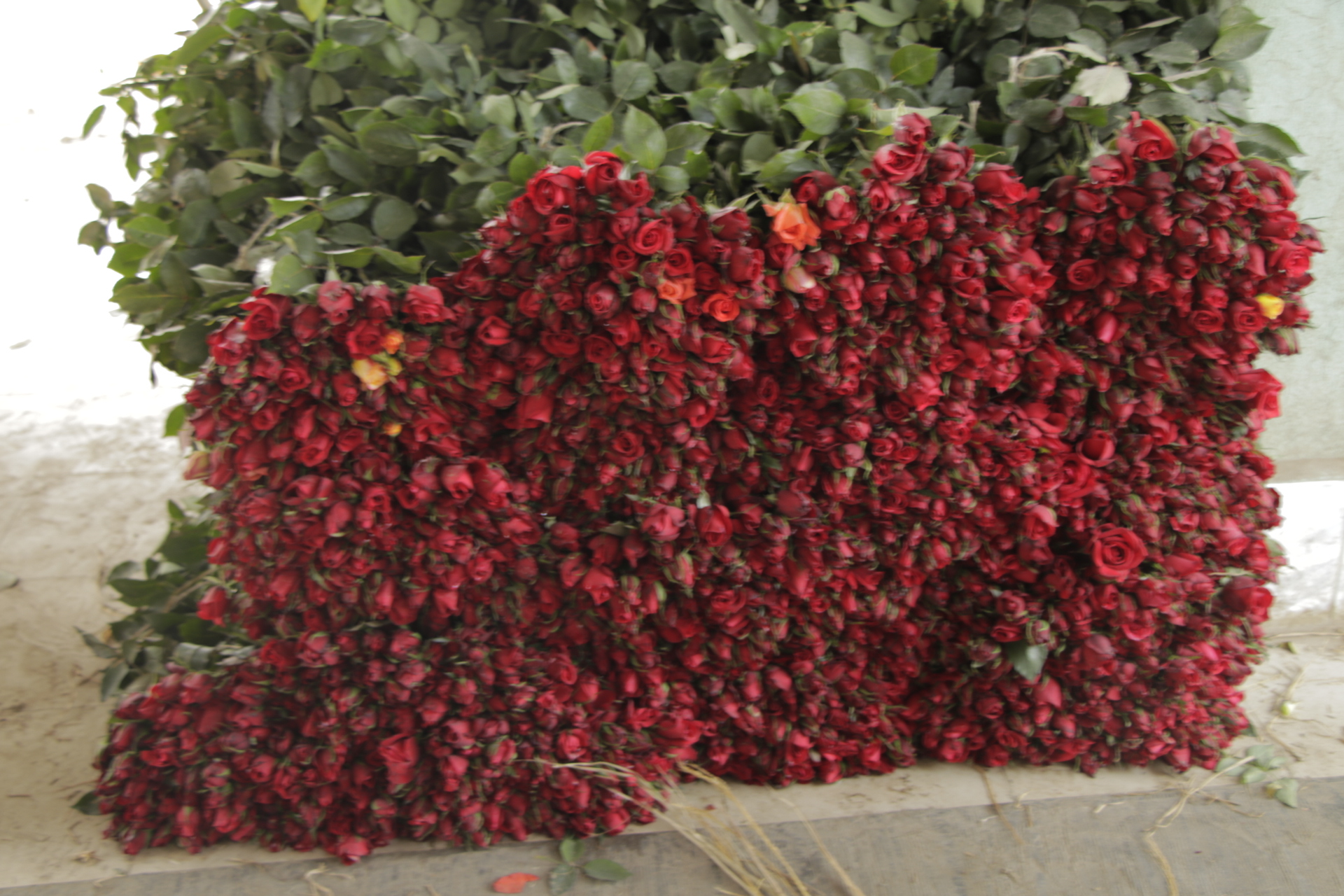
A common sight in summer is a rose bush that keeps flowering while the edges of its leaves develop brown, burn-like patches; the leaves gradually look dried out. Jagonews24 wrote about this summer problem on 31 May 2026, noting that heat is not the only cause. Horticultural guidance points to the same three culprits: harsh sun and heat, watering mistakes and too much fertiliser.
Why the leaf edges brown first
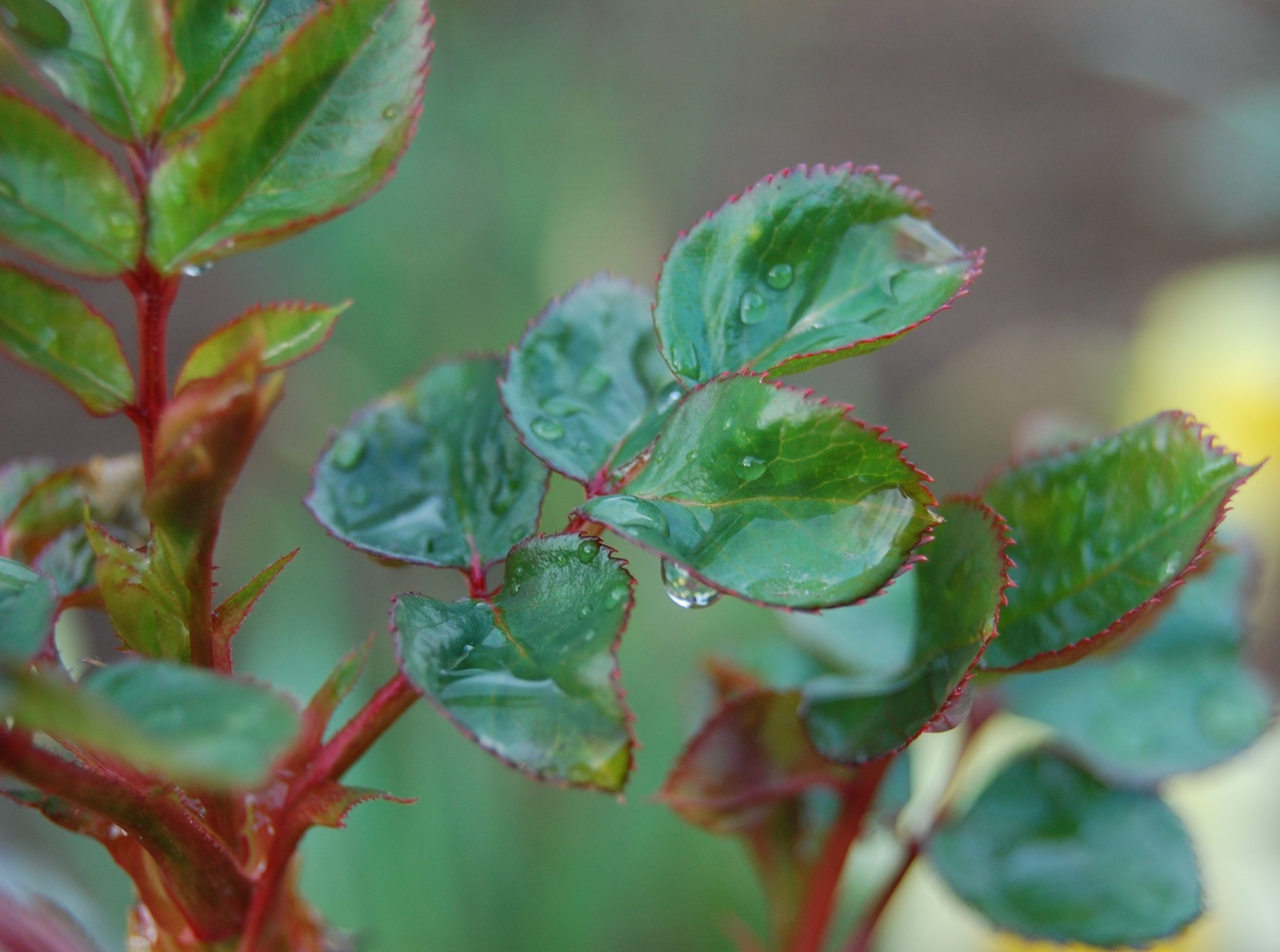
Gardeners call this leaf scorch. The Royal Horticultural Society (RHS) in the UK explains that leaves scorch when water is lost from them faster than it is replaced. The Morton Arboretum in the United States notes that the tips and edges of a leaf are the last parts to receive water from the roots, so they are the first to be damaged. Prolonged high temperatures, hot drying winds and low rainfall are the most common reasons. University of Maryland Extension likewise lists heat and drought stress, and excess fertiliser, as causes of browning leaf margins on roses.
The good news, according to the Morton Arboretum, is that scorch damage alone is not enough to kill an otherwise healthy plant. The RHS says that in most cases the plant grows out of it, but watering and feeding need particular attention after the damage.
Shade from the harshest sun, without starving the plant of light
A rose left in intense direct sun for long hours can develop burn marks on its leaves. The RHS notes that this mostly happens to plants that catch the sun all day or stand in exposed sites, and that the patches usually appear on the sunny side of the plant. On hot days it helps to protect the plant from the fierce midday sun; a potted rose can be moved into partial shade and given the softer morning and late-afternoon light.
Roses still love the sun. Clemson University's Home and Garden Information Center advises giving roses at least six to eight hours of direct sun a day, and says morning sun is especially important because it dries the leaves and helps prevent disease.
Too little or too much water both do harm
Both underwatering and overwatering cause trouble. Leaves can become spotted when water stands in the soil or when the soil dries out completely, so a pot needs proper drainage. Clemson's guidance calls for loose, well-drained, well-aerated soil with plenty of organic matter.
Roses need more water in the heat, but check that the top of the soil has dried before watering again. Horticulturists recommend:
- Water deeply rather than little and often; Clemson says frequent shallow watering keeps roots near the surface, where heat damages them, while deep watering builds a deep root system that helps the plant survive drought.
- Water in the morning and at the base of the plant, not over the leaves; University of Maryland Extension advises watering early in the day and aiming at the base to keep the foliage as dry as possible.
- Avoid wetting the leaves, especially late in the day.
- Spread about 3 inches of mulch, such as straw, dry leaves, bark or wood chips, around the base; Clemson says this conserves moisture and reduces weeds. Leave a little space clear around the stem.
Too much fertiliser burns the leaves
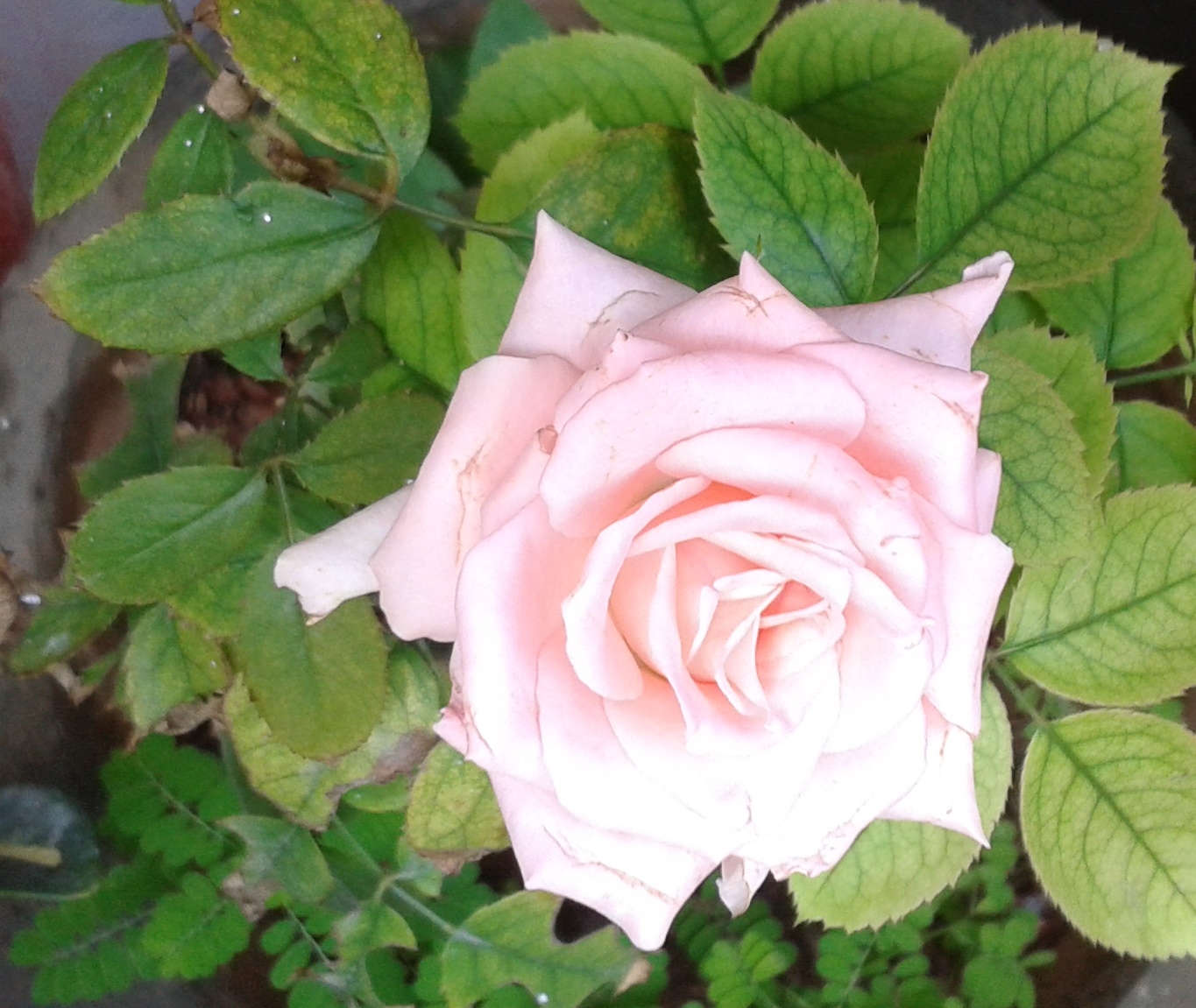
Many growers add extra fertiliser hoping for more flowers, and that can harm the plant, particularly in hot weather when it cannot take up the excess. When fertiliser in the soil becomes too concentrated, roots cannot draw in water and may even lose it; this is fertiliser burn, and the leaves turn brown and die. The Morton Arboretum also lists high concentrations of fertiliser as a cause of scorch and advises against fertilising in summer when the soil is drier.
Clemson's advice is to make sure the soil is moist before applying fertiliser and to water well afterwards, scratching the fertiliser into damp soil beneath the leaves without letting it touch the canes. Applied at the right dose and in the right way, it is less likely to leave burn marks.
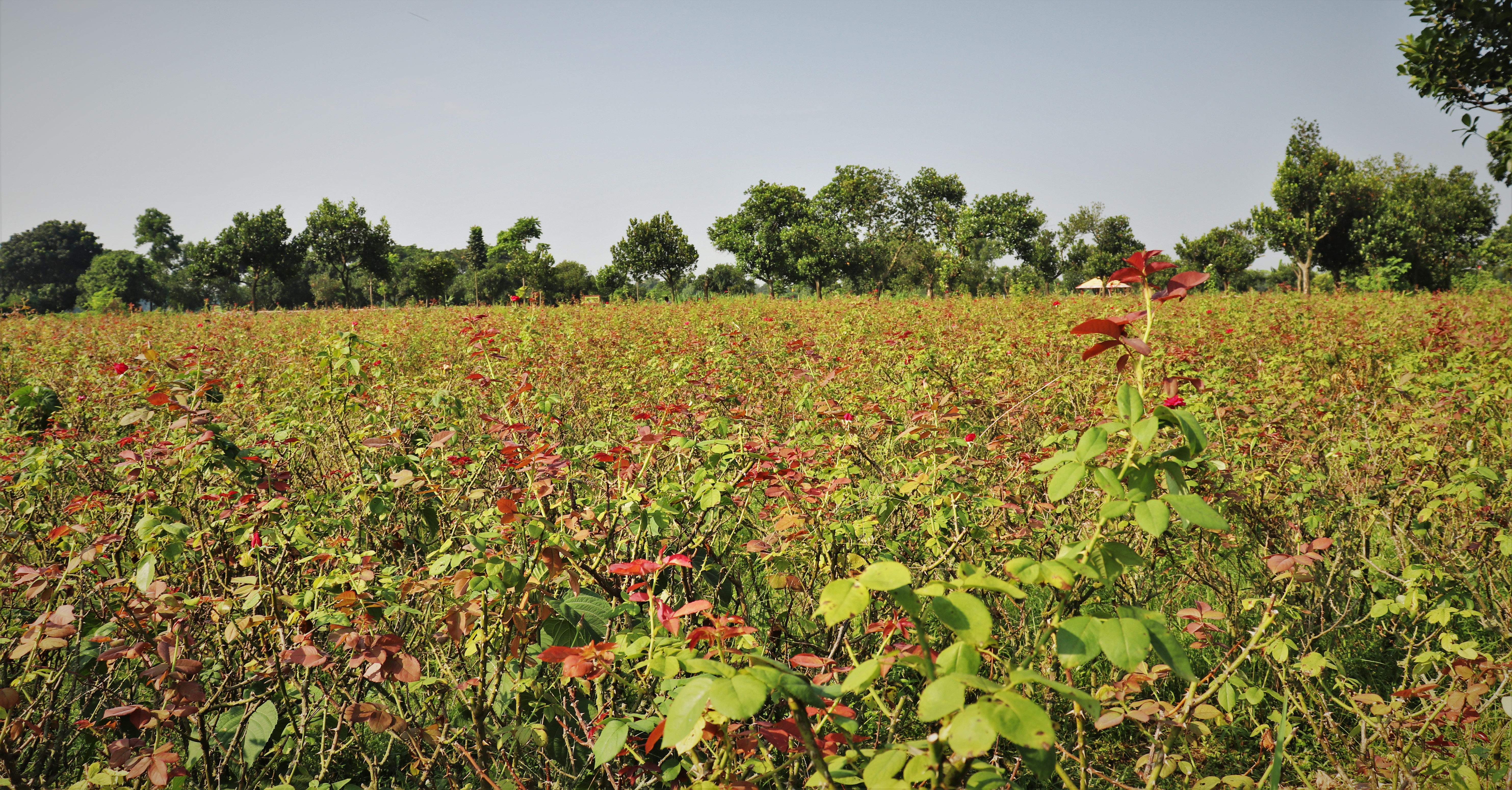
Photo: SAIDUL HASAN / Wikimedia Commons (CC BY-SA 4.0)
Sources: Jagonews24, Royal Horticultural Society (RHS), The Morton Arboretum, University of Maryland Extension, Clemson University Home and Garden Information Center, Wikipedia
Comments
(0)